white leghorn chicks for sale
Price range: $20.00 through $35.00
Start your flock with White Leghorn chicks, the industry-leading choice for exceptional egg production. Renowned for their efficiency and hardiness, these active birds grow into prolific layers of large white eggs, making them ideal for backyard keepers, small farms, and commercial operations alike.
Leghorn Chickens: Prolific White Egg Layers & Heritage Italian Beauty
Leghorn chickens are the undisputed champions of egg production—the breed that put the “egg” in breakfast tables worldwide. These stylish Italian imports, with their elegant upright carriage and prolific laying abilities, form the backbone of commercial egg industries while charming backyard keepers with their spirited personalities. Whether you know them as the inspiration for the cartoon character Foghorn Leghorn or as the reliable white egg layer in your local grocery store, Leghorns have earned their place in poultry history. At OrderExoticPoultry.com, we offer NPIP-certified, health-guaranteed leghorn chicks for sale in a stunning array of colors—from the classic pure white to the rich brown, elegant silver, and rare exchequer varieties. Read on to discover why these Mediterranean beauties might be the perfect addition to your flock.
What Are Leghorn Chickens?
Leghorn chickens are a Mediterranean breed originating from the port city of Livorno (Leghorn) in Tuscany, Italy. They were imported to America in the 1820s and refined into the prolific layers we know today. Leghorns are small, active birds weighing 4–6 pounds, characterized by their large single combs (or rose combs in some varieties), white earlobes, and yellow skin. They are renowned for laying 280–320 large white eggs annually—more than almost any other breed. Leghorns come in dozens of color varieties, with white and brown being most common.
Leghorn Varieties We Offer
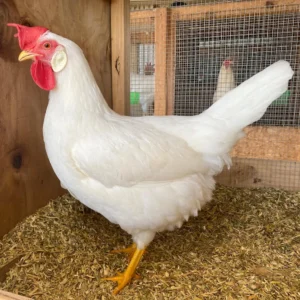
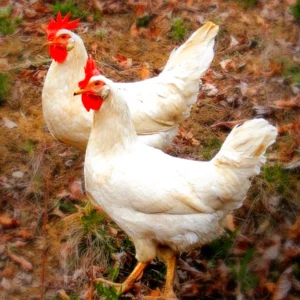
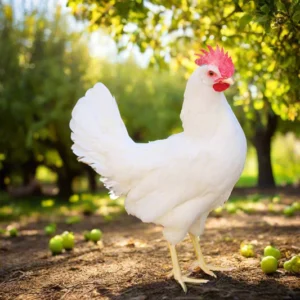
White Leghorn Chicken
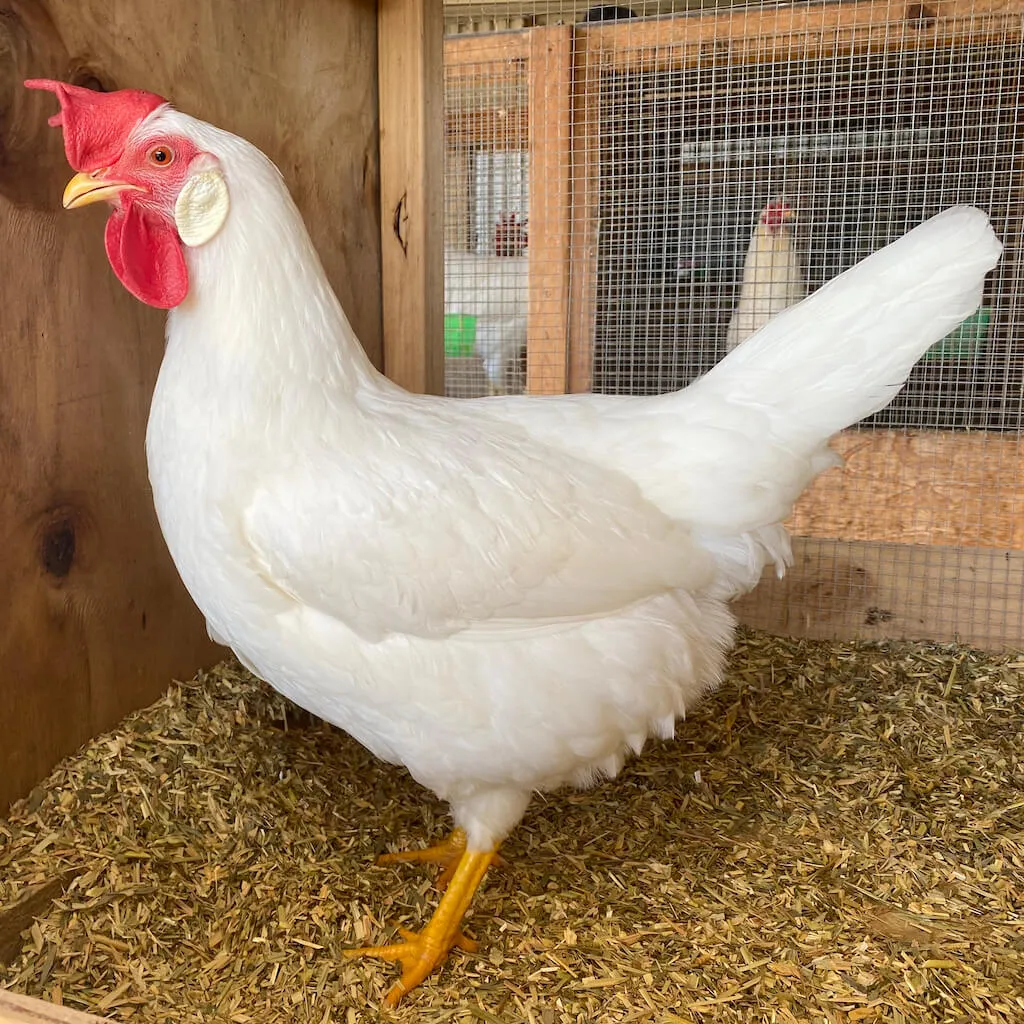
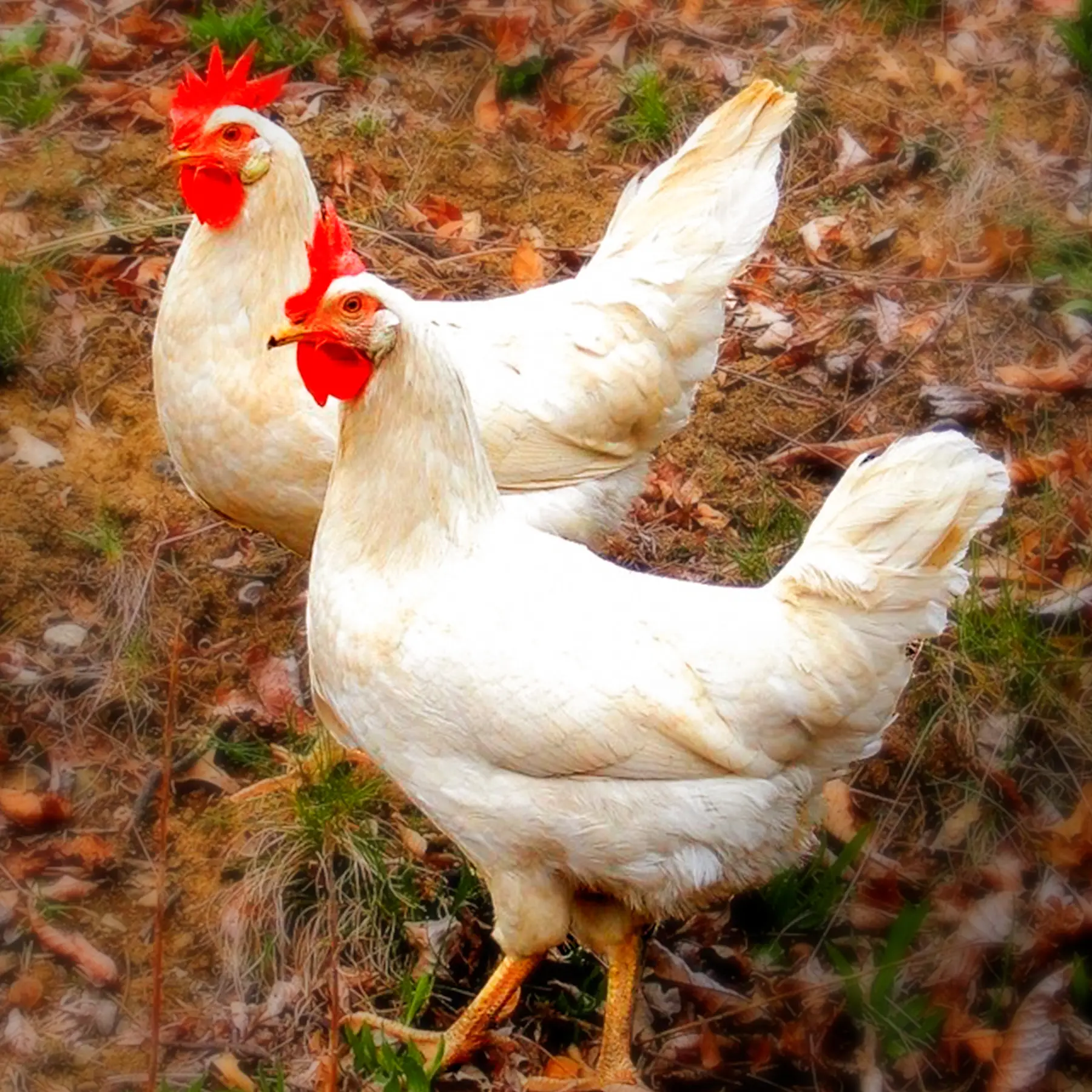
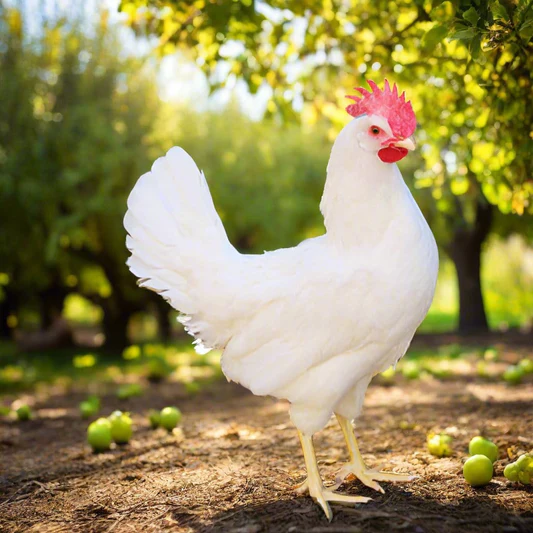
Description: The classic and most recognized variety, white leghorn chickens display pure white plumage that’s sleek and close-fitting, emphasizing their elegant, upright carriage. They have large, floppy single combs (often flopping to one side in hens), white earlobes, yellow skin and legs, and bright red wattles.
Temperament: Active, alert, and flighty. White Leghorns are not “lap chickens”—they’re independent, busy foragers who prefer to keep their distance. However, they can become tame with regular handling from chick stage. They’re excellent foragers and do well in free-range settings.
Purpose: Premier egg production—the gold standard for white eggs worldwide. Not typically raised for meat due to their small size (hens 4–5 lbs, roosters 5–6 lbs).
Egg Production: 280–320 large white eggs annually. They start laying early (4–5 months) and continue consistently through their first 2–3 years. They rarely go broody, focusing energy on egg production.
Care Requirements: Need secure housing—they’re excellent fliers and can clear 6-foot fences. Provide high-protein layer feed, clean water, and calcium supplements for strong eggshells.
Climate Adaptability: Excellent heat tolerance (Mediterranean origin); moderate cold hardiness with proper shelter. Their large single combs are prone to frostbite in extreme cold—apply petroleum jelly or consider rose comb varieties.
Buyer Suitability: Egg enthusiasts wanting maximum production; free-range setups; those who appreciate active, independent birds.
Brown Leghorn Chicken
Description: Brown leghorn chickens are stunningly beautiful—hens display soft golden-brown feathers with salmon-colored breasts and distinct penciling. Roosters are even more dramatic with black breasts, orange hackles, and long flowing tail feathers. They’re the same size and shape as whites but with warmer coloration.
Temperament: Similar to whites—active, alert, and flighty. Brown Leghorns are excellent foragers and can be somewhat wild if not handled regularly.
Purpose: Egg production plus ornamental beauty. They’re exhibition favorites due to their striking coloration.
Egg Production: 260–300 large white eggs annually—slightly less than whites but still exceptional.
Care Requirements: Same as whites—need secure fencing and frostbite protection for combs.
Climate Adaptability: Same excellent heat tolerance; moderate cold hardiness.
Buyer Suitability: Those wanting beautiful birds with top-tier production; exhibition enthusiasts; color collectors.
Silver Leghorn Chicken
Description: Silver leghorn chickens display crisp white feathers with black lacing on the hackles—a striking, high-contrast pattern that’s absolutely gorgeous. Hens have silver hackles with black centers; roosters are even more dramatic with silver-white plumage and black tails.
Temperament: Same active, flighty nature as other Leghorns—beautiful but independent.
Purpose: Exhibition excellence plus egg production. Silver Leghorns are relatively rare and highly sought-after.
Egg Production: 260–300 large white eggs annually.
Care Requirements: Same as whites; their crisp pattern shows best with good nutrition.
Climate Adaptability: Same heat tolerance; white feathers reflect heat well.
Buyer Suitability: Exhibition breeders; color collectors; those wanting something truly special.
Black Leghorn Chicken
Description: Black leghorn chickens display lustrous black plumage with a brilliant beetle-green sheen—sleek, elegant, and dramatic. They maintain all the breed characteristics: upright carriage, large combs, and prolific egg laying.
Temperament: Same active, independent nature.
Purpose: Egg production plus striking appearance. Less common than whites or browns.
Egg Production: 260–300 large white eggs annually.
Care Requirements: Same as whites; black feathers absorb heat—provide extra shade in summer.
Climate Adaptability: Excellent heat tolerance despite dark color; provide shade.
Buyer Suitability: Those wanting dramatic black birds with top production.
Buff Leghorn Chicken
Description: Buff leghorn chickens display warm golden-buff plumage throughout—a soft, uniform color that’s beautiful and relatively rare. They’re the same size and shape as other Leghorns.
Temperament: Same active nature.
Purpose: Egg production plus color variety.
Egg Production: 260–300 large white eggs annually.
Care Requirements: Same as whites.
Climate Adaptability: Buff color offers good heat reflection.
Buyer Suitability: Color collectors; those wanting warm tones.
Exchequer Leghorn Chicken
Description: Exchequer leghorn chickens are a striking variety with black and white plumage—each feather is either black or white, creating a beautiful “magpie” appearance. They’re also known as “Exchequer” or “Checker” Leghorns. This variety is rare and highly sought-after.
Temperament: Same active, flighty nature as other Leghorns.
Purpose: Exhibition excellence; rare color preservation; egg production.
Egg Production: 260–300 large white eggs annually.
Care Requirements: Same as whites.
Climate Adaptability: Same.
Buyer Suitability: Serious collectors; exhibition breeders; those wanting something truly unique.
Isabella Leghorn Chicken
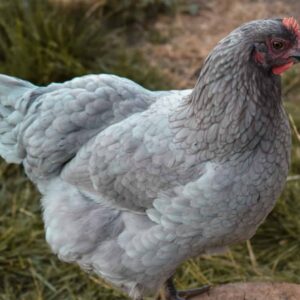
Description: Isabella leghorn chickens display the stunning Isabella coloration—a soft, diluted lavender-cream color that’s absolutely breathtaking. This is one of the rarest and most sought-after Leghorn varieties, resulting from complex color genetics.
Temperament: Same active nature.
Purpose: Ultimate collector’s item; exhibition excellence.
Egg Production: 260–300 large white eggs annually.
Care Requirements: Same as whites; their rare color warrants extra care.
Climate Adaptability: Same.
Buyer Suitability: Serious collectors willing to invest in rare genetics.
Bantam Leghorn Chicken
Description: Miniature versions of standard Leghorns, weighing 24–26 ounces for hens, 26–30 ounces for roosters. Available in all color varieties: white, brown, silver, black, buff, exchequer.
Temperament: Often slightly tamer than standards; their small size makes them excellent pets.
Purpose: Ornamental companions; small-scale egg production; exhibition.
Egg Production: 180–220 small white eggs annually.
Care Requirements: Same care principles scaled down; more vulnerable to predators.
Climate Adaptability: Good heat tolerance; need extra winter protection due to size.
Buyer Suitability: Those with limited space; families with children; collectors.
Rose Comb Leghorn Varieties
Description: Rose comb Leghorns have a low, flat rose comb instead of the large single comb. This makes them more cold-hardy and less prone to frostbite. Available in all colors.
Temperament: Same as single comb varieties.
Purpose: Ideal for cold climates; egg production; exhibition.
Egg Production: 260–300 large white eggs annually.
Care Requirements: Same; rose combs require less winter care.
Climate Adaptability: Better cold hardiness than single comb varieties—ideal for northern states.
Buyer Suitability: Northern climate keepers; those wanting frostbite protection.
Leghorn Egg Production: The Gold Standard
Annual Egg Production by Variety
| Variety | Annual Eggs | Egg Color | Start Laying | Peak Years |
|---|---|---|---|---|
| White Leghorn | 280–320 | White | 4–5 months | 1–3 |
| Brown Leghorn | 260–300 | White | 4–5 months | 1–3 |
| Silver Leghorn | 260–300 | White | 4–5 months | 1–3 |
| Black Leghorn | 260–300 | White | 4–5 months | 1–3 |
| Buff Leghorn | 260–300 | White | 4–5 months | 1–3 |
| Exchequer Leghorn | 260–300 | White | 4–5 months | 1–3 |
| Bantam Leghorn | 180–220 | White | 5–6 months | 1–3 |
Egg Production Facts
-
Leghorns hold the world record for egg production—some hens have laid over 300 eggs in 365 days
-
They lay consistently through winter with supplemental lighting
-
Eggs are large (2 oz+), white-shelled, with strong shells
-
They rarely go broody, so egg production isn’t interrupted by nesting
-
Production gradually declines after 3 years; most commercial operations replace at 2 years
Factors Affecting Egg Production
-
Light: 14–16 hours of daylight needed for maximum production
-
Nutrition: 16–18% protein layer feed with calcium supplementation
-
Stress: Predators, moves, or flock changes can reduce laying
-
Age: Peak years 1–3, then gradual decline
-
Molting: Annual molt (fall) temporarily stops laying
Leghorn Temperament: Understanding Their Independent Nature
Leghorns have a reputation for being flighty—and it’s deserved. Here’s what you need to know:
The Truth About Leghorn Personality
-
Active and Alert: They’re constantly on the move, foraging, exploring, and watching for danger
-
Independent: They don’t seek out human interaction like Orpingtons or Silkies
-
Excellent Foragers: They thrive in free-range settings, finding most of their own food
-
Not Cuddly: They’re not “lap chickens” and prefer to keep their distance
-
Can Be Tamed: Regular handling from chick stage produces friendlier birds
-
Good with Other Breeds: They integrate well but may be lower in pecking order
Managing Flighty Behavior
-
Handle Chicks Daily: Spend time with them from day one
-
Use Treats: Mealworms and scratch grains can win their trust
-
Be Patient: They may never be cuddly, but they can become comfortable with your presence
-
Provide Enrichment: They need space to forage and explore
-
Secure Housing: Their flightiness means they’ll try to escape—secure runs are essential
Leghorns vs. Other Breeds: Temperament Comparison
| Breed | Friendliness | Handling | Foraging | Flight Risk |
|---|---|---|---|---|
| Leghorn | Low | Tolerate | Excellent | High |
| Rhode Island Red | Moderate | Good | Good | Moderate |
| Orpington | High | Excellent | Moderate | Low |
| Australorp | High | Good | Good | Low |
| Silkie | High | Excellent | Poor | Very Low |
Leghorn Chicken Size & Appearance
Standard Leghorn Weights
| Age | Hen | Rooster |
|---|---|---|
| Day-old | 1 oz | 1 oz |
| 8 weeks | 1.5–2 lbs | 2–2.5 lbs |
| 16 weeks | 3–4 lbs | 4–5 lbs |
| Mature | 4–5 lbs | 5–6 lbs |
Physical Characteristics
-
Body: Sleek, muscular, upright carriage
-
Comb: Large single comb (hens’ combs often flop to one side) or rose comb in some varieties
-
Earlobes: White (indicating white eggs)
-
Skin: Yellow
-
Legs: Yellow, clean (no feathers)
-
Plumage: Close-fitting, sleek
Recognized Varieties (APA)
-
Single Comb: White, Brown, Black, Buff, Silver, Red, Black-Tailed Red, Columbian
-
Rose Comb: White, Brown, Buff, Dark Brown, Light Brown, Silver
Foghorn Leghorn: The Cartoon Character
Fun Fact: The beloved cartoon character Foghorn Leghorn was inspired by the Leghorn breed—specifically a large, loud rooster. Created by Warner Bros. in the 1940s, Foghorn Leghorn appeared in over 30 cartoons, known for his Southern drawl, larger-than-life personality, and catchphrases like “I say, I say, boy!”
Why a Leghorn? Leghorn roosters are indeed large, loud, and confident—perfect cartoon material. While real Leghorns aren’t quite as bombastic as their cartoon counterpart, they share the same upright stance and commanding presence.
Fun Fact for Kids: Foghorn Leghorn’s constant rival was a chicken hawk named Henery Hawk—adding to the breed’s pop culture legacy!
Leghorn vs. Other Popular Breeds
| Breed | Eggs/Year | Egg Color | Weight | Temperament | Cold Hardiness |
|---|---|---|---|---|---|
| Leghorn | 280–320 | White | 4–6 lbs | Flighty | Moderate |
| Rhode Island Red | 200–250 | Brown | 6–8 lbs | Docile | Good |
| Australorp | 250–300 | Brown | 6–8 lbs | Docile | Excellent |
| Plymouth Rock | 200–250 | Brown | 6–8 lbs | Docile | Good |
| Orpington | 180–220 | Brown | 7–10 lbs | Very Docile | Excellent |
| Sussex | 200–250 | Brown | 6–8 lbs | Docile | Good |
Winner: Leghorns for egg production; other breeds for temperament and cold hardiness.
Why Choose OrderExoticPoultry.com
Health Guarantees
Every Leghorn chicken ships with our comprehensive 48-hour health guarantee. We personally inspect each bird before shipping and stand behind their condition upon arrival.
NPIP Compliance
Our breeding facilities maintain active National Poultry Improvement Plan certification (NPIP #XX-XXXX), ensuring your birds come from pullorum-typhoid clean stock. We provide official documentation with every shipment.
Rare Color Varieties
We offer the widest selection of Leghorn colors available—white, brown, silver, black, buff, exchequer, and Isabella, plus rose comb varieties and bantams.
Ethical Breeding Standards
We maintain separate breeding programs for each color variety, preserving genetic integrity and selecting for both production and temperament.
Live Arrival Guarantee
We guarantee live delivery of all poultry shipments to all 50 states. Our shipping team coordinates with USPS, UPS, and specialized carriers to minimize transit time and maximize comfort.
U.S. Shipping Expertise
With thousands of successful shipments across all climates, we understand the logistics of safe poultry transport. We monitor weather patterns nationwide and delay shipments when conditions threaten bird safety.
Transparency & Trust Signals
-
Open farm visits by appointment
-
Verified customer reviews
-
Third-party health certifications
-
Detailed breeding records and lineage documentation
-
Member of American Poultry Association
-
Active participant in heritage breed conservation
Shipping & Delivery Across the U.S.
Safe Transport Methods
All Leghorn chicks ship in USDA-approved ventilated containers designed specifically for live poultry transport. Day-old chicks receive hydrated gel packs for moisture during transit; started birds ship in divided compartments preventing injury. We include heat packs in cold weather and cooling elements in summer.
What Customers Receive
-
Healthy, inspected Leghorns matching your exact color order
-
NPIP certification documentation with flock ID
-
Detailed feeding and care transition instructions
-
Breed information card with characteristics
-
Egg production expectation guide
-
Contact information for post-arrival support
-
Discount code for future orders
Timeline Expectations
-
Day-old chicks: Ship Monday–Wednesday via priority mail; arrive within 2–3 days
-
Started pullets (8–16 weeks): Scheduled shipments based on weather; typically 1–3 day transit
-
Adult birds and breeding pairs: Custom shipping; 1–2 day express delivery
-
Hatching eggs: Weekly shipments with tracking and insurance
Buyer Reassurance
We monitor weather conditions nationwide and delay shipments when temperatures threaten bird safety. Our shipping team contacts every buyer with tracking information and arrival preparation instructions.
Leghorn Care Guide
Housing Requirements
Space Needs:
-
Standard Leghorns: 3–4 square feet per bird inside coop, 8–10 square feet per bird in runs
-
Bantam Leghorns: 2–3 square feet per bird inside, 6–8 square feet per bird in runs
-
For 6 standard Leghorns: 18–24 sq ft coop, 48–60 sq ft run minimum
Flight Control:
Leghorns are excellent fliers—they can easily clear 6-foot fences. To keep them contained:
-
Covered runs: Netting or solid roofing prevents escape
-
Clipping wings: Trim primary feathers on one wing
-
Higher fencing: 6–8 foot fences with angled tops
-
Training: Raise from chicks and train to return to coop at night
Coop Specifications:
-
Roosting bars: 8–10 inches per bird; provide several heights
-
Nest boxes: One per 4–5 hens; 12×12×12 inches
-
Ventilation: Good airflow prevents respiratory issues
-
Bedding: Pine shavings, hemp, or straw
Frostbite Protection:
Single comb Leghorns are prone to frostbite. Protect them by:
-
Applying petroleum jelly to combs in extreme cold
-
Providing draft-free but ventilated housing
-
Using deep litter method for warmth
-
Considering rose comb varieties for northern climates
Feeding Protocol
Age-Appropriate Nutrition:
| Age | Feed Type | Protein % | Notes |
|---|---|---|---|
| 0–8 weeks | Chick starter | 20–22% | Crumbles; medicated optional |
| 8–20 weeks | Grower feed | 16–18% | Transition gradually |
| 20+ weeks | Layer feed | 16% | Pellets or crumbles; calcium for shells |
| All ages | Grit | Free-choice | For digestion |
| Layers only | Oyster shell | Free-choice | Separate from feed |
High-Production Nutrition:
-
Leghorns need consistent, high-quality feed to sustain 300+ eggs/year
-
Provide free-choice calcium (oyster shell) for strong eggshells
-
Ensure clean, fresh water at all times—they drink more than average
-
Supplemental protein during molt (20–22%)
Supplemental Foods:
-
Greens: Kale, lettuce, spinach, chopped forage
-
Vegetables: Pumpkin, squash, carrots
-
Protein: Black soldier fly larvae, mealworms (treats only)
-
Scratch grains: Limited (10% of diet) to prevent obesity
Health Management
Common Health Issues:
-
External parasites: Mites, lice—check under wings regularly
-
Internal parasites: Worms—regular deworming program
-
Respiratory infections: Watch for sneezing, wheezing—good ventilation helps
-
Frostbite: Combs and wattles susceptible in winter
-
Egg binding: Rare but possible in high-production hens
Preventive Care:
-
Weekly health inspections
-
Clean coop monthly with deep clean quarterly
-
Dust bath areas (diatomaceous earth mixed with sand/soil)
-
Quarantine new birds 30 days
-
Provide shade and ventilation in summer
Signs of Healthy Leghorns:
-
Bright, alert eyes
-
Clean, glossy feathers
-
Active foraging behavior
-
Regular egg production
-
Clear nostrils
-
Good appetite
Breeding Management
Selecting Breeding Stock:
-
Choose birds with correct color for variety
-
Select for production (from high-laying lines)
-
Prioritize health and vigor
-
Avoid overly flighty individuals
Breeding Ratios:
-
Standard: 1 rooster per 10–12 hens
-
Their active nature means good fertility with proper ratios
Incubation Guidelines:
-
Fertility check: 7–10 days after introducing rooster
-
Collect eggs daily, store pointed-end down at 55–60°F
-
Incubation period: 21 days
-
Temperature: 99.5°F (forced air)
-
Humidity: 45–50% days 1–18, 65–70% days 19–21
-
Turn eggs 3–5 times daily through day 18
Chick Identification:
-
White Leghorn chicks: Yellow with some grayish shading
-
Brown Leghorn chicks: Dark stripes on lighter background
-
Silver Leghorn chicks: Light with distinct patterning
-
Sexing possible by 6–8 weeks via comb development
FAQ Section: Leghorn Chickens
General Questions
Q: What is a leghorn chicken?
A: A Leghorn chicken is a Mediterranean breed originating from Livorno, Italy, known for exceptional egg production (280–320 large white eggs annually). They’re small, active birds weighing 4–6 pounds, with large single combs and white earlobes. They come in many colors including white, brown, silver, and black.
Q: How many eggs do leghorn chickens lay?
A: Leghorn hens lay 280–320 large white eggs annually—among the highest of any breed. White Leghorns are the most prolific, averaging 300+ eggs per year in their prime. They start laying at 4–5 months and maintain high production for 2–3 years.
Q: What color eggs do leghorn chickens lay?
A: All Leghorn varieties lay white eggs. Despite their name, Brown Leghorns lay white eggs—the “brown” refers to their plumage color, not egg color. Their white earlobes indicate white egg production.
Q: How long do leghorn chickens live?
A: With proper care, Leghorn chickens live 5–8 years on average. Peak egg production occurs in years 1–3, after which laying gradually declines. They can live longer in backyard settings with good care.
Q: Are leghorn chickens friendly?
A: Leghorns are active, independent, and flighty—not typically “friendly” in the cuddly sense. They prefer to keep their distance and are excellent foragers. With regular handling from chick stage, they can become tame enough to tolerate human interaction.
Q: What is the difference between white and brown leghorns?
A: White Leghorns have pure white plumage; Brown Leghorns have golden-brown feathers with salmon breasts in hens and dramatic black/orange plumage in roosters. Both lay white eggs, though White Leghorns are slightly more prolific (280–320 vs. 260–300 eggs/year).
Q: Are leghorn chickens cold hardy?
A: Leghorns have moderate cold hardiness. Their large single combs are prone to frostbite in extreme cold. Rose comb varieties handle cold better. Provide draft-free housing, petroleum jelly on combs, and consider cold climate management for northern winters.
Q: Do leghorn chickens go broody?
A: Rarely. Leghorns have been selected for egg production, not broodiness. They rarely stop laying to set eggs, making them excellent for consistent egg production but poor mothers for hatching.
Care & Management
Q: What do leghorn chickens eat?
A: Feed age-appropriate complete poultry feeds: chick starter (0–8 weeks, 20–22% protein), grower (8–20 weeks, 16–18%), layer feed (20+ weeks, 16% with calcium). Supplement with greens, vegetables, and limited treats. Provide free-choice grit and oyster shell.
Q: How much space do leghorn chickens need?
A: Standard Leghorns need 3–4 square feet per bird inside coop, 8–10 square feet per bird in run. For 6 Leghorns: 18–24 sq ft coop, 48–60 sq ft run minimum. They’re active and appreciate space to forage.
Q: Can leghorn chickens fly?
A: Yes, Leghorns are excellent fliers and can easily clear 6-foot fences. For containment, use covered runs, clip one wing, or provide 6–8 foot fencing with angled tops. They’re more flighty than heavy breeds.
Q: When do leghorn chickens start laying?
A: Leghorn pullets typically begin laying at 4–5 months of age (16–20 weeks)—earlier than most other breeds. This early maturity contributes to their exceptional lifetime production.
Q: Are leghorn chickens good for beginners?
A: With caveats—yes. Their flighty nature can be challenging for beginners expecting cuddly pets, but their hardiness, disease resistance, and exceptional egg production make them rewarding. Beginners should be prepared for active, independent birds and secure housing.
Q: Do leghorn chickens need a rooster to lay eggs?
A: No, hens lay eggs independently of roosters. A rooster is only needed for fertilized eggs for hatching. Without a rooster, your hens will lay just as many eggs for eating.
Q: What kind of coop do leghorn chickens need?
A: Standard coops with 3–4 sq ft per bird, predator-proof construction, good ventilation, and secure runs (covered to prevent escape). Their flying ability means runs must be enclosed or very high.
Purchasing & Breeding
Q: Where can I buy leghorn chickens?
A: OrderExoticPoultry.com offers NPIP-certified Leghorn chickens in white, brown, silver, black, buff, exchequer, and Isabella varieties, plus rose comb and bantam options. We ship nationwide with live arrival guarantees.
Q: How much do leghorn chickens cost?
A: Leghorn prices vary by variety and age. Common colors (white, brown): $5–10 per chick. Rare colors (silver, exchequer, Isabella): $10–25 per chick. Started pullets: $15–35. Laying hens: $25–50. Breeding pairs: $50–150+ depending on color and quality. Show-quality birds: $150–400+.
Q: What is the rarest leghorn color?
A: Isabella Leghorn is among the rarest, requiring complex color genetics. Exchequer (black and white) is also relatively rare. Silver Leghorns are less common than whites or browns.
Q: What is an exchequer leghorn?
A: An Exchequer Leghorn is a striking variety with black and white plumage—each feather either black or white, creating a beautiful “magpie” appearance. They’re rare and highly sought-after by collectors.
Q: Can I breed leghorn chickens?
A: Yes, Leghorns breed readily. Maintain 1 rooster per 10–12 hens for fertility. Incubation period 21 days. Select breeding stock for correct color and production. Their non-broody nature means you’ll need incubators or broody hens of other breeds for hatching.
Add Prolific Egg Layers to Your Flock
Rare Color Selection: We offer the widest selection of Leghorn colors available—white, brown, silver, black, buff, exchequer, Isabella, plus rose comb varieties and bantams.
Current Availability:
| Variety | Chicks | Started Pullets | Breeding Pairs | Notes |
|---|---|---|---|---|
| White Leghorn | ✓ Available | ✓ Available | ✓ Available | The classic layer |
| Brown Leghorn | ✓ Available | Limited | ✓ Available | Stunning coloration |
| Silver Leghorn | Limited | Contact | Contact | Elegant lacing |
| Black Leghorn | Limited | Contact | Contact | Dramatic beetle-green sheen |
| Buff Leghorn | Limited | Contact | Contact | Warm golden beauty |
| Exchequer Leghorn | Rare | Contact | Rare | Striking black & white |
| Isabella Leghorn | Extremely Rare | Contact | Contact | Rare lavender-cream |
| Rose Comb (any) | Limited | Contact | Contact | Frostbite-resistant |
| Bantam Leghorn | Limited | Contact | Contact | Miniature versions |
Secure Your Leghorns Today:
-
Browse available varieties and select your flock
-
Choose quantity and age (day-old chicks, started pullets, breeding pairs)
-
Place your deposit to secure your place in our hatching schedule
-
Receive confirmation and estimated shipment date
-
Prepare your secure run for your flighty new layers
Bulk & Breeder Inquiries:
Need a larger flock for serious egg production? We offer wholesale pricing on orders of 25+ chicks. Contact us for custom quotes.
Early Reservations Recommended
Rare colors (silver, exchequer, Isabella) are produced in limited numbers each season. Contact us to reserve your birds today.
ORDER LEGHORN CHICKS NOW
NPIP Certified • Live Arrival Guaranteed • Rare Color Varieties • Nationwide Shipping
Why Choose Us for Your Leghorns?
-
All major varieties – white, brown, silver, black, buff, exchequer, Isabella
-
Rose comb options for cold climates
-
Bantam versions available
-
Documented breeding programs for color purity
-
Health-guaranteed, NPIP-certified birds
-
Expert shipping with live arrival guarantee
-
Ongoing support from Leghorn specialists
| Quantity | Single Adult Hen, Single Adult Rooster, A Pair of Adults(Hen/Rooster) |
|---|---|
| Chicken Color | White, Brown, Silver Duckwing |
Be the first to review “white leghorn chicks for sale”
Related products
Exotic Chicken Breeds
Exotic Chicken Breeds
Exotic Chicken Breeds
Exotic Chicken Breeds
Exotic Chicken Breeds
Exotic Chicken Breeds
Exotic Chicken Breeds
Exotic Chicken Breeds
Reviews
There are no reviews yet.