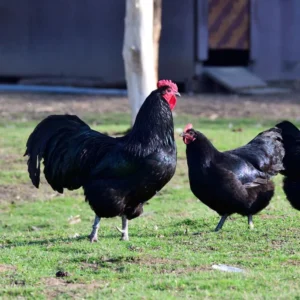
australorp chickens for sale
Price range: $25.00 through $50.00
Australorp chickens are one of the world’s most productive egg-laying breeds, prized for their reliability, gentle nature, and adaptability. Ideal for backyard flocks and commercial egg operations, Australorps combine exceptional performance with easy management.
Australorp Chickens: Prolific Egg Layers & Heritage Dual-Purpose Birds
Australorp chickens hold a distinguished place in poultry history—they’re the breed that shattered egg production records, with a single hen laying 364 eggs in 365 days. These Australian-developed beauties combine remarkable laying ability with calm, docile temperaments that make them favorites among backyard keepers and homesteaders alike. At OrderExoticPoultry.com, we offer NPIP-certified, health-guaranteed australorp chickens for sale from premier bloodlines, including sought-after black, blue, and bantam varieties. Whether you’re seeking maximum egg production or a friendly addition to your family flock, our Australorps deliver exceptional performance with heritage breed durability.
What Are Australorp Chickens?
Australorp chickens are a dual-purpose breed developed in Australia in the early 1900s from Black Orpington stock, selected specifically for egg production while maintaining meat qualities. They hold the world record for egg laying and are characterized by their lustrous black plumage with beetle-green sheen, single comb, and deep, compact bodies. Australorps are known for exceptional hardiness, docile temperament, and consistent laying even through winter months.
Australorp Varieties We Offer
Black Australorp Chickens
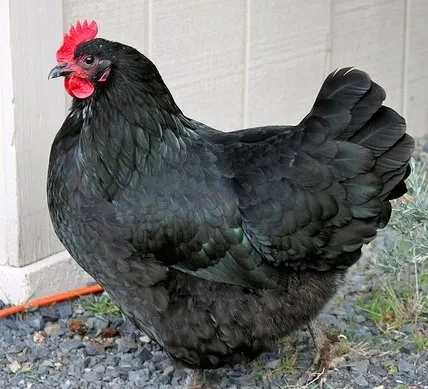
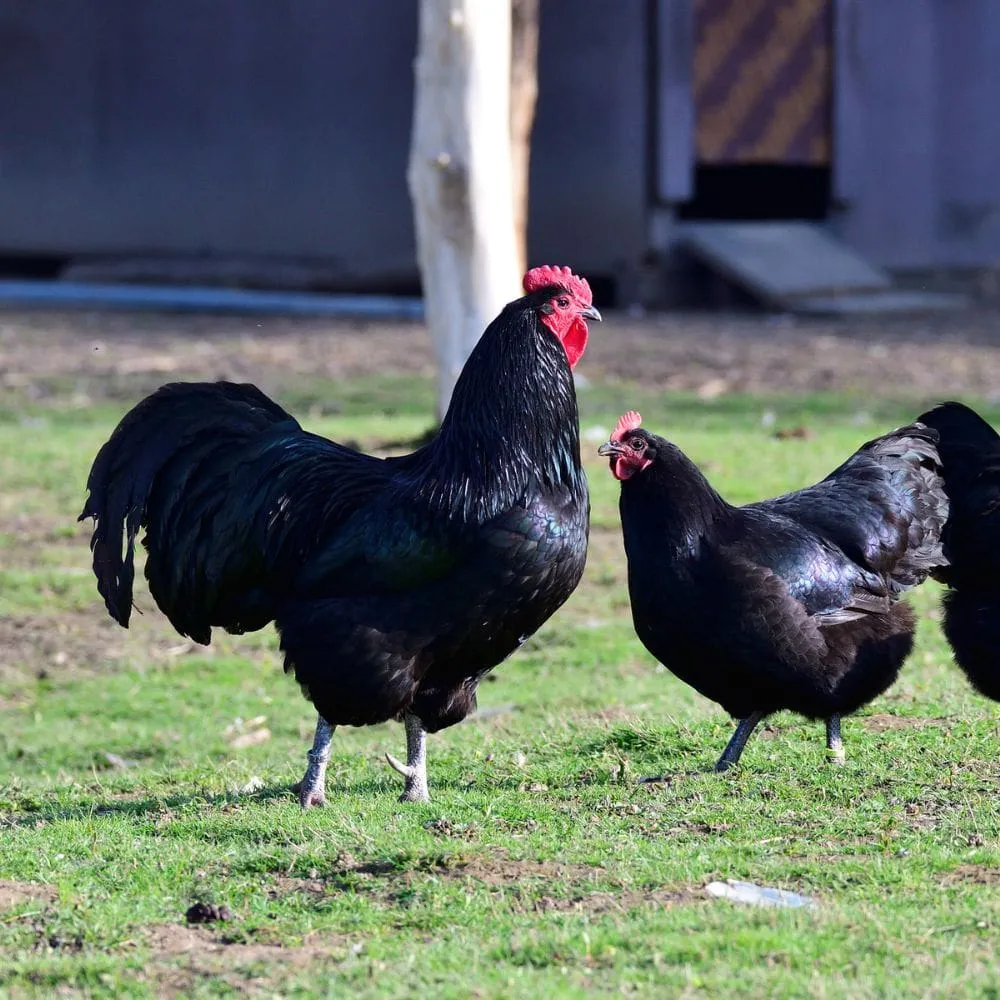
Description: The original and most recognized variety, black australorp chickens feature glossy black feathers with an iridescent beetle-green sheen that catches sunlight spectacularly. They have deep, broad bodies, prominent breasts, and a graceful upright carriage. Their eyes are dark brown or black, and their beaks, shanks, and feet are slate blue to black.
Temperament: Exceptionally calm, friendly, and docile. Black Australorps are known for their gentle nature, making them ideal for families with children, beginners, and mixed flocks. They’re curious without being flighty and often become backyard favorites.
Purpose: Premier dual-purpose breed—outstanding egg production (250–300+ annually) plus respectable meat yield. Hens dress at 5–7 lbs, roosters at 7–9 lbs. Also excellent exhibition birds when breed standard is met.
Egg Production: 4–6 large light brown eggs weekly; 250–300+ annually. Known for winter laying—they continue producing when many breeds slow down. Egg size increases with maturity, from medium pullet eggs to large/jumbo at peak.
Care Requirements: Standard poultry care with attention to clean bedding—their white skin shows soiling easily. Provide adequate roosting space (8–10 inches per bird) and nest boxes (one per 4–5 hens).
Climate Adaptability: Exceptionally cold-hardy due to dense feathering; handles heat well with shade and ventilation. Thrives in all U.S. climate zones. Their black feathers absorb heat in winter while providing sun protection in summer.
Buyer Suitability: Perfect for beginners, families, egg-focused homesteaders, and those wanting both meat and eggs from one breed.
Blue Australorp Chickens
Description: Blue australorp chickens display stunning slate-blue plumage with subtle lacing and the same beetle-green sheen as blacks when light hits correctly. This color variety results from dilution genes and produces consistent blue offspring when bred blue-to-blue. They maintain all the breed characteristics—deep body, single comb, and excellent production.
Temperament: Identical to blacks—calm, friendly, and handleable. Blue Australorps bond well with keepers and integrate seamlessly into any flock dynamic.
Purpose: Dual-purpose with same production as blacks; particularly sought-after by collectors and those desiring unique flock colors. Exhibition potential for blue specialists.
Egg Production: Same as blacks—250–300+ large light brown eggs annually. Blue color variety doesn’t affect egg production or size.
Care Requirements: Standard care with attention to showing blue plumage best—keep bedding clean to prevent feather staining. Blue feathers show dirt more readily than blacks.
Climate Adaptability: Same hardiness as blacks; blue coloration offers no climate advantage or disadvantage.
Buyer Suitability: Flock diversifiers, color collectors, and those wanting something different while maintaining production. Also excellent for exhibition.
Lavender Australorp Chickens
Description: The rarest Australorp color variety, lavender australorp chickens display a soft, uniform silver-blue dilution that appears almost iridescent. This recessive color (also called self-blue) requires both parents carrying the gene. Their plumage is consistent throughout without lacing, creating a dreamy, ethereal appearance.
Temperament: Same docile, friendly disposition as other varieties. Lavender Australorps are often particularly people-oriented, possibly due to more intensive breeder handling.
Purpose: Premier collector’s item; excellent egg production; breeding stock for rare color genetics. Highly sought-after for exhibition.
Egg Production: Same as blacks and blues—250–300+ large light brown eggs annually. Color doesn’t affect production metrics.
Care Requirements: Identical to other varieties but with greater genetic value—protect from predators and maintain detailed breeding records. Their light coloration shows dirt easily; keep housing pristine.
Climate Adaptability: Same hardiness as other Australorps; light coloration reflects heat well in southern climates.
Buyer Suitability: Serious breeders, exhibition competitors, collectors seeking the rarest Australorp variety, and those wanting conversation-starting flock additions.
White Australorp Chickens
Description: Pure white Australorps with clean, bright plumage and the same deep, compact body shape as their black counterparts. Less common than blacks but recognized in the breed standard, they offer striking contrast in mixed flocks.
Temperament: Same calm, friendly disposition as all Australorps. White variety may appear more visible to predators; provide adequate protection.
Purpose: Dual-purpose production; exhibition; flock diversity. White feathers show cleanliness and health particularly well.
Egg Production: Same 250–300+ large light brown eggs annually. White color variety doesn’t affect laying.
Care Requirements: Standard care with extra attention to keeping white feathers pristine—dry bedding, mud-free runs, and protected feeding areas prevent staining.
Climate Adaptability: Excellent heat tolerance due to light color reflecting sunlight; still cold-hardy from dense feathering. Particularly suited to southern states.
Buyer Suitability: Those wanting variety in their flock, exhibitors, and keepers in hot climates seeking light-colored birds.
Bantam Australorp Chickens
Description: Miniature versions of standard Australorps, bantam australorp chickens maintain all breed characteristics—beetle-green sheen, deep body, single comb—at approximately 1/4 the size. Hens weigh 26–30 ounces, roosters 30–34 ounces. Available in black, blue, and lavender varieties.
Temperament: Often even more personable than standards; bantams are frequently described as “pets with benefits.” Their small size makes them less intimidating for children.
Purpose: Ornamental companions; excellent small-scale egg producers; exhibition. Ideal for suburban lots with space restrictions.
Egg Production: 150–200 small to medium light brown eggs annually. Eggs are proportional but flavorful—perfect for households with lower egg consumption.
Care Requirements: Same care principles scaled down. Bantams need smaller feeders, lower roosts, and protection from bullying by larger breeds if mixed.
Climate Adaptability: More vulnerable to predators due to size; require excellent predator protection. Feathering provides cold hardiness, but their small bodies lose heat faster—provide draft-free housing.
Buyer Suitability: Urban and suburban keepers with space limits, families with young children, collectors, and those wanting Australorp personality in a compact package.
Australorp Cross Chickens
Description: Purpose-bred crosses combining Australorp genetics with other productive breeds (often Rhode Island Red or Leghorn) for enhanced hybrid vigor and production. These birds may not meet breed standards but excel in specific applications.
Temperament: Variable but generally friendly; inherits Australorp docility when crossed with other calm breeds.
Purpose: Maximum egg production in commercial or serious homestead settings; meat production when crossed with heavy breeds.
Egg Production: Often exceeds purebreds—300+ eggs annually due to hybrid vigor. Egg color remains light brown.
Care Requirements: Standard care; hybrid vigor often means robust health and disease resistance.
Climate Adaptability: Excellent; hybrid vigor enhances adaptability across conditions.
Buyer Suitability: Commercial operations, serious homesteaders prioritizing production over breed purity, and those wanting maximum eggs with minimum fuss.
Why Choose OrderExoticPoultry.com
Health Guarantees
Every Australorp chicken ships with our comprehensive 48-hour health guarantee. We personally inspect each bird before shipping and stand behind their condition upon arrival. Our mortality coverage ensures your investment is protected.
NPIP Compliance
Our breeding facilities maintain active National Poultry Improvement Plan certification (NPIP #XX-XXXX), ensuring your birds come from pullorum-typhoid clean stock. We provide official documentation with every shipment—essential for exhibition and interstate transport.
Ethical Breeding Standards
We maintain strict breeding protocols to preserve genetic diversity, prevent inbreeding, and select for both production and temperament. Our Australorps receive spacious housing, natural lighting, and premium nutrition throughout development. We never overbreed or compromise bird welfare for volume.
Live Arrival Guarantee
We guarantee live delivery of all poultry shipments to all 50 states. In the unlikely event of transit issues, we offer immediate resolution—replacement or refund—with no hassle. Our shipping team coordinates with USPS, UPS, and specialized carriers to minimize transit time and maximize comfort.
U.S. Shipping Expertise
With thousands of successful shipments across all climates, we understand the logistics of safe poultry transport. We monitor weather patterns nationwide and delay shipments when conditions threaten bird safety. Our custom shipping containers include ventilation, hydration, and temperature considerations.
Transparency & Trust Signals
-
Open farm visits by appointment (schedule online)
-
Verified customer reviews across platforms
-
Third-party health certifications available for review
-
Detailed breeding records and lineage documentation
-
Member of American Poultry Association and American Bantam Association
-
Active participant in heritage breed conservation programs
-
USDA-inspected facilities
-
References available from previous buyers
Shipping & Delivery Across the U.S.
Safe Transport Methods
All Australorp chickens ship in USDA-approved ventilated containers designed specifically for live poultry transport. Day-old chicks receive hydrated gel packs for moisture during transit; started pullets and adult birds ship in divided compartments preventing injury. We include heat packs in cold weather and cooling elements in summer.
What Customers Receive
-
Healthy, inspected Australorp chickens matching your exact order
-
NPIP certification documentation with flock ID
-
Detailed feeding and care transition instructions
-
Breed information card with characteristics and expectations
-
Contact information for post-arrival support (phone, email, text)
-
Discount code for future orders (10% off next purchase)
-
Vaccination records if applicable
Timeline Expectations
-
Day-old chicks: Ship Monday–Wednesday via priority mail; arrive within 2–3 days. We coordinate hatch dates with shipping schedules.
-
Started pullets (8–16 weeks): Scheduled shipments based on weather and destination; typically 1–3 day transit via priority or express.
-
Adult birds and breeding pairs: Custom shipping arrangements; typically 1–2 day express delivery with tracking.
-
Hatching eggs: Weekly shipments year-round with tracking and insurance; properly packed for incubation viability.
Buyer Reassurance
We monitor weather conditions nationwide and delay shipments when temperatures exceed safe ranges (below 20°F or above 85°F). Our shipping team contacts every buyer with:
-
Tracking information within 2 hours of shipment
-
Arrival preparation instructions
-
What to expect upon delivery
-
Post-arrival care protocols
-
Emergency contact information
Australorp Chicken Care Guide
Housing Requirements
Space Needs:
-
Standard Australorps: 4 square feet per bird inside coop, 10 square feet per bird in runs (minimum). For 6 birds: 24 sq ft coop, 60 sq ft run.
-
Bantam Australorps: 2–3 square feet per bird inside, 6–8 square feet per bird in runs.
-
Free-range access: Always beneficial; Australorps are active foragers who thrive with space to explore.
Coop Specifications:
-
Roosting bars: 8–10 inches per bird; 2×2 inch or wider flat bars preferred. Place higher than nest boxes.
-
Nest boxes: One per 4–5 hens; 12×12×12 inches minimum; fill with clean straw, pine shavings, or hemp.
-
Ventilation: Adequate roof-level ventilation without drafts at bird level. Australorps’ dense feathering requires good airflow to prevent respiratory issues.
-
Lighting: Natural light preferred; supplemental lighting (14–16 hours) boosts winter production.
Predator-Proofing:
-
Use ½-inch hardware cloth (not chicken wire) for all openings
-
Bury fencing 12 inches deep with outward apron against digging predators
-
Secure all latches with predator-proof locks (raccoons can open simple hooks)
-
Automatic coop doors prevent night predation
-
Elevate coop slightly for ventilation and predator visibility
Feeding Protocol
Age-Appropriate Nutrition:
| Age | Feed Type | Protein % | Notes |
|---|---|---|---|
| 0–8 weeks | Chick starter | 20–22% | Crumbles; medicated optional |
| 8–20 weeks | Grower feed | 16–18% | Transition gradually over 1 week |
| 20+ weeks | Layer feed | 16% | Pellets or crumbles |
| All ages | Grit | Free-choice | For digestion |
| Layers only | Oyster shell | Free-choice | Separate from feed |
Supplemental Foods:
-
Greens: Lettuce, kale, spinach, chopped comfrey
-
Vegetables: Carrots, squash, pumpkin, cucumbers
-
Fruits: Berries, melon, apples (no seeds), bananas
-
Protein: Black soldier fly larvae, mealworms, scrambled eggs
-
Kitchen scraps: Cooked pasta, rice, bread (limited)
Winter Feeding Adjustments:
-
Increase feed availability (birds burn more calories maintaining warmth)
-
Offer warmed water or unheated options multiple times daily
-
Provide scratch grains in evening (digestion creates body heat overnight)
-
Ensure free-choice oyster shell and grit year-round
Water Requirements:
-
Fresh, clean water daily minimum
-
Heated waterers in freezing conditions
-
Clean waterers weekly with diluted bleach solution
-
Multiple water stations in summer heat
Health Management
Common Health Issues:
-
External parasites: Mites, lice—check under wings and around vent; treat with poultry-safe products
-
Internal parasites: Worms—regular deworming program based on risk
-
Respiratory infections: Watch for sneezing, wheezing, nasal discharge—isolate affected birds
-
Egg binding: Lethargic hen, tail bobbing, straining—warm bath and vet assistance
-
Crop issues: Sour crop (fluid, smell), impacted crop (firm)—withhold food, massage, vet if persists
Preventive Care:
-
Weekly health inspections (check comb, eyes, nostrils, feet, feathers, vent)
-
Clean coop monthly with deep clean quarterly
-
Dust bath areas (diatomaceous earth mixed with sand/soil)
-
Quarantine new birds 30 days before introducing
-
Vaccinate for Marek’s disease if recommended in your area
Signs of Healthy Australorps:
-
Bright, clear eyes
-
Clean, glossy feathers
-
Red comb and wattles (in production)
-
Active foraging behavior
-
Regular egg production
-
Clear nostrils and breathing
-
Firm, well-formed droppings
Breeding Management
Selecting Breeding Stock:
-
Choose birds meeting breed standard (color, conformation, comb type)
-
Select for temperament (docile, handleable)
-
Prioritize proven layers from productive lines
-
Avoid birds with defects (slipped wings, crooked keel, off-color)
Breeding Ratios:
-
Standard ratio: 1 rooster per 8–10 hens for fertile eggs
-
For show-quality: 1 rooster per 5–6 hens ensures better coverage
-
Bantam ratios similar due to smaller size
Breeding Color Genetics:
-
Black to black: Produces all black offspring
-
Blue to blue: Produces 50% blue, 25% black, 25% splash
-
Lavender: Recessive—both parents must carry gene for lavender offspring
-
Black to blue: Produces 50% blue, 50% black
Incubation Guidelines:
-
Fertility check: 7–10 days after introducing rooster
-
Collect eggs daily, store pointed-end down at 55–60°F
-
Incubation period: 21 days
-
Temperature: 99.5°F (forced air)
-
Humidity: 45–50% days 1–18, 65–70% days 19–21
-
Turn eggs 3–5 times daily through day 18
Seasonal Management
Spring:
-
Breeding season begins
-
Increase protein for molting birds
-
Prepare for chick season
-
Deep clean coops after winter
-
Predator activity increases with births
Summer:
-
Provide shade and ventilation
-
Frozen treats (watermelon, frozen water bottles)
-
Check for mites more frequently
-
Ensure constant cool water
-
Watch for heat stress (panting, wings spread)
Fall:
-
Annual molt (feather loss and regrowth)
-
Increase protein during molt (20–22%)
-
Prepare coops for winter
-
Reduce daylight triggers laying slowdown
-
Deep clean before winter
Winter:
-
Heated waterers essential
-
Increase feed for energy
-
Deep litter method for warmth
-
Check combs for frostbite
-
Ventilation vs. draft balance critical
-
Supplemental lighting for continued production
FAQ Section: Australorp Chickens
Appearance & Identification
Q: What do australorp chickens look like?
A: Australorp chickens are large, deep-bodied birds with glossy black plumage featuring a distinctive beetle-green sheen. They have single combs, red wattles, dark brown eyes, and slate-blue shanks and feet. They carry themselves with an upright, confident stance and have a broad, well-rounded breast.
Q: What colors do australorp chickens come in?
A: The American Poultry Association recognizes black, blue, and white Australorps. Black is most common, with iridescent green sheen. Blue Australorps display slate-blue plumage. White Australorps are pure white. Lavender (self-blue) is increasingly available from specialist breeders but not yet universally standardized.
Q: Are all australorp chickens black?
A: No, while black is the most common and original variety, Australorps also come in blue, white, and increasingly lavender. Black Australorps are most numerous because they’re the foundation variety, but dedicated breeders maintain populations of all colors. Blue and lavender varieties command premium prices due to rarity.
Q: How can you tell a male from a female australorp chicken?
A: Males (roosters) are larger (7–9 lbs vs. 5–7 lbs), have larger brighter red combs and wattles, pointed hackle (neck) and saddle (back) feathers, and develop spur buds. Females (hens) are smaller, have rounded body feathers, smaller combs, and squat when approached by roosters. Roosters crow; hens do not.
Q: What is the difference between standard and bantam australorp chickens?
A: Standard Australorps are full-sized birds weighing 5–7 lbs (hens) and 7–9 lbs (roosters). Bantam Australorps are miniature versions weighing 26–34 ounces—approximately 1/4 the size. Bantams maintain all breed characteristics including color, comb type, and body shape, just scaled down.
Egg Production
Q: What color eggs do australorp chickens lay?
A: Australorp chickens lay large eggs in shades of light brown to pinkish-brown. Egg color can vary slightly between individuals and may darken or lighten as the laying season progresses. The brown pigment is deposited on the shell surface and can sometimes be rubbed off when wet.
Q: How many eggs do australorp chickens lay per year?
A: Australorp hens are legendary layers, producing 250–300+ large brown eggs annually. Well-bred lines from productive stock can achieve 300–350 eggs yearly. They hold the world record—a single hen laid 364 eggs in 365 days. Production varies by genetics, nutrition, and management.
Q: When do australorp chickens start laying eggs?
A: Australorp pullets typically begin laying between 5–7 months of age (20–28 weeks). Well-bred lines from early-maturing stock may start as early as 18 weeks. Factors affecting onset include hatch season, nutrition, and individual genetics. Spring-hatched chicks often start in fall.
Q: How long do australorp chickens lay eggs?
A: Australorps lay productively for 3–5 years, with peak production in years 1–2. Year one: 250–300 eggs; year two: 220–280 eggs; year three: 180–240 eggs; years four and beyond: declining production. Many backyard hens continue laying sporadically for 6–8 years with proper care.
Q: Do australorp chickens lay eggs in winter?
A: Yes, Australorps are renowned for winter laying. While production may slow compared to summer months, they continue laying through cold weather better than many breeds. Providing 14–16 hours of supplemental lighting and consistent nutrition maintains winter production. Their dense feathering helps them stay productive.
Q: At what age do black australorp chickens start laying?
A: Black Australorps start laying at the same age as other varieties—5–7 months (20–28 weeks). Color variety doesn’t affect laying onset. Pullets from productive lines with good nutrition and appropriate daylight typically begin on schedule. Watch for squatting behavior and reddening combs as signs of impending lay.
Q: How many eggs do black australorp chickens lay?
A: Black Australorps lay 250–300+ large brown eggs annually—identical to other color varieties. The black variety has the longest history of selection for production, so well-bred black lines often excel. Annual production depends on genetics, nutrition, and management, not plumage color.
Temperament & Behavior
Q: Are australorp chickens friendly?
A: Yes, Australorps are among the friendliest and most docile chicken breeds. They’re calm, curious, and readily bond with their keepers. With regular handling from chick stage, they become exceptionally tame—many enjoy being held, will eat from your hand, and follow you around. Ideal for families and beginners.
Q: Are australorp chickens good with children?
A: Absolutely. Australorps’ gentle temperament, manageable size, and tolerance of handling make them excellent choices for families with children. They don’t startle easily and accept gentle interaction. Always supervise children with any poultry and teach proper two-handed support techniques.
Q: Are australorp chickens noisy?
A: Australorps are moderately quiet compared to many breeds. Hens communicate with soft clucks and murmurs, sing typical egg songs after laying, and may voice mild complaints when handled. Roosters crow like any rooster but aren’t exceptionally loud. They’re suitable for suburban settings where noise ordinances apply.
Q: Do australorp chickens go broody?
A: Australorps have moderate broodiness tendencies. Some lines retain strong maternal instincts and will reliably set eggs; others rarely go broody due to decades of selection for egg production. If you want naturally hatched chicks, select from broody-proven lines. Broody Australorps make attentive, protective mothers.
Q: Are australorp chickens aggressive?
A: No, Australorps are not aggressive. They’re consistently rated among the most docile breeds. Roosters can be protective of hens but are generally manageable with proper handling. Hens almost never show aggression toward humans and integrate well into mixed flocks. They’re reliable flock citizens.
Q: Can australorp chickens fly?
A: Australorps are heavy birds and poor fliers. Their size and weight keep them grounded—they may flutter up to low perches but cannot clear fences taller than 3–4 feet. For containment, 4-foot fencing usually suffices. Their flight limitations make them easier to manage in unfenced areas.
Q: Are black australorp chickens friendly?
A: Yes, black Australorps share the same docile, friendly temperament as all Australorp varieties. Color doesn’t affect personality. Black Australorps are frequently described as “lap chickens” due to their calm nature and willingness to be held. They’re excellent choices for first-time chicken keepers.
Care & Management
Q: How long do australorp chickens live?
A: With proper care—predator protection, quality nutrition, clean housing, and healthcare—Australorp chickens live 8–12 years on average. Exceptional individuals may reach 15+ years. Egg production declines after 3–5 years, but they remain beautiful, entertaining flock members throughout their lives.
Q: How to sex australorp chickens?
A: Sexing Australorp chicks requires experience. By 8–12 weeks, differences emerge: males develop larger, brighter combs and wattles; grow pointed hackle (neck) and saddle (back) feathers; stand taller with more upright posture; and begin attempting to crow. Females remain smaller, with rounded feathers and smaller combs. Vent sexing at hatch requires expert training.
Q: What do australorp chickens eat?
A: Feed age-appropriate complete poultry feeds: chick starter (0–8 weeks, 20–22% protein), grower (8–20 weeks, 16–18% protein), layer feed (20+ weeks, 16% protein with calcium). Supplement with fresh greens, vegetables, fruits (limited), and black soldier fly larvae for protein. Always provide free-choice grit and oyster shell (for layers).
Q: Are australorp chickens cold hardy?
A: Yes, Australorps are exceptionally cold hardy due to their dense, tight feathering and heavy bodies. Their single comb is somewhat susceptible to frostbite—apply petroleum jelly in extreme cold. Provide draft-free but ventilated housing, unfrozen water, and deep litter method for winter warmth. They thrive in northern states.
Q: Are australorp chickens heat tolerant?
A: Australorps handle heat reasonably well but require standard precautions. Their dark coloration (especially blacks) absorbs heat, so provide deep shade, multiple water sources, frozen treats, and excellent ventilation. Light-colored varieties (white, lavender) handle heat better. Misters or shallow wading pools help in extreme temperatures.
Q: What kind of coop do australorp chickens need?
A: Australorps need standard coops with 4 square feet per bird inside, 10 square feet per bird in runs. Provide roosting bars (8–10 inches per bird), nest boxes (one per 4–5 hens), and predator-proof construction with ½-inch hardware cloth. Their size means they need sturdy roosts and easy access to nest boxes.
Q: How much space do australorp chickens need?
A: Minimum space: 4 square feet per bird inside coop, 10 square feet per bird in run. For 6 Australorps: 24 sq ft coop, 60 sq ft run minimum. More space always better. They thrive with free-range access where safe. Their active foraging nature means they use space well and benefit from room to explore.
Q: How big do australorp chickens get?
A: Standard Australorp hens weigh 5–7 pounds, roosters 7–9 pounds. Bantam Australorp hens weigh 26–30 ounces, roosters 30–34 ounces. They’re considered a heavy breed with broad, deep bodies and substantial meat yield. Well-fed birds from productive lines reach these weights reliably.
Q: What is the lifespan of an australorp chicken?
A: Australorp chickens typically live 8–12 years with excellent care. Factors affecting lifespan include predator protection, genetics, nutrition, and healthcare. First 3–5 years are most productive for eggs; remaining years they serve as beautiful flock members and companions. Maximum recorded lifespan exceeds 15 years.
Purchasing & Breeding
Q: Where can I buy australorp chickens?
A: OrderExoticPoultry.com offers NPIP-certified Australorp chickens in black, blue, lavender, white, and bantam varieties. We ship nationwide with live arrival guarantees. When buying elsewhere, verify NPIP certification, ask about breeding lines, request photos of parent stock, and confirm health guarantees before purchasing.
Q: How much do australorp chickens cost?
A: Australorp prices vary by variety and age. Day-old straight-run chicks: $5–15. Sexed pullets: $10–25. Started pullets (8–16 weeks): $20–40. Laying hens: $30–60. Breeding pairs/trios: $75–200+ depending on quality and color. Rare colors (lavender) command premium pricing. Show-quality birds with exceptional conformation: $200–500+.
Q: Are australorp chickens rare?
A: Black Australorps are common and widely available. Blue and white varieties are less common. Lavender Australorps are genuinely rare and sought-after by collectors and serious breeders. Bantam Australorps in any color are less common than standards. Availability varies by season and breeding success.
Q: What is the difference between australorp and black australorp chickens?
A: “Australorp” refers to the breed; “black Australorp” specifies the color variety. All black Australorps are Australorps, but not all Australorps are black—they also come in blue, white, and lavender. When people say “Australorp” without color specification, they often default to meaning black, as it’s the original and most common variety.
Q: Can I breed australorp chickens?
A: Yes, Australorps breed readily. For black Australorps, breed black to black for all black offspring. For blue, understand that blue-to-blue produces 50% blue, 25% black, 25% splash. For lavender (recessive), both parents must carry the gene. Maintain 1 rooster per 8–10 hens for fertility. Incubation period 21 days.
Q: Where do australorp chickens come from?
A: Australorp chickens were developed in Australia in the early 1900s from Black Orpington stock imported from England. Breeders selected for egg production while maintaining meat qualities, creating the “Australian Orpington”—later shortened to Australorp. They were exported worldwide after setting world egg-laying records.
Q: Are australorp chickens a heritage breed?
A: Yes, Australorps qualify as a heritage breed, meeting American Poultry Association standards with natural mating capability, long productive outdoor lifespan, and slow growth rate. They’re included in conservation programs and recognized by the American Livestock Breeds Conservancy as a recovering breed.
Q: Are black australorp chickens good layers?
A: Yes, black Australorps are exceptional layers—among the best of all heavy breeds. Well-bred hens produce 250–300+ large brown eggs annually. They hold the world record for egg production. Their combination of size, hardiness, and laying ability makes them premier dual-purpose birds.
Q: Are australorp chickens good for beginners?
A: Yes, Australorps are ideal for beginners. Their docile temperament forgives handling mistakes, their hardiness tolerates less-than-perfect conditions, and their reliable egg production rewards new keepers. They’re forgiving, adaptable, and educational—perfect for learning poultry husbandry.
Q: How many australorp chickens should I start with?
A: Start with 3–6 hens for a backyard flock. Chickens are social and need companions—never keep just one. For egg production: 3–4 hens provide 12–20 eggs weekly during peak season. For breeding, start with one unrelated trio (1 rooster, 2–3 hens) from quality stock.
Q: What is the best coop setup for australorp chickens?
A: Best coop features: 4 sq ft/bird inside, predator-proof construction (hardware cloth), ventilation near roof, sturdy roosting bars (8–10 inches per bird), nest boxes (one per 4–5 hens), easy-clean droppings boards, and secure run access. Australorps need sturdy roosts supporting their weight.
Q: Do australorp chickens need a rooster to lay eggs?
A: No, hens lay eggs completely independently of roosters. A rooster is only needed for fertilized eggs for hatching. Without a rooster, your hens will lay just as many eggs for eating. Many backyard keepers prefer rooster-free flocks for quieter, less confrontational dynamics.
Q: What predators eat australorp chickens?
A: Common predators: raccoons (will pull birds through fencing), foxes, coyotes, dogs (domestic and wild), hawks, owls, minks, weasels, snakes (eggs and chicks), opossums, and rats (eggs and chicks). Their dark color doesn’t provide camouflage—provide secure housing with hardware cloth and night-locking.
Q: Can australorp chickens live in hot climates?
A: Yes, with proper precautions. Provide deep shade, multiple water sources, ventilation, and frozen treats. Light-colored varieties (white, lavender) handle heat better than blacks. Avoid handling during hottest hours. Misters or shallow wading pools help in extreme temperatures. They adapt to southern states with good management.
Q: Are australorp chickens good meat birds?
A: Yes, Australorps are excellent dual-purpose birds. Hens dress at 5–7 lbs, roosters at 7–9 lbs. Meat is flavorful and tender. They grow slower than commercial Cornish crosses (16–20 weeks vs. 8 weeks) but provide both eggs and meat from the same flock—efficient for homesteaders.
Q: Why aren’t my australorp chickens laying eggs?
A: Possible reasons: too young (under 5–7 months), winter with short daylight (under 14 hours), stress (predators, moves, new flock members), poor nutrition (low protein, no calcium), illness or parasites, molting (annual feather loss), broody hens, or age (older hens lay less). Check each factor systematically.
Q: Why are my australorp chicken eggs soft-shelled?
A: Soft or thin shells indicate: calcium deficiency (provide free-choice oyster shell), vitamin D deficiency (sunlight or supplement), phosphorus imbalance, stress, extreme heat, or older hens. Ensure layer feed with proper calcium (3.5–4%), supplement with oyster shell, and provide calcium-rich treats.
Q: Why are my australorp chickens losing feathers?
A: Feather loss causes: annual molt (late summer/fall, normal), mites/lice (check base of feathers), bullying (observe flock dynamics), nutritional deficiency (protein low), rooster over-mating (saddles on hens), or stress. Treat parasites promptly, separate bullied birds temporarily, increase protein during molt.
Q: Why do my australorp chickens have pale combs?
A: Pale combs in laying hens often indicate: not laying (combs redden with laying hormones), anemia from mites (check for parasites), illness, or poor nutrition. In non-layers, pale combs are normal. If hen should be laying but comb is pale, check for internal or external parasites first.
Q: What is a blue australorp chicken?
A: A blue Australorp is a color variety displaying slate-blue plumage with subtle lacing and the same beetle-green sheen as blacks when light hits correctly. They result from dilution genes and maintain all breed characteristics—production, temperament, size. Blue-to-blue breeding produces 50% blue, 25% black, 25% splash offspring.
Q: What is a lavender australorp chicken?
A: A lavender Australorp (also called self-blue) displays uniform silver-blue dilution without lacing. This recessive color requires both parents carrying the gene. Lavender Australorps are the rarest variety, highly sought-after by collectors and serious breeders. They maintain the same excellent production and temperament as other varieties.
Q: What is a bantam australorp chicken?
A: A bantam Australorp is a miniature version of the standard breed, weighing 26–34 ounces (about 1/4 standard size). They maintain all breed characteristics—glossy plumage, body shape, single comb—and come in black, blue, and lavender. They’re ideal for small properties and make excellent pets.
Q: Do blue australorp chickens lay blue eggs?
A: No, despite their name, blue Australorps lay light brown eggs—the same color as black Australorps. The “blue” refers to plumage color only, not egg color. Egg color is consistent across all Australorp varieties. Blue egg layers are a different breed entirely (like Araucanas or Ameraucanas).
Q: Are lavender australorp chickens rare?
A: Yes, lavender Australorps are genuinely rare. The lavender gene (self-blue) is recessive and requires specific breeding pairs to produce consistent lavender offspring. Limited numbers of quality lavender Australorps exist in the U.S., commanding premium prices and often having waiting lists from specialist breeders.
Ready to Add Australorp Excellence to Your Flock?
Limited Availability: Our breeding programs produce limited numbers of quality Australorp chicks each season. Current inventory includes black, blue, lavender, and bantam varieties—all selling quickly to discerning keepers nationwide.
Secure Your Australorps Today:
-
Browse available Australorp varieties and ages
-
Select your preferred color (black, blue, lavender, white, bantam)
-
Choose quantity and shipping date
-
Complete your secure online order
-
Receive confirmation, tracking, and arrival preparation instructions
Bulk Breeder Inquiries: Developing a breeding program or commercial operation? Contact us for wholesale pricing on breeding pairs, trios, and flocks. We support serious breeders with genetic guidance, lineage documentation, and ongoing consultation.
Early Reservations: Want specific colors or future availability? Reserve your place in our hatching schedule. Priority given to early depositors. Lavender and blue varieties especially benefit from advance reservations.
ORDER AUSTRALORP CHICKENS NOW
NPIP Certified • Live Arrival Guaranteed • Nationwide Shipping • Family-Friendly Breeds
Current Availability Snapshot:
| Variety | Chicks | Started Pullets | Laying Hens | Breeding Pairs |
|---|---|---|---|---|
| Black Australorp | ✓ Available | ✓ Available | Limited | ✓ Available |
| Blue Australorp | Limited | Limited | Contact | Limited |
| Lavender Australorp | Contact | Rare | Contact | Rare |
| White Australorp | ✓ Available | Limited | Contact | Contact |
| Bantam (Black) | ✓ Available | Limited | Limited | Limited |
| Bantam (Blue) | Contact | Rare | Contact | Rare |
Questions? Our poultry specialists are standing by to help you select the perfect Australorps for your property. Call, email, or chat for personalized recommendations based on your climate, space, and goals.
| Quantity | Single adult Hen, Single adult Rooster, Pair of adults(Hen + Rooster) |
|---|
Be the first to review “australorp chickens for sale”
Related products
Exotic Chicken Breeds
Exotic Chicken Breeds
Exotic Chicken Breeds
Exotic Chicken Breeds
Exotic Chicken Breeds
Exotic Chicken Breeds
Exotic Chicken Breeds
Exotic Chicken Breeds
Reviews
There are no reviews yet.