
Giant Brahma Chickens for Sale
Price range: $30.00 through $55.00
Add the impressive Giant Brahma to your flock, a renowned heritage breed prized for its massive size, gentle temperament, and reliable egg production. These feather-legged beauties thrive in various climates, lay large brown eggs, and make excellent dual-purpose birds for both meat and eggs. Perfect for backyard keepers and farms seeking a calm, eye-catching addition to their coop.
Giant Brahma Chickens: The “King of Poultry” – America’s Original Gentle Giants
Giant brahma chickens reign supreme in the poultry world as the original “King of Poultry”—a title they’ve held for over 150 years. These majestic birds, with their massive size, feathered feet, and striking coloration, were the foundation of America’s chicken boom in the late 1800s, commanding record prices and captivating farmers and fanciers alike. Today, they remain the gold standard for cold-hardy, docile giant breeds, producing both respectable brown eggs and substantial meat while winning hearts with their gentle, friendly dispositions. At OrderExoticPoultry.com, we offer NPIP-certified, health-guaranteed giant brahma chickens for sale in all major varieties including Light, Buff, and Dark. Whether you’re seeking the ultimate cold-hardy homestead breed or a majestic addition to your exhibition flock, our Brahmas represent the finest genetics of this historic American breed.
What Are Giant Brahma Chickens?
Giant brahma chickens are a massive Asiatic breed originating in America from birds imported from China via the Brahmaputra region of India in the 1840s–1850s. They’re characterized by their huge size (roosters 10–12 lbs, hens 8–10 lbs), profuse feathering including heavily feathered legs and feet, pea combs (frostbite-resistant), and striking color patterns. Known as the “King of Poultry,” they were the primary meat breed in America until the rise of industrial hybrids. They’re exceptionally cold-hardy, docile, and reliable winter layers.
Giant Brahma Varieties We Offer
Light Brahma Chickens
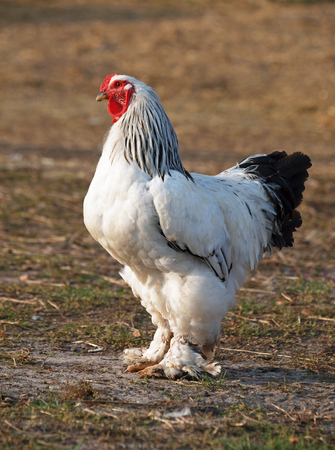
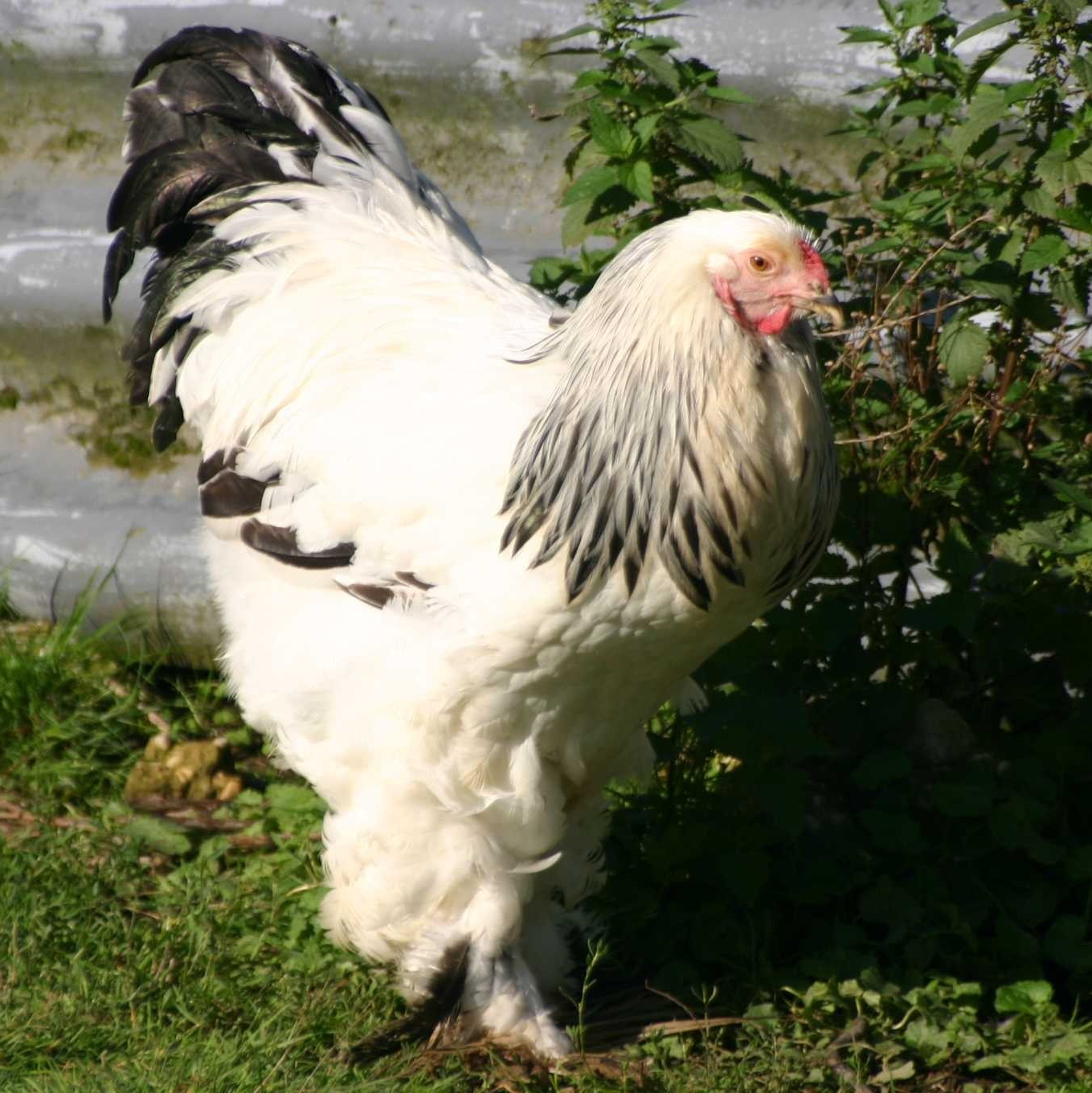
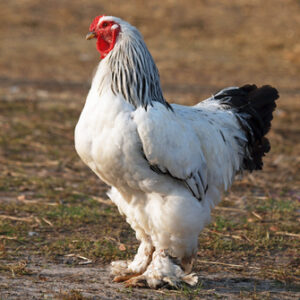
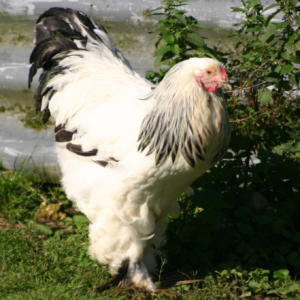
The classic and most recognizable variety, Light Brahmas display stunning white plumage with black hackle feathers (neck) and black tails, creating a striking contrast. Their heavily feathered legs and feet are white, and they have the characteristic pea comb. They’re the largest of the Brahma varieties.
Size:
-
Roosters: 10–12 pounds (occasionally larger)
-
Hens: 8–10 pounds
-
Cockerels: 8–10 pounds at maturity
-
Pullets: 7–9 pounds at maturity
Temperament: Exceptionally calm, docile, and friendly—the original “gentle giants.” Light Brahmas are known for their sweet dispositions and tolerance of handling. They’re excellent with children and integrate well into mixed flocks.
Purpose: Dual-purpose heritage breed—excellent meat production plus reliable brown egg laying. Exhibition quality for those seeking show birds. Cold-hardy homestead foundation.
Egg Production: 150–200 medium to large brown eggs annually. They lay consistently through winter months—among the best winter layers of all breeds.
Care Requirements: Special considerations for their size and feathered feet—extra-large coop doors, sturdy roosts, clean bedding to prevent foot problems.
Climate Adaptability: Exceptionally cold-hardy—the gold standard for northern climates. Their pea combs resist frostbite, and dense feathering retains heat. Heat requires shade and ventilation.
Buyer Suitability: Cold climate homesteaders; families wanting friendly giants; exhibition enthusiasts; those seeking reliable winter eggs.
Buff Brahma Chickens
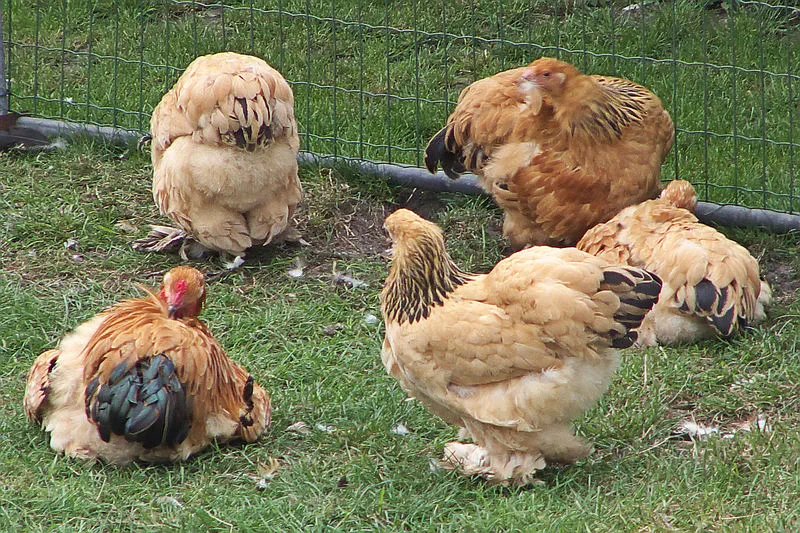
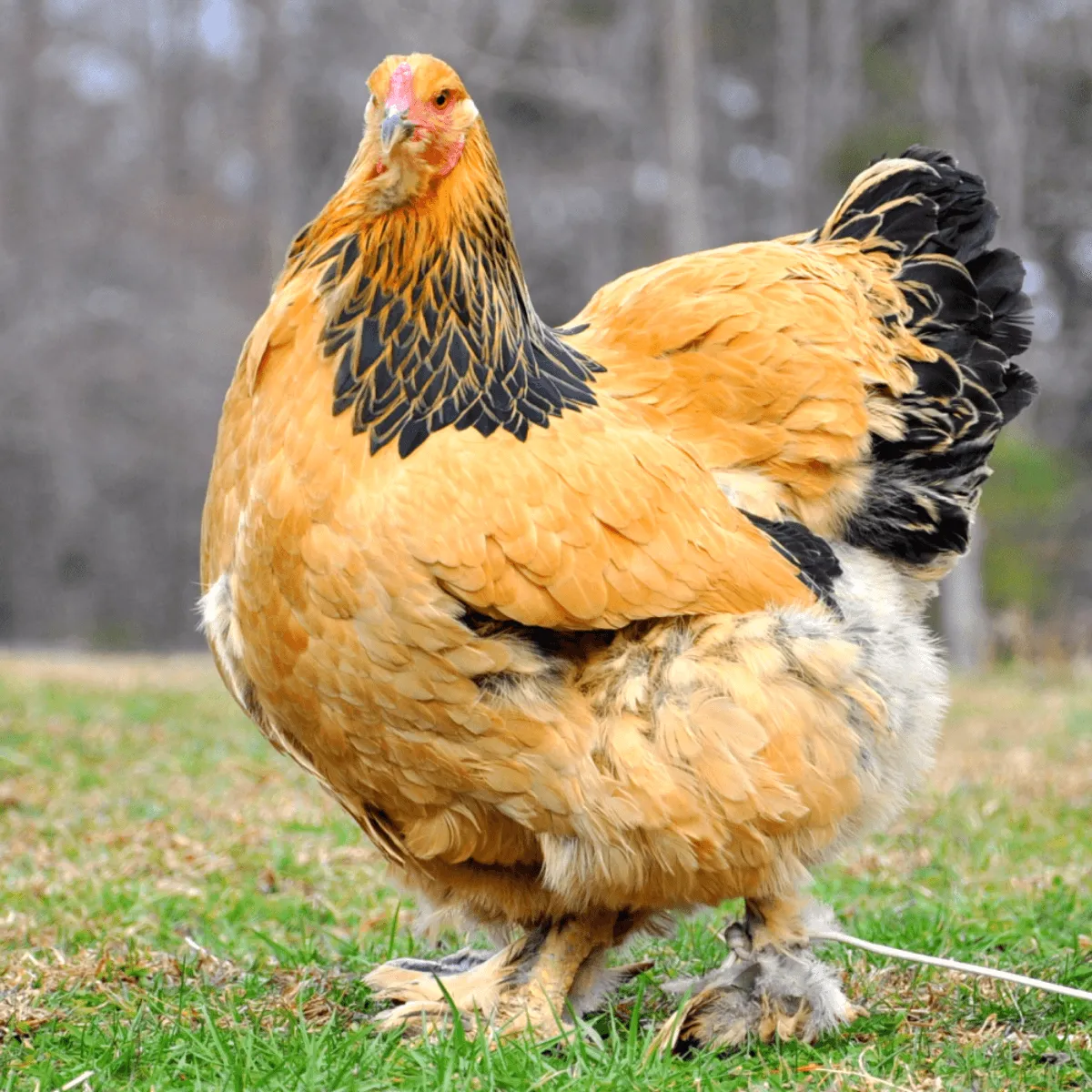
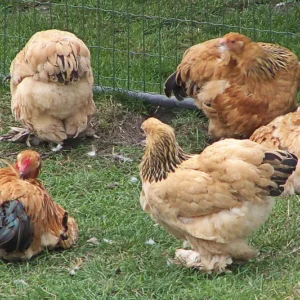
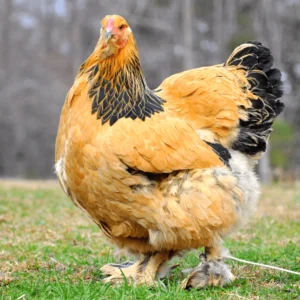
Description: Buff Brahmas display rich golden-buff plumage with black hackle feathers and black tails—a warmer, more dramatic version of the Light Brahma pattern. They’re slightly less common than Lights but equally stunning. Their feathered legs and feet are buff-colored.
Size: Same as Light variety—roosters 10–12 lbs, hens 8–10 lbs
Temperament: Same exceptionally docile, friendly nature
Purpose: Dual-purpose heritage breed; exhibition; cold-hardy homesteading
Egg Production: 150–200 medium to large brown eggs annually
Climate Adaptability: Same excellent cold hardiness; buff color offers good heat reflection
Buyer Suitability: Color collectors; those wanting warmer tones; cold climate keepers
Dark Brahma Chickens
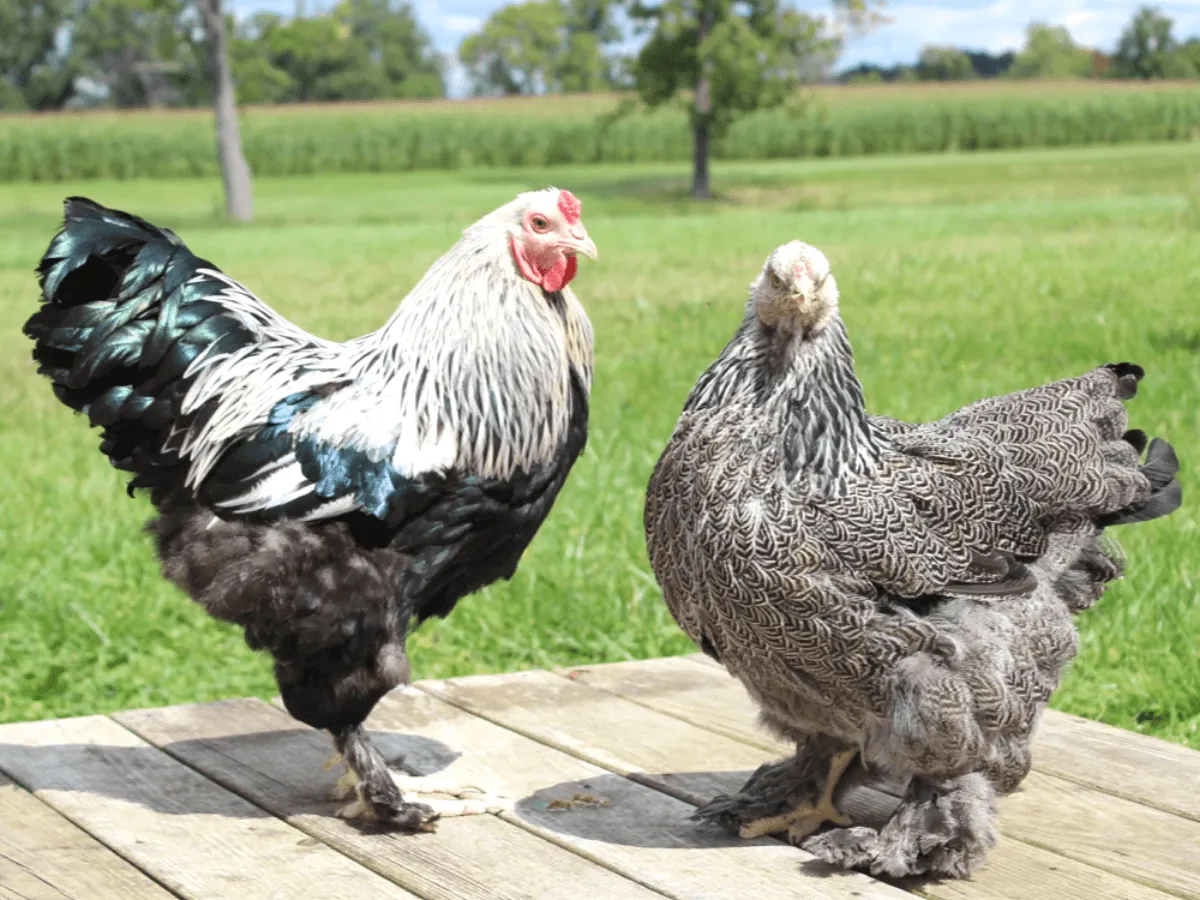
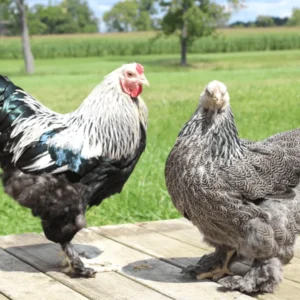
Dark Brahmas display striking black and white patterning—hens have black plumage with white lacing on each feather, creating a detailed, silvery appearance. Roosters have black breasts and tails with silver hackles and saddle feathers. This is the most intricate and showy variety.
Size: Same as Light and Buff—roosters 10–12 lbs, hens 8–10 lbs
Temperament: Same calm, docile nature—Dark Brahmas are exhibition favorites
Purpose: Exhibition excellence; dual-purpose production; rare color preservation
Egg Production: 150–200 medium to large brown eggs annually
Climate Adaptability: Same excellent cold hardiness
Buyer Suitability: Exhibition enthusiasts; serious collectors; those wanting intricate patterning
Partridge Brahma Chickens
Description: Partridge Brahmas display rich golden-brown plumage with black penciling—a warm, detailed pattern similar to Dark but with brown replacing silver. This variety is rarer and highly sought-after by collectors.
Size: Same as other varieties—roosters 10–12 lbs, hens 8–10 lbs
Temperament: Same docile, friendly nature
Purpose: Rare color collectors; exhibition; dual-purpose production
Egg Production: 150–200 medium to large brown eggs annually
Climate Adaptability: Same excellent cold hardiness
Buyer Suitability: Serious color collectors; exhibition breeders; those wanting warm tones
Brahma Bantams
Miniature versions of standard Brahmas, weighing 30–34 ounces for roosters, 26–30 ounces for hens. Available in Light, Buff, Dark, and Partridge varieties, maintaining all breed characteristics: feathered legs, pea comb, and striking color patterns.
Temperament: Often even more personable than standards; their smaller size makes them excellent pets
Purpose: Ornamental companions; small-scale egg production; exhibition
Egg Production: 120–150 small to medium brown eggs annually
Care Requirements: Same care principles scaled down; more vulnerable to predators
Climate Adaptability: Good cold hardiness with extra winter protection due to size
Buyer Suitability: Those with limited space; families with children; collectors
Size Comparison: Brahma vs. Jersey Giant – Who’s Bigger?
One of the most common questions in the poultry world: Are Brahma chickens bigger than Jersey Giants?
| Breed | Rooster Weight | Hen Weight | Notes |
|---|---|---|---|
| Jersey Giant | 13–15 lbs | 10–12 lbs | Largest breed by weight |
| Brahma | 10–12 lbs | 8–10 lbs | Slightly smaller but more FEATHERED |
The Truth: Jersey Giants are heavier, but Brahmas often appear larger due to their profuse feathering and fluffier appearance. A Brahma’s massive feathering, feathered legs, and upright stance can make them look every bit as impressive as the heavier Jersey Giant.
Appearance vs. Reality:
-
Jersey Giants: More weight, sleeker feathering
-
Brahmas: Slightly less weight, dramatically more feathering
-
Visual impact: Brahmas often win on “wow factor” due to their feathering
Both are massive birds—either breed will be the largest chickens in your flock.
The History of “King of Poultry”
The Brahma’s Rise to Fame
In the 1850s–1870s, Brahmas were the most important chicken breed in America. They were:
-
The primary meat breed before industrialization
-
Record-setting prices—single birds sold for $100–$500 in 1850s money (equivalent to thousands today)
-
Export sensation—shipped to England where they sparked a “Brahma fever”
-
Foundation breed—used to develop many modern breeds
-
“King of Poultry”—the title they’ve held for over 150 years
Queen Victoria herself kept Brahmas, cementing their popularity throughout the British Empire.
Why They Were So Valued
-
Massive size—unprecedented meat yield
-
Cold hardiness—laid through northern winters
-
Docile temperament—easy to manage
-
Beautiful appearance—struck fear in poultry exhibitions
-
Reliable production—eggs and meat from one breed
Today, they remain a living link to America’s poultry heritage.
Why Choose OrderExoticPoultry.com
Health Guarantees
Every Giant Brahma chicken ships with our comprehensive 48-hour health guarantee. We personally inspect each bird before shipping and stand behind their condition upon arrival.
NPIP Compliance
Our breeding facilities maintain active National Poultry Improvement Plan certification (NPIP #XX-XXXX), ensuring your birds come from pullorum-typhoid clean stock. We provide official documentation with every shipment.
Premier Bloodlines
We maintain separate breeding programs for Light, Buff, Dark, and Partridge Brahmas, with documented lineage tracing back to foundation stock. Our birds are selected for correct size, type, and temperament.
Ethical Breeding Standards
We limit breeding pairs to preserve genetic diversity and prevent inbreeding. Our Brahmas receive spacious housing with extra-large doors, premium nutrition, and individual attention throughout development.
Live Arrival Guarantee
We guarantee live delivery of all poultry shipments to all 50 states. Given the value and size of these birds, we offer expedited shipping options and enhanced packaging.
U.S. Shipping Expertise
With specialized experience shipping large-breed poultry, we understand the logistics of safe Brahma transport. We monitor weather patterns nationwide, delay shipments when conditions threaten safety, and use priority/express services for these valuable birds.
Transparency & Trust Signals
-
Open farm visits by appointment
-
Verified customer reviews from Brahma buyers
-
Third-party health certifications available
-
Detailed breeding records and lineage documentation
-
Member of American Poultry Association and Brahma Club
-
Active participant in heritage breed conservation
Shipping & Delivery Across the U.S.
Safe Transport Methods for Giant Breeds
All Brahma shipments receive specialized handling:
-
Day-old chicks: Standard chick shipping with extra space—their large feet need room
-
Started pullets and adults: Extra-large divided compartments preventing injury; reinforced containers
-
Breeding pairs: Custom shipping arrangements with express delivery and signature confirmation
What Customers Receive
-
Healthy, inspected Brahmas matching your exact variety order
-
NPIP certification documentation with flock ID
-
Detailed lineage documentation where available
-
Comprehensive care guide specific to giant breeds
-
Feathered foot care guide
-
Breed information card with historical context
-
24/7 post-arrival support contact
-
Discount code for future orders
Timeline Expectations
-
Day-old chicks: Ship Monday–Wednesday via priority express; arrive within 1–3 days
-
Started pullets (8–16 weeks): Scheduled shipments based on weather; 1–3 day express transit
-
Adult birds and breeding pairs: Custom shipping; 1–2 day express delivery
-
Hatching eggs: Weekly shipments with tracking and insurance
Buyer Reassurance
We monitor weather conditions nationwide and delay shipments when temperatures threaten safety. Our shipping team contacts every buyer with tracking information and arrival preparation instructions.
Giant Brahma Care Guide (Special Considerations for Giants)
Housing Requirements for Giants
Space Needs:
-
Inside coop: 5–6 square feet per bird (more than standard breeds)
-
Run space: 12–15 square feet per bird minimum
-
For 6 Brahmas: 30–36 sq ft coop, 72–90 sq ft run minimum
Coop Specifications for Giants:
-
Door size: Minimum 12×14 inches—these are BIG birds with feathered feet
-
Roosting bars: 10–12 inches per bird; 2×4 inch boards (flat side up) for comfort; lower height (2–3 feet) to prevent injury from jumping down
-
Nest boxes: Extra large—14×14×14 inches minimum; one per 3–4 hens
-
Ventilation: Critical—their size generates significant moisture and ammonia
-
Bedding: Deep, clean bedding; they produce more manure than standard breeds
Feathered Foot Care:
-
Brahmas have heavily feathered legs and feet (among the most profuse)
-
Daily: Quick visual check for debris
-
Weekly: Inspect feet thoroughly—spread feathers to check skin
-
Monthly: Trim excessively long feathers if trapping debris
-
Winter: Provide dry areas—snow and ice balls can form on feathered feet
-
Problem signs: Limping, matted feathers, mites between feathers
Run Requirements:
-
Fencing: 4–5 foot minimum; they’re too heavy to fly but can be motivated
-
Predator protection: Hardware cloth (not chicken wire); their size attracts larger predators
-
Shade: Essential in summer—their feathering retains heat
-
Mud management: Their weight can create muddy areas; provide drainage or heavy mulching
Special Considerations:
-
Ramps: Gentle slopes (not steep) for accessing coops—they’re not agile jumpers
-
Nest box access: Low enough for heavy hens to enter comfortably
-
Feeder height: Elevated to prevent waste but accessible
-
Waterer height: Elevated to keep clean but within reach
Feeding Protocol for Giant Breeds
Age-Appropriate Nutrition:
| Age | Feed Type | Protein % | Notes |
|---|---|---|---|
| 0–8 weeks | Chick starter | 20–22% | High-quality starter |
| 8–20 weeks | Grower feed | 18–20% | Support steady growth |
| 20+ weeks | Layer feed | 16% | For laying hens |
| Non-layers | Maintenance | 14–16% | For roosters, non-laying hens |
| All ages | Grit | Free-choice | Essential for digestion |
| Layers only | Oyster shell | Free-choice | For strong eggshells |
Growth Nutrition Notes:
-
Brahmas grow slowly—don’t push growth with excessive protein
-
Provide consistent nutrition throughout development
-
Monitor body condition—they should be substantial but not obese
-
Large breeds are prone to leg issues if growth is too rapid
Supplemental Foods:
-
Greens: Kale, lettuce, chopped forage (in moderation)
-
Vegetables: Pumpkin, squash, carrots
-
Protein: Limited mealworms (treats only)
-
Scratch grains: Limited (10% of diet maximum)
Water Requirements:
-
Capacity: Large waterers—giants drink more
-
Accessibility: Elevated to comfortable height (12–18 inches for adults)
-
Winter: Heated waterers essential—they need constant access
-
Summer: Multiple stations; they can overheat easily
Health Management for Giant Breeds
Common Health Issues:
-
Leg problems: Their weight stresses legs—provide soft bedding, avoid slippery surfaces
-
Feathered feet issues: Mites, matting, bumblefoot—keep clean and dry
-
Heat stress: Their size and feathering makes them susceptible—provide shade, ventilation
-
Obesity: Monitor condition—giants can become overweight
-
Respiratory issues: Good ventilation critical due to manure volume
-
Mites/Lice: Check regularly—harder to spot under dense feathering
Preventive Care:
-
Weekly health inspections including feathered feet
-
Soft, clean bedding to prevent pressure sores
-
Low, wide roosts to distribute weight
-
Clean coop monthly with deep clean quarterly
-
Dust bath areas with diatomaceous earth
-
Quarantine new birds 30–60 days
Signs of Healthy Brahmas:
-
Bright, clear eyes
-
Clean, glossy feathers with distinct patterning
-
Active movement despite size
-
Strong, straight legs with clean feathered feet
-
Regular egg production (hens)
-
Clear nostrils
-
Good appetite
Breeding Management
Selecting Breeding Stock:
-
Size: Choose birds at the top of the standard (10–12 lbs roosters, 8–10 lbs hens)
-
Color: Select for correct pattern in your chosen variety
-
Temperament: Docility is essential—aggressive giants are dangerous
-
Conformation: Broad backs, deep bodies, correct type
-
Feathering: Profuse but not excessive; clean feathered legs
Breeding Ratios:
-
Standard: 1 rooster per 8–10 hens
-
Their size means careful management during breeding to prevent hen injury
Incubation Guidelines:
-
Fertility check: 7–10 days after introducing rooster
-
Collect eggs daily—their size means fewer per nest
-
Incubation period: 21 days
-
Temperature: 99.5°F (forced air)
-
Humidity: 45–50% days 1–18, 65–70% days 19–21
-
Turn eggs 3–5 times daily
Chick Management:
-
Chicks grow slower than commercial breeds
-
Provide ample space—they grow fast and need room
-
Monitor leg development—avoid slippery surfaces
-
Feathered feet visible from day one
-
Sexing possible by 8–12 weeks via comb and feather development
Seasonal Management
Spring:
-
Breeding season begins
-
Increase protein slightly
-
Prepare for chick season
-
Deep clean coops after winter
-
Check feathered feet after winter confinement
Summer:
-
Critical heat management—their size and feathering are disadvantages
-
Provide deep shade, excellent ventilation
-
Frozen treats, misters, multiple water stations
-
Limit activity during hottest hours
-
Watch for heat stress (panting, wings spread, lethargy)
Fall:
-
Annual molt (feather loss and regrowth)
-
Increase protein during molt (20–22%)
-
Prepare coops for winter
-
Deep clean before winter
-
Evaluate breeding stock
Winter:
-
Where they EXCEL—the most cold-hardy breed
-
Heated waterers essential
-
Deep litter method for warmth
-
Provide dry areas for feathered feet—snow and ice balls are the enemy
-
They continue laying through winter—best of any large breed
-
Check feathered feet daily for ice accumulation
FAQ Section: Giant Brahma Chickens
Size & Comparison
Q: How big do giant brahma chickens get?
A: Giant Brahma roosters reach 10–12 pounds, hens reach 8–10 pounds at full maturity (12–18 months). They’re among the largest chicken breeds, though Jersey Giants are slightly heavier. Their profuse feathering makes them appear even larger than their weight suggests.
Q: Are brahma chickens bigger than jersey giants?
A: No—Jersey Giants are heavier (13–15 lbs roosters vs. 10–12 lbs for Brahmas). However, Brahmas have more profuse feathering, often making them appear equally impressive. Both are “gentle giants” and among the largest breeds.
Q: How big is the largest brahma chicken?
A: Exceptional individuals can reach 13–14 pounds for roosters, 11–12 pounds for hens with excellent genetics and care. Historical records from the 1850s mention even larger birds, but modern standards focus on type and health over maximum size.
Q: How long does it take for a brahma chicken to reach full size?
A: Brahmas are slow-growing heritage birds. They reach接近 full size at 12–18 months, but continue filling out for up to 2 years. This slow growth contributes to their excellent health and longevity.
Q: What is the difference between brahma and jersey giant chickens?
A: Brahma: 10–12 lbs, profuse feathering including heavily feathered legs, pea comb, striking color patterns (Light, Buff, Dark), older heritage breed (1850s). Jersey Giant: 13–15 lbs, sleeker feathering, lightly feathered legs, single comb, solid colors (black, blue, white), developed later (1890s). Both are gentle giants with excellent temperaments.
Egg Production
Q: How many eggs do brahma chickens lay?
A: Brahma hens lay approximately 150–200 medium to large brown eggs annually. They’re reliable layers for a giant heritage breed, with excellent winter production—among the best of all breeds for cold-weather laying.
Q: What color eggs do brahma chickens lay?
A: Brahmas lay brown eggs, ranging from light to medium brown. Egg color can vary slightly between individuals. Eggs are medium to large in size, increasing with hen maturity.
Q: When do brahma chickens start laying?
A: Brahma pullets typically begin laying between 6–8 months of age (24–32 weeks)—slightly later than smaller breeds due to their slow growth. Factors affecting onset include hatch season, nutrition, and individual genetics.
Q: Do brahma chickens lay eggs in winter?
A: YES—Brahmas are legendary winter layers. Their cold hardiness and dense feathering keep them productive through the coldest months. With 14–16 hours of supplemental lighting, they lay consistently when many breeds stop entirely.
Q: How long do brahma chickens lay eggs?
A: Brahmas lay productively for 4–6 years, longer than many breeds. Peak production years 1–3 (150–200 eggs), gradual decline thereafter. Many continue laying sporadically for 7–8 years. Their longevity is a heritage breed advantage.
Temperament & Behavior
Q: Are brahma chickens friendly?
A: Yes—Brahmas are famously docile and friendly, earning the nickname “gentle giants.” They’re calm, handleable, and enjoy human interaction. With regular handling from chick stage, they become exceptionally tame. They’re excellent for families and beginners.
Q: Are brahma chickens good with children?
A: Absolutely. Their gentle temperament, manageable size (for their bulk), and tolerance of handling make them ideal for families with children. Supervise interactions as with any poultry—their size means they can accidentally knock over small children.
Q: Are brahma chickens aggressive?
A: No—Brahmas are consistently rated among the most docile breeds. Roosters are typically gentle and manageable, though individual personalities vary. They’re known for their calm, peaceful nature.
Q: Do brahma chickens go broody?
A: Yes, Brahmas have strong broody tendencies. Their massive size means they can cover a large clutch of eggs—ideal for natural incubation. Broody Brahmas make excellent, protective mothers. They’re often used to hatch other breeds’ eggs.
Q: Can brahma chickens fly?
A: No—their massive weight makes flight impossible. They may flutter up to low perches but cannot clear fences. For containment, 4-foot fencing is usually sufficient. Their inability to fly makes them easier to manage.
Q: Are brahma chickens noisy?
A: Brahmas are quiet compared to many breeds. Their voices are moderate, and they’re not excessive vocalizers. Roosters crow but their size doesn’t affect volume significantly. They’re suitable for suburban settings.
Care & Management
Q: How long do brahma chickens live?
A: With proper care, Brahmas live 8–12 years on average—longer than many breeds due to their slow growth and heritage genetics. Exceptional individuals may reach 15 years. Their longevity makes them excellent long-term flock members.
Q: What kind of coop do brahma chickens need?
A: Brahmas need extra-large coops with: 5–6 sq ft per bird inside, extra-large doors (12×14 inches minimum), sturdy low roosts (2×4 boards, 2–3 feet high), large nest boxes (14×14 inches), excellent ventilation, and clean bedding for feathered feet.
Q: How much space do brahma chickens need?
A: Minimum space: 5–6 square feet per bird inside coop, 12–15 square feet per bird in run. For 6 Brahmas: 30–36 sq ft coop, 72–90 sq ft run minimum. More space always better—their size means they need room to move comfortably.
Q: What do brahma chickens eat?
A: Feed age-appropriate complete poultry feeds with adequate protein for slow growth. They consume more feed than standard breeds—approximately 1/3 pound per day per adult bird. Provide free-choice grit and oyster shell.
Q: Are brahma chickens cold hardy?
A: YES—Brahmas are the gold standard for cold hardiness. Their pea combs resist frostbite, dense feathering retains heat, and massive bodies generate warmth. They thrive in northern states where other breeds struggle. The most cold-hardy large breed.
Q: Are brahma chickens heat tolerant?
A: Their size and feathering are disadvantages in heat. They require deep shade, excellent ventilation, cooling measures, and constant water access in summer. Light varieties (Light Brahma) handle heat better than dark. Provide frozen treats and misters in extreme temperatures.
Q: How to care for brahma chicken feet?
A: Feathered feet require: clean, dry bedding; weekly inspections for matting or debris; trimming excessively long feathers if they trap dirt; mite checks between feathers; dry areas in winter to prevent ice balls; soft surfaces to prevent pressure sores.
Q: Do brahma chickens need special care for their feathered feet?
A: Yes—their profuse foot feathering requires attention: keep bedding clean and dry, check weekly, trim if needed, inspect for mites, and provide dry winter areas. Healthy feet are essential for these heavy birds.
Purchasing & Breeding
Q: How much do giant brahma chickens cost?
A: Brahma prices vary by variety and quality. Light Brahma chicks: $8–15 each. Buff Brahma chicks: $10–20 each. Dark Brahma chicks: $12–25 each. Partridge Brahma chicks: $15–30 each (rare). Started pullets: $30–60. Breeding pairs: $100–300+ depending on variety and quality. Show-quality birds: $300–800+.
Q: Where can I buy giant brahma chickens?
A: OrderExoticPoultry.com offers NPIP-certified Giant Brahmas in Light, Buff, Dark, and Partridge varieties. We ship nationwide with live arrival guarantees. When buying elsewhere, verify NPIP certification and ask about size and feathering quality.
Q: What is the rarest brahma color?
A: Partridge Brahmas are among the rarest, requiring complex color genetics. Dark Brahmas are less common than Lights. Buff Brahmas are moderately rare. All varieties are less common than commercial breeds.
Q: Are buff brahma chickens rare?
A: Buff Brahmas are less common than Light Brahmas but more available than Partridge. Quality Buff birds with correct color and pattern are valued by collectors and exhibition breeders.
Q: Can I breed brahma chickens?
A: Yes, Brahmas breed readily. Maintain 1 rooster per 8–10 hens for fertility. Select breeding stock for size, correct color pattern, and temperament. Their strong broodiness means they’ll often hatch their own eggs. Incubation period 21 days.
Q: Where do brahma chickens come from?
A: Brahmas were developed in America from large, feathered-foot chickens imported from China via the Brahmaputra region of India in the 1840s–1850s. Breeders in America refined them into the modern Brahma, which was then exported worldwide.
Q: Are brahma chickens a heritage breed?
A: Yes, Brahmas are a foundational heritage breed, meeting American Poultry Association standards with natural mating capability, long productive lifespan (4–6 years), and slow growth rate. They’re included in conservation programs and recognized by the American Livestock Breeds Conservancy.
Practical Information
Q: Are brahma chickens good for beginners?
A: Yes—with preparation. Their docile temperament is beginner-friendly, but their size requires special housing considerations. Beginners must provide extra-large coops, sturdy roosts, and understand their feed consumption. They’re manageable with proper planning.
Q: How many brahma chickens should I start with?
A: Start with 3–6 hens for a backyard flock. Their size means fewer birds provide more visual impact. For egg production: 4–5 hens provide 8–12 eggs weekly during peak season. For breeding, start with an unrelated trio (1 rooster, 2–3 hens) from quality stock.
Q: What is the best coop setup for brahma chickens?
A: Best coop features: 5–6 sq ft/bird inside, extra-large doors (12×14 inches), low wide roosts (2×4 boards, 2–3 feet high), large nest boxes (14×14 inches), excellent ventilation, clean bedding (critical for feathered feet), and gentle ramps.
Q: Do brahma chickens need a rooster to lay eggs?
A: No, hens lay eggs independently of roosters. A rooster is only needed for fertilized eggs for hatching. Without a rooster, your hens will lay just as many eggs for eating. Their gentle nature means roosters are manageable if you choose to keep one.
Q: What predators eat brahma chickens?
A: Their size deters some predators, but they’re still vulnerable to: dogs (especially large breeds), coyotes, foxes, bears, raccoons (can attack through fencing), and large birds of prey (young birds). Provide exceptional protection—their value warrants it.
Q: Can brahma chickens live in hot climates?
A: Yes, but require intensive management. Their size and feathering retain heat, so provide: deep shade, excellent ventilation, multiple water sources, frozen treats, and light-colored varieties if possible. They’re better suited to cooler climates.
Add the Original “King of Poultry” to Your Flock
Premium Variety Selection: We offer the finest Giant Brahmas available in the United States—Light, Buff, Dark, and Partridge varieties from documented bloodlines.
Current Availability:
| Variety | Chicks | Started Pullets | Breeding Pairs | Notes |
|---|---|---|---|---|
| Light Brahma | ✓ Available | Limited | ✓ Available | Classic “King of Poultry” |
| Buff Brahma | Limited | Contact | Contact | Rich golden beauty |
| Dark Brahma | Limited | Contact | Limited | Intricate silver/black pattern |
| Partridge Brahma | Rare | Contact | Rare | Rarest variety |
| Brahma Bantams | Limited | Contact | Contact | Miniature versions |
Secure Your Giant Brahmas Today:
-
Browse available varieties and select your preference
-
Choose quantity and age (day-old chicks, started pullets, breeding pairs)
-
Place your deposit to secure your place in our hatching schedule
-
Receive confirmation and estimated shipment date
-
Prepare your extra-large coop for your gentle giants’ arrival
Breeder Programs:
Developing a giant breed program? We offer:
-
Wholesale pricing on breeding trios and flocks
-
Size and color genetics consultation
-
Lineage documentation and breeding records
-
Ongoing breeder support and community access
Early Reservations Recommended
Buff, Dark, and Partridge varieties are produced in limited numbers each season. Contact us to discuss current availability and waitlist status.
ORDER GIANT BRAHMA CHICKENS NOW
NPIP Certified • Live Arrival Guaranteed • The Original “King of Poultry” • Nationwide Shipping
Why Choose Us for Your Giant Brahmas?
-
All major varieties—Light, Buff, Dark, Partridge
-
Documented heritage bloodlines
-
Health-guaranteed, NPIP-certified birds
-
Expert shipping with live arrival guarantee
-
Feathered foot care guidance included
-
Ongoing support from giant breed specialists
| Quantity | Single Adult Hen, Single Adult Rooster, A Pair of Adults(Hen/Rooster) |
|---|---|
| Chicken Color | Dark, Light, Buff, Lavender |
Be the first to review “Giant Brahma Chickens for Sale”
Related products
Exotic Chicken Breeds
Exotic Chicken Breeds
Exotic Chicken Breeds
Exotic Chicken Breeds
Exotic Chicken Breeds
Exotic Chicken Breeds
Exotic Chicken Breeds
Exotic Chicken Breeds
Reviews
There are no reviews yet.