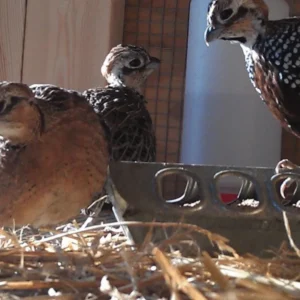
Quail for Sale
Price range: $25.00 through $35.00
Raising quail? Start with our healthy, fast-growing Coturnix quail! These little birds are easy to care for, quiet, and perfect for backyard or urban setups. They mature in just 6-8 weeks and lay up to 300 speckled eggs per year—delicious and nutritious! Great for eggs, meat, or as charming low-maintenance pets
Quail for Sale: Buying and Raising Productive Game Birds for Eggs and Meat
Quail for sale opens the door to one of the most rewarding and productive small-scale poultry ventures. Whether you’re seeking a steady supply of nutrient-dense eggs, lean gourmet meat, or simply the charm of these diminutive game birds in your aviary, quail offer unmatched efficiency in a compact package. From the prolific Coturnix (the workhorse of the quail world) to the striking Bobwhite and the adorable Button quail, there’s a species for every purpose and space. At OrderExoticPoultry.com, we offer NPIP-certified, health-guaranteed quail in a wide range of species, ages, and forms—live birds, day-old chicks, and fertile hatching eggs. Read on to discover everything you need to know before purchasing quail, from species selection to care requirements and pricing.
What Are Quail?
Quail are small, ground-dwelling game birds belonging to the pheasant family Phasianidae. They are found worldwide and have been domesticated for centuries for their eggs and meat. Quail are known for rapid growth, high egg production relative to their size, and quiet, manageable nature. They mature in as little as 6–8 weeks and begin laying eggs at 6–8 weeks of age, producing up to 300 eggs per year per hen in prolific strains. Quail are ideal for small farms, homesteads, and even backyard setups due to their minimal space requirements.
Quail Species We Offer
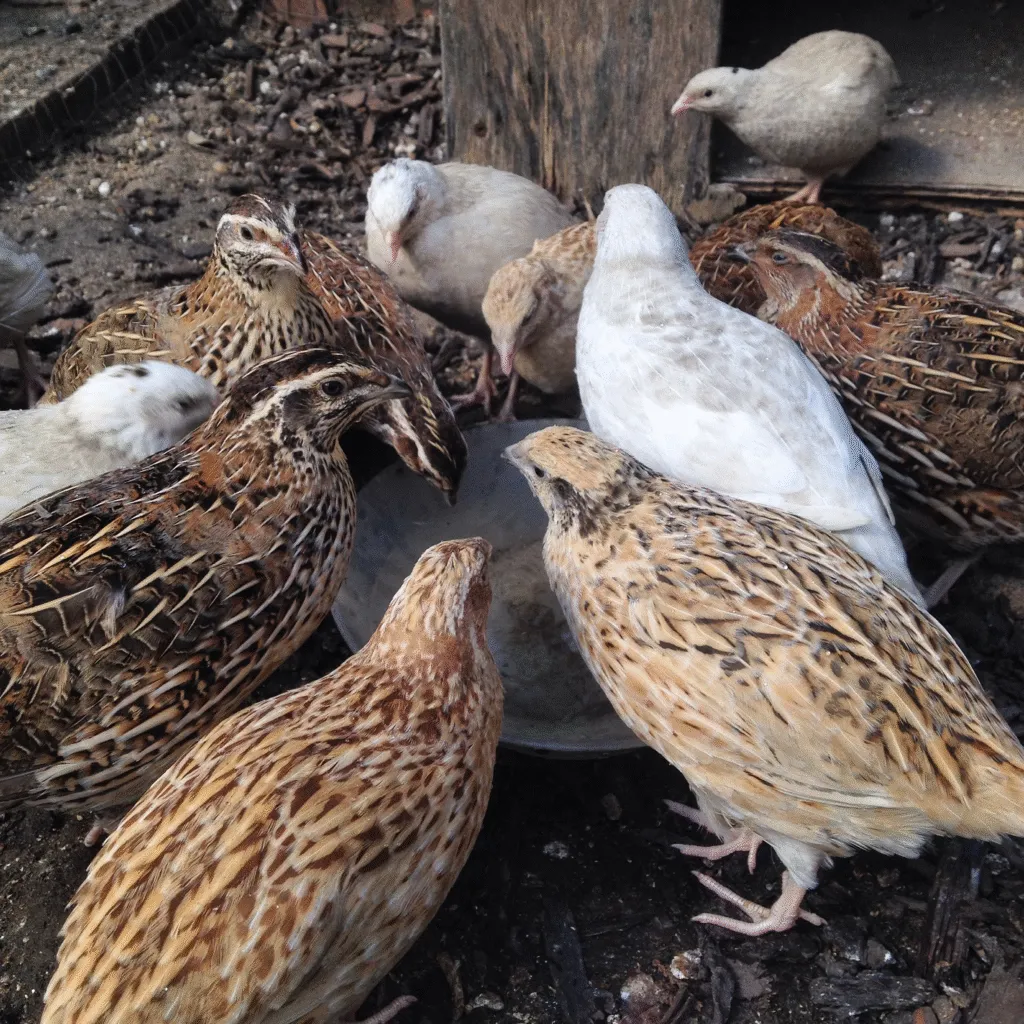
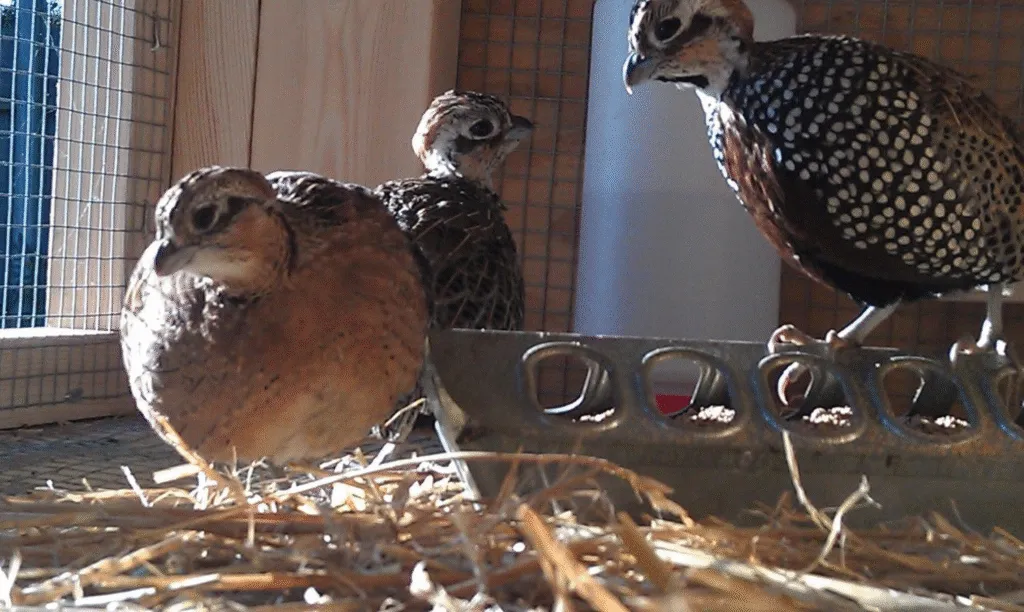
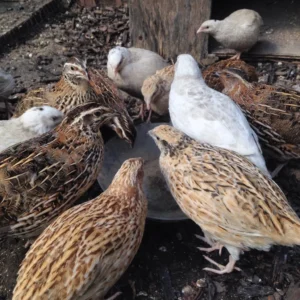
Coturnix Quail (Coturnix japonica)
The most common and productive quail species, Coturnix quail (also called Japanese quail) are the premier choice for egg and meat production. They come in several color varieties including Pharaoh (wild-type), Jumbo (larger meat birds), Tibetan, Italian, and more. They are calm, easy to handle, and reach maturity in just 6–8 weeks.
Size:
-
Standard Coturnix: 4–5 ounces
-
Jumbo Coturnix: 6–8 ounces
Temperament: Docile and easily tamed; they rarely fly and adapt well to cages or pens.
Purpose: Egg production (200–300 eggs/year); meat production; pets; breeding.
Egg Production: 200–300 small, speckled brown eggs annually. Eggs weigh 10–12 grams.
Care Requirements: Minimal space (1 sq ft per bird in cages), game bird feed (20–24% protein), clean water, and predator-proof housing.
Climate Adaptability: Hardy but need protection from extreme cold and drafts.
Buyer Suitability: Perfect for beginners, egg enthusiasts, small-scale meat production.
Jumbo Coturnix Quail
Description: A selectively bred larger strain of Coturnix quail, Jumbo Coturnix are prized for meat production. They reach 6–8 ounces at maturity—almost double the size of standard Coturnix—while maintaining excellent egg production.
Size: 6–8 ounces
Temperament: Same docile nature as standard Coturnix.
Purpose: Meat production primarily; also good egg layers (200–250 eggs/year).
Egg Production: 200–250 eggs annually.
Care Requirements: Same as standard Coturnix; slightly more space recommended.
Buyer Suitability: Those focused on meat production; homesteaders.
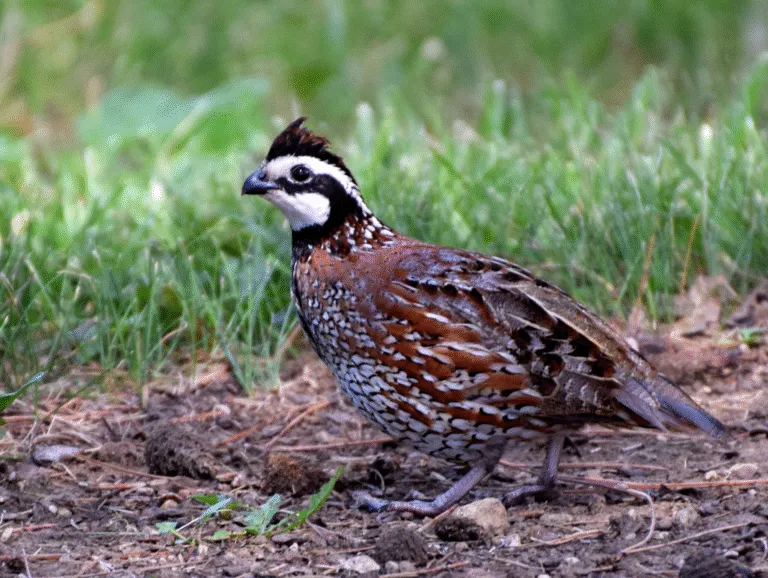
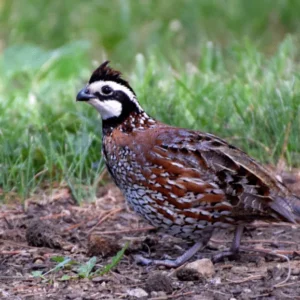
Bobwhite Quail (Colinus virginianus)
Native to North America, Bobwhite quail are popular for hunting preserves, ornamental aviaries, and as a gourmet meat bird. They have a distinctive “bob-white” call and are more flighty than Coturnix, requiring larger pens.
Size: 6–7 ounces
Temperament: More nervous; need cover in aviaries; not as easily tamed.
Purpose: Hunting preserves; flight training for dogs; ornamental; meat.
Egg Production: 60–100 white, pointed eggs annually.
Care Requirements: Larger flight pens (2–3 sq ft per bird), planted cover, game bird feed.
Climate Adaptability: Hardy; native to eastern U.S.
Buyer Suitability: Hunting preserve operators; dog trainers; aviculturists.
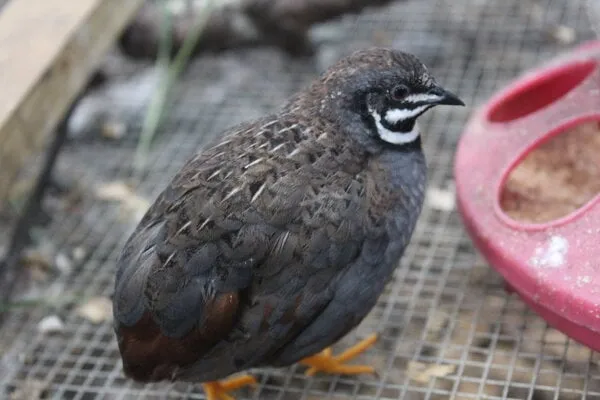
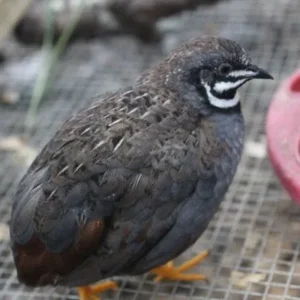
Button Quail (Coturnix chinensis)
The smallest of the quail, Button quail (also called Chinese Painted quail) are kept primarily as ornamental birds. They come in a rainbow of colors including silver, cinnamon, blue-faced, and more. They are not typically raised for meat or eggs but are delightful pets and aviary birds.
Size: 1.5–2 ounces
Temperament: Active, can be tame if hand-raised; good in planted aviaries.
Purpose: Ornamental; pets; aviary display.
Egg Production: 50–80 tiny, dark brown eggs annually.
Care Requirements: Small space; fine grit; can be kept in pairs or trios.
Climate Adaptability: Need protection from cold.
Buyer Suitability: Ornamental collectors; aviary keepers; children’s pets.
California Valley Quail (Callipepla californica)
The state bird of California, California Valley quail are beautiful with their forward-curving head plume. They are social, often seen in coveys, and are popular for aviaries and as game birds.
Size: 5–6 ounces
Temperament: Active, flock-oriented; need space.
Purpose: Ornamental; aviaries; some meat production.
Egg Production: 50–80 creamy, marked eggs annually.
Care Requirements: Larger aviaries with cover; game bird feed.
Climate Adaptability: Hardy in mild climates; need shelter from harsh winters.
Buyer Suitability: Aviary enthusiasts; ornamental collectors.
Gambel’s Quail (Callipepla gambelii)
Description: Native to the southwestern U.S., Gambel’s quail are known for their striking black topknot and desert adaptability. They are similar in size and care to California quail.
Size: 5–6 ounces
Temperament: Active, social.
Purpose: Ornamental; aviaries.
Egg Production: 50–80 eggs annually.
Care Requirements: Same as California quail.
Climate Adaptability: Heat-tolerant; need protection from cold.
Buyer Suitability: Aviary enthusiasts in warm climates.
Mountain Quail (Oreortyx pictus)
The largest of the western quail, Mountain quail are distinguished by their long, straight head plume. They are more challenging to keep, requiring cooler climates and specialized diets.
Size: 7–8 ounces
Temperament: Hardy but need experienced care.
Purpose: Ornamental; conservation breeding.
Egg Production: 40–60 eggs annually.
Care Requirements: Large, cool aviaries; varied diet including greens.
Climate Adaptability: Need cool conditions; not for hot climates.
Buyer Suitability: Experienced aviculturists.
Mearns Quail (Cyrtonyx montezumae)
Description: Also known as Montezuma quail, Mearns quail are beautifully patterned but secretive and challenging to keep. They require specialized care and are not recommended for beginners.
Size: 5–6 ounces
Temperament: Shy, need dense cover.
Purpose: Conservation; advanced collectors.
Egg Production: 30–50 eggs annually.
Care Requirements: Large, densely planted aviaries; live food supplementation.
Climate Adaptability: Need moderate climate.
Buyer Suitability: Advanced aviculturists.
Quail Products We Offer
| Product | Description | Best For |
|---|---|---|
| Live Adult Quail | Mature birds, ready to lay or breed | Immediate production; breeding |
| Day-Old Chicks | Just hatched, need brooder care | Raising your own; bonding |
| Started Pullets | 4–6 week old birds, past fragile stage | Easier start; sexed available |
| Breeding Pairs/Trios | Proven breeders | Establishing a breeding program |
| Hatching Eggs | Fertile eggs for incubation | Hatching your own; lower shipping cost |
| Processed Meat | Whole dressed quail, frozen | Gourmet meals; easy consumption |
Quail Species Comparison
| Species | Size (oz) | Eggs/Year | Temperament | Space (sq ft/bird) | Difficulty | Primary Use |
|---|---|---|---|---|---|---|
| Coturnix (Standard) | 4–5 | 200–300 | Docile | 1 | Beginner | Eggs, Meat |
| Jumbo Coturnix | 6–8 | 200–250 | Docile | 1.5 | Beginner | Meat |
| Bobwhite | 6–7 | 60–100 | Nervous | 2–3 | Intermediate | Hunting, Ornamental |
| Button | 1.5–2 | 50–80 | Active | 0.5–1 | Beginner | Ornamental, Pets |
| California Valley | 5–6 | 50–80 | Social | 2–3 | Intermediate | Ornamental |
| Gambel’s | 5–6 | 50–80 | Social | 2–3 | Intermediate | Ornamental |
| Mountain | 7–8 | 40–60 | Hardy | 3–4 | Advanced | Ornamental |
| Mearns | 5–6 | 30–50 | Shy | 3–4 | Advanced | Conservation |
Quail Pricing Guide (2026)
| Species/Product | Price Range | Notes |
|---|---|---|
| Coturnix Chicks (day-old) | $0.50–$2.00 each | Bulk discounts available |
| Jumbo Coturnix Chicks | $1.00–$3.00 each | Larger birds |
| Bobwhite Chicks | $1.50–$3.50 each | Flightier species |
| Button Quail Chicks | $3.00–$8.00 each | Color mutations cost more |
| California/Gambel’s Chicks | $4.00–$10.00 each | Limited availability |
| Adult Coturnix (pair) | $10–$25 | Varies by age and strain |
| Adult Bobwhite (pair) | $20–$40 | Flight-conditioned cost more |
| Hatching Eggs (dozen) | $10–$40 | Species and fertility dependent |
| Processed Meat (each) | $2–$5 | Frozen, dressed |
Factors Affecting Price:
-
Species: Rare species cost more
-
Age: Adults cost more than chicks
-
Sex: Females cost more (egg layers)
-
Strain: Jumbo and color mutations cost more
-
Quantity: Bulk discounts available
Why Choose OrderExoticPoultry.com
Health Guarantees
Every quail shipment includes our comprehensive live arrival guarantee. We personally inspect each bird before shipping and stand behind their condition upon arrival.
NPIP Compliance
Our breeding facilities maintain active National Poultry Improvement Plan certification (NPIP #XX-XXXX), ensuring your birds come from pullorum-typhoid clean stock. We provide official documentation with every shipment—essential for interstate transport.
Wide Species Selection
We offer the broadest range of quail species available—from productive Coturnix to rare Mearns—so you can find the perfect birds for your needs.
Ethical Breeding Standards
We maintain separate breeding programs for each species, preserving genetic integrity and selecting for health, vigor, and species-typical characteristics.
Live Arrival Guarantee
We guarantee live delivery of all poultry shipments to all 50 states. We use specialized packaging and priority/express services for all quail shipments.
U.S. Shipping Expertise
With thousands of successful shipments across all climates, we understand the logistics of safe quail transport. We monitor weather patterns nationwide and delay shipments when conditions threaten bird safety.
Transparency & Trust Signals
-
Open farm visits by appointment
-
Verified customer reviews from quail buyers
-
Third-party health certifications available
-
Detailed breeding records and lineage documentation
-
Member of avicultural societies
Shipping & Delivery Across the U.S.
Safe Transport Methods for Quail
All quail shipments receive species-appropriate handling:
-
Hatching eggs: Cushioned packaging, temperature-controlled, tracking
-
Day-old chicks: Specialized ventilated containers with hydrated gel packs; heat packs in cold weather
-
Started and adult birds: Individual compartments preventing injury; secure perching; temperature-controlled packaging
What Customers Receive
-
Healthy, inspected quail matching your exact order
-
NPIP certification documentation with flock ID
-
Species-specific care guide
-
Contact information for post-arrival support
-
Discount code for future orders
-
Access to private quail-keeping community
Timeline Expectations
-
Hatching eggs: Weekly shipments with tracking
-
Day-old chicks: Ship Monday–Wednesday via priority express; arrive within 1–2 days
-
Started birds (2–4 weeks) : Scheduled shipments based on weather; 1–2 day express transit
-
Adults and breeding pairs: Custom shipping arrangements; 1–2 day express delivery
Buyer Reassurance
We maintain species-specific temperature guidelines and delay shipments when conditions threaten safety. Our shipping team contacts every buyer with tracking and detailed arrival instructions.
Quail Care Guide
Housing
Indoor Cage Systems (for Coturnix, Jumbo) :
-
Space: 1 square foot per bird minimum
-
Height: 6–8 inches (they don’t fly vertically)
-
Floor: 1/2″ wire mesh for droppings to fall through
-
Feeder and waterer: Exterior-mounted to prevent waste
-
Nesting: They lay on floor; no nests needed
Aviaries (for Bobwhite, California, Gambel’s, Ornamental) :
-
Space: 2–4 square feet per bird
-
Height: 6–8 feet for flight
-
Cover: Planted grasses, shrubs, or artificial cover
-
Floor: Dirt or sand for dust bathing
-
Netting: Predator-proof top
Brooder Setup (for Chicks) :
-
Temperature: 95°F first week, decrease 5°F weekly
-
Heat source: Heat lamp or brooder plate
-
Bedding: Paper towels first week, then pine shavings
-
Feed: Game bird starter (24–28% protein)
-
Water: Shallow dishes with marbles to prevent drowning
Feeding
| Age | Feed Type | Protein % | Notes |
|---|---|---|---|
| 0–6 weeks | Game bird starter | 24–28% | Crumbles |
| 6+ weeks | Game bird grower | 20–22% | For non-layers |
| Layers | Game bird layer | 18–20% | With calcium |
| All ages | Grit | Free-choice | For digestion |
| Breeding | Breeder feed | 20–22% | Increased protein |
Supplemental Foods:
-
Greens: Chopped lettuce, kale, spinach
-
Vegetables: Finely chopped carrots, squash
-
Protein: Mealworms (treats)
-
Scratch grains: Limited
Health Management
Common Issues:
-
Coccidiosis: Common in chicks—use medicated starter or clean conditions
-
Respiratory infections: Ensure good ventilation
-
External parasites: Mites, lice—provide dust baths with diatomaceous earth
-
Injuries: From fighting or flying into obstacles—provide enough space
-
Egg binding: Ensure calcium and proper nutrition
Preventive Care:
-
Clean housing regularly
-
Fresh water daily
-
Quarantine new birds 30 days
-
Fecal exams annually
Breeding & Incubation
Breeding:
-
Most quail breed readily in pairs or trios
-
Coturnix: 1 male : 2–3 females
-
Bobwhite: Often kept in pairs
-
Provide nesting areas or collect eggs daily
Incubation:
-
Period: 17–18 days (Coturnix, Button); 23–24 days (Bobwhite, California)
-
Temperature: 99.5°F (forced air)
-
Humidity: 45–55% days 1–14, 65–70% last 3 days
-
Turning: Automatic turner or 3–5 times daily
-
Lockdown: Last 2–3 days, stop turning, increase humidity
Chick Care:
-
Leave in incubator until fully fluffed (12–24 hours)
-
Move to brooder with heat, feed, water
-
Use chick-sized feeders and waterers
FAQ Section: Quail for Sale
General Questions
Q: How many eggs do quail lay?
A: Coturnix quail are the most prolific, laying 200–300 small eggs per year. Bobwhite and other species lay 50–100 eggs annually.
Q: How long do quail live?
A: Quail typically live 2–3 years in captivity, though some may reach 4–5 years with excellent care. Egg production declines after the first year.
Q: What do quail eat?
A: Feed game bird feed appropriate for age: starter (24–28% protein), grower (20–22%), layer (18–20%). Supplement with greens, vegetables, and grit.
Q: How much space do quail need?
A: Coturnix can be kept in cages with 1 sq ft per bird. Bobwhite and other flighty species need 2–4 sq ft per bird in aviaries.
Q: Do quail need a coop?
A: Quail need secure housing to protect from predators and weather. Cage systems or aviaries are both suitable depending on species.
Q: Are quail easy to raise?
A: Coturnix quail are very easy and ideal for beginners. Bobwhite and other ornamental species require more space and experience.
Q: Can quail live with chickens?
A: Not recommended. Quail are smaller and can be bullied or killed by chickens. They also have different disease susceptibilities.
Q: What is the best quail for eggs?
A: Coturnix quail, especially standard or Jumbo strains, are the best egg layers, producing up to 300 eggs per year.
Q: What is the best quail for meat?
A: Jumbo Coturnix quail are bred specifically for meat, reaching 6–8 ounces at maturity.
Q: How to incubate quail eggs?
A: Use an incubator at 99.5°F with proper humidity. Coturnix eggs hatch in 17–18 days; Bobwhite in 23–24 days.
Q: Do quail need grit?
A: Yes, quail need grit to digest food. Provide insoluble grit (crushed granite) free-choice.
Q: Can quail fly?
A: Coturnix quail rarely fly and can be kept in low cages. Bobwhite and other species can fly well and need covered aviaries.
Q: Are quail noisy?
A: Quail are generally quiet. Males may crow softly, especially in the morning. Coturnix males have a quiet, pleasant call.
Q: How much do quail cost?
A: Prices vary by species and age. Coturnix chicks: $0.50–$2.00. Bobwhite chicks: $1.50–$3.50. Adult pairs: $10–$40. See pricing guide above.
Q: Where can I buy quail?
A: OrderExoticPoultry.com offers NPIP-certified quail in multiple species, plus hatching eggs and processed meat. We ship nationwide with live arrival guarantees.
Start Your Quail Journey Today
Wide Species Selection: We offer the most comprehensive selection of quail species—from productive Coturnix to rare Mearns—plus hatching eggs and processed meat.
Current Availability:
| Species | Chicks | Started | Adults | Hatching Eggs | Meat |
|---|---|---|---|---|---|
| Coturnix (Standard) | ✓ Available | ✓ Available | ✓ Available | ✓ Available | ✓ Available |
| Jumbo Coturnix | ✓ Available | Limited | Limited | ✓ Available | ✓ Available |
| Bobwhite Quail | ✓ Available | Limited | Contact | ✓ Available | ✓ Available |
| Button Quail | ✓ Available | Contact | Contact | ✓ Available | – |
| California Valley | Limited | Contact | Contact | ✓ Available | – |
| Gambel’s Quail | Limited | Contact | Contact | ✓ Available | – |
| Mountain Quail | Contact | Contact | Contact | Contact | – |
| Mearns Quail | Contact | Contact | Contact | Contact | – |
Secure Your Quail Today:
-
Browse available species and select your birds
-
Choose age/type (chicks, started, adults, eggs, meat)
-
Place your deposit to secure your place in our hatching/shipping schedule
-
Receive confirmation and estimated shipment date
-
Prepare your setup for your new quail
Breeder Programs:
Developing a quail breeding program? We offer:
-
Wholesale pricing on breeding pairs and trios
-
Species-specific genetic consultation
-
NPIP-certified stock
-
Ongoing breeder support
Early Reservations Recommended
Rare species and seasonal availability mean some birds are in limited supply. Contact us to reserve your birds today.
ORDER QUAIL FOR SALE NOW
NPIP Certified • Live Arrival Guaranteed • Wide Species Selection • Nationwide Shipping
Why Choose Us for Your Quail?
-
All major species—Coturnix, Jumbo, Bobwhite, Button, California, Gambel’s, and more
-
Chicks, started birds, adults, hatching eggs, and meat available
-
Health-guaranteed, NPIP-certified birds
-
Expert shipping with live arrival guarantee
-
Ongoing support from quail specialists
| Breeds | Mearns, Button, Cortunix, Bob White |
|---|
Be the first to review “Quail for Sale”
Related products
Exotic Chicken Breeds
Exotic Chicken Breeds
Exotic Chicken Breeds
Exotic Chicken Breeds
Exotic Chicken Breeds
Exotic Chicken Breeds
Exotic Chicken Breeds
Exotic Chicken Breeds
Reviews
There are no reviews yet.