Pheasants for sale
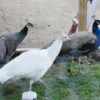
Price range: $50.00 through $120.00
Are you looking to revitalize your hunting preserve? Look no further. We are offering top-quality, flight-ready pheasants for sale that guarantee an exhilarating hunt for the 2024 season. Our birds are raised in large, open flight pens to ensure strong muscles and natural wariness, giving your clients the challenging sporting experience they demand.
Pheasants for Sale: Acquiring the World’s Most Colorful Game Birds
Pheasants for sale represent an opportunity to bring living art into your aviary—birds whose breathtaking colors and elegant forms have captivated aviculturists for centuries. From the fiery brilliance of the Golden Pheasant to the striking patterns of Lady Amherst, the iridescent beauty of the Silver Pheasant, and the impressive tail feathers of the Reeves, pheasants offer unparalleled diversity for collectors, breeders, and conservationists. At OrderExoticPoultry.com, we offer NPIP-certified, health-guaranteed pheasants from premier bloodlines—including common and rare species, chicks, eggs, and breeding pairs. Whether you’re establishing a breeding program, expanding your aviary, or seeking the perfect birds for your estate, we provide expert guidance every step of the way. Read on to discover everything you need to know before purchasing pheasants, from species selection to care requirements and pricing.
What Are Pheasants?
Pheasants are a group of large, colorful game birds in the family Phasianidae, which also includes partridges, peafowl, and junglefowl. Native primarily to Asia, with some species in Europe and Africa, they’re characterized by striking sexual dimorphism—males display brilliant plumage and elaborate tails, while females are camouflaged brown. They range from 1–6 pounds depending on species, live 5–15 years in captivity, and are prized for ornamental display, conservation breeding, hunting, and meat production.
Pheasant Species We Offer
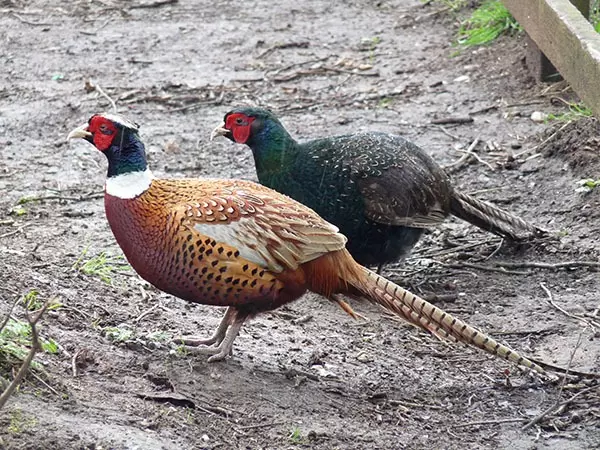
Ring-necked Pheasant (Phasianus colchicus)
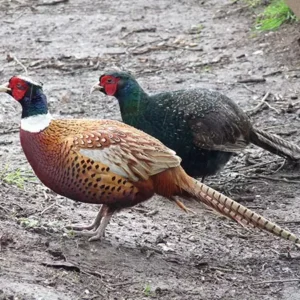
Description: The most common and widely recognized pheasant, Ring-necked pheasants (also called Common pheasants) are native to Asia but naturalized worldwide as game birds. Males have iridescent copper-gold plumage, a green head, red facial wattles, and a distinctive white neck ring. Females are mottled brown for camouflage.
Size:
-
Males: 2.5–3.5 pounds, 30–35 inches including tail
-
Females: 2–2.5 pounds
-
Chicks: 0.5–1 ounce at hatch
Temperament: Semi-wild, flighty, not typically tame. They’re hardy and adaptable, making them excellent for beginners.
Purpose: Hunting preserves; meat production; naturalized populations; beginner aviculture.
Egg Production: 40–60 light brown eggs per year (spring/summer). Good layers.
Care Requirements: Need large flight pens (minimum 100 sq ft per bird) with cover. Hardy in most climates.
Climate Adaptability: Excellent—adaptable from cold northern states to moderate southern regions.
Buyer Suitability: Hunting preserves; meat producers; beginners; naturalized release programs.
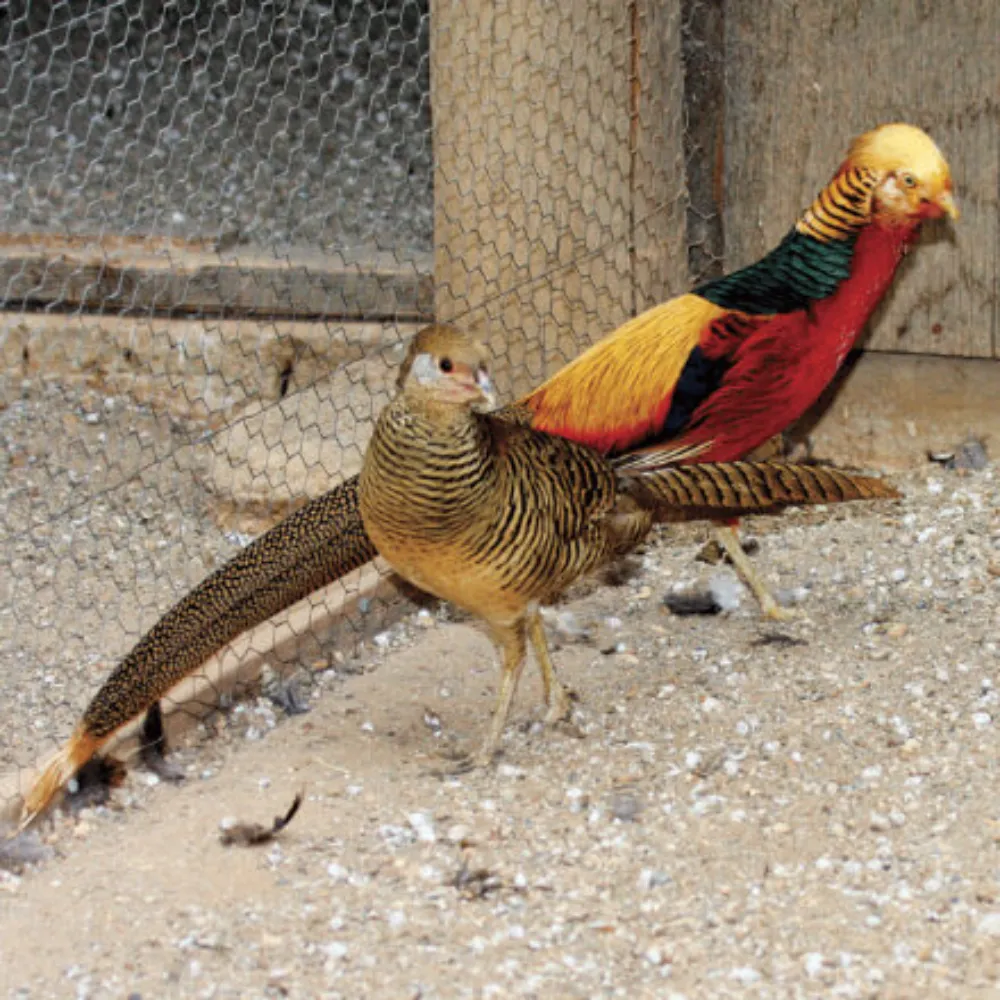
Golden Pheasant (Chrysolophus pictus)
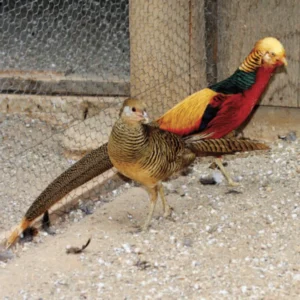
Description: The most spectacular of all pheasants, Golden pheasants are native to the forests of western China. Males are breathtaking—a golden crest, bright red underparts, deep blue wings, and an incredible cape of orange and black that can be raised in display. Females are brown and barred.
Size:
-
Males: 1.5–2 pounds, 35–40 inches including tail
-
Females: 1–1.5 pounds
-
Chicks: 0.5 ounce at hatch
Temperament: More nervous than ringnecks but can become accustomed to keepers. They’re excellent fliers and need secure enclosures.
Purpose: Ornamental display; exhibition; collectors; breeding programs.
Egg Production: 20–30 cream-colored eggs per year. Less prolific than ringnecks.
Care Requirements: Need spacious aviaries with planted cover, high perches, and predator-proof construction. Protect from extreme cold.
Climate Adaptability: Moderate—need shelter from severe cold and wet conditions.
Buyer Suitability: Ornamental collectors; exhibition breeders; experienced aviculturists.
Lady Amherst Pheasant (Chrysolophus amherstiae)
Description: Lady Amherst pheasants are close relatives of Golden pheasants, native to southwestern China and Myanmar. Males display an extraordinary plumage—silver-white nape and crest, green and blue body, and an incredibly long, barred silver tail. The cape is green with black and white tipping. Females resemble Golden females but are slightly larger.
Size:
-
Males: 1.5–2.5 pounds, 40–60 inches including tail
-
Females: 1–1.5 pounds
Temperament: Similar to Goldens—nervous, flighty, requiring secure housing and minimal disturbance.
Purpose: Ornamental display; exhibition; collectors; conservation breeding.
Egg Production: 20–30 cream-colored eggs per year.
Care Requirements: Same as Goldens—spacious planted aviaries, high perches, winter shelter.
Climate Adaptability: Moderate—protect from severe cold and damp.
Buyer Suitability: Serious collectors; exhibition breeders; those with existing aviary experience.
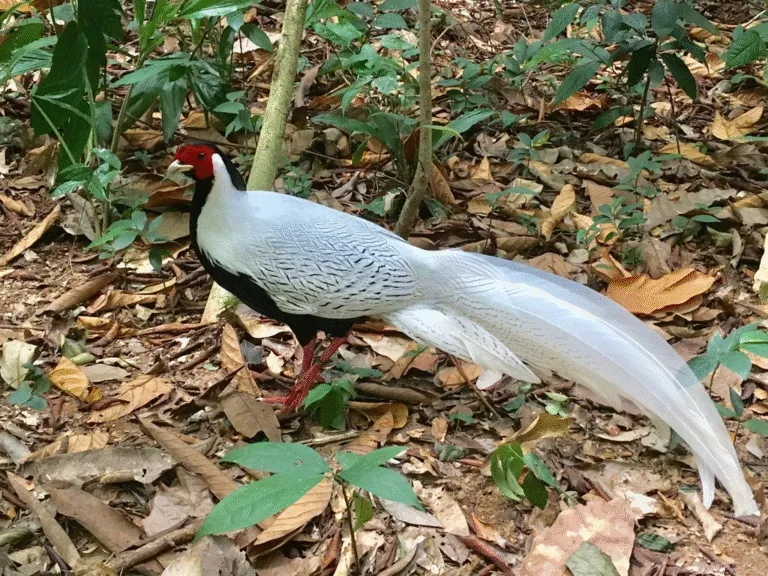
Silver Pheasant (Lophura nycthemera)
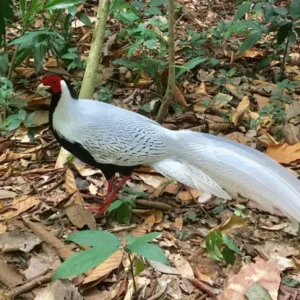
Description: Silver pheasants are native to Southeast Asia and are among the most striking of all pheasants. Males have glossy black underparts and a long, elegant white tail, with silver-white plumage delicately marked with black lines. The face is bright red. Females are olive-brown with black markings.
Size:
-
Males: 3–4 pounds, 35–50 inches including tail
-
Females: 2–3 pounds
Temperament: More confiding than Goldens when hand-raised; can become quite tame. They’re hardy and adaptable.
Purpose: Ornamental display; exhibition; breeding programs; park aviaries.
Egg Production: 20–30 pale brown eggs per year.
Care Requirements: Need spacious aviaries with cover; hardy but appreciate winter shelter.
Climate Adaptability: Good—adaptable to most U.S. climates with proper shelter.
Buyer Suitability: Aviary owners; collectors; those wanting a larger, hardy ornamental pheasant.
Reeves’s Pheasant (Syrmaticus reevesii)
Reeves’s pheasants are native to the forests of central China and are famous for having the longest tail of any bird—males can reach 5–8 feet! Their plumage is golden-brown with black and white markings, and the face is red. They’re large, powerful birds.
Size:
-
Males: 3–4 pounds, 5–8 FEET including tail!
-
Females: 2–3 pounds, 2–3 feet including tail
Temperament: Can be aggressive, especially males during breeding season. Not for beginners. Need very large enclosures.
Purpose: Conservation breeding; collectors; exhibition (for their incredible tails).
Egg Production: 15–25 pale brown eggs per year.
Care Requirements: Need VERY large aviaries (minimum 300 sq ft per pair) to accommodate long tails. Tall perches essential. Provide shelter from extreme weather.
Climate Adaptability: Hardy but need protection from severe cold and wet that can damage tails.
Buyer Suitability: Experienced aviculturists with substantial space; conservation breeders.
Swinhoe’s Pheasant (Lophura swinhoii)
Swinhoe’s pheasants are native to Taiwan and are considered one of the most beautiful pheasant species. Males have glossy black-blue plumage, a white crest, white tail, and bright red facial skin. Females are brown with black markings and a pale crest.
Size:
-
Males: 2–3 pounds, 30–35 inches including tail
-
Females: 1.5–2.5 pounds
Temperament: Generally calm but can be shy. They’re hardy and adaptable.
Purpose: Conservation breeding (species is near-threatened); ornamental display; collectors.
Egg Production: 15–20 cream-colored eggs per year.
Care Requirements: Need spacious planted aviaries with cover; winter shelter appreciated.
Climate Adaptability: Good with proper shelter.
Buyer Suitability: Conservation-minded breeders; serious collectors.
Elliot’s Pheasant (Syrmaticus ellioti)
Description: Elliot’s pheasants are native to southeastern China and are listed as near-threatened. Males have beautiful golden-brown plumage with a white belly, black collar, and bright red facial skin. Females are brown with black markings.
Size:
-
Males: 2–3 pounds, 30–35 inches including tail
-
Females: 1.5–2.5 pounds
Temperament: Generally calm, can become tame with regular interaction.
Purpose: Conservation breeding; ornamental display; collectors.
Egg Production: 15–20 cream-colored eggs per year.
Care Requirements: Need planted aviaries with cover; hardy with winter shelter.
Climate Adaptability: Good with proper shelter.
Buyer Suitability: Conservation breeders; serious collectors.
Mikado Pheasant (Syrmaticus mikado)
Mikado pheasants are native to Taiwan and are considered one of the most striking species. Males have glossy black-blue plumage with white barring on the wings and tail, and bright red facial skin. Females are brown with black markings.
Size:
-
Males: 2–3 pounds, 30–35 inches including tail
-
Females: 1.5–2.5 pounds
Temperament: Generally calm but can be shy. They’re hardy and adaptable.
Purpose: Conservation breeding; ornamental display; collectors.
Egg Production: 15–20 cream-colored eggs per year.
Care Requirements: Need spacious planted aviaries with cover; winter shelter appreciated.
Climate Adaptability: Good with proper shelter.
Buyer Suitability: Conservation-minded breeders; serious collectors.
Tragopan Pheasants (Several Species)
Tragopans are among the most spectacular and sought-after pheasants. Males have incredible, brightly colored inflatable lappets and horns used in courtship displays. Species include Temminck’s Tragopan, Cabot’s Tragopan, Satyr Tragopan, and Blyth’s Tragopan.
Size: 2–4 pounds depending on species
Temperament: Delicate, require specialized care. Not for beginners.
Purpose: Advanced conservation breeding; serious collectors.
Egg Production: 4–8 eggs per year—very rare and valuable.
Care Requirements: Need heavily planted aviaries, specialized diets, and experienced keepers.
Climate Adaptability: Varies by species; most need moderate climates with winter protection.
Buyer Suitability: Advanced aviculturists; conservation breeding programs.
Peacock Pheasants (Genus Polyplectron)
Peacock pheasants are beautifully marked pheasants with iridescent ocelli (eyespots) on their plumage, resembling miniature peafowl. Species include Palawan Peacock Pheasant, Grey Peacock Pheasant, Malayan Peacock Pheasant, and Bornean Peacock Pheasant.
Size: 1–2 pounds
Temperament: Shy, secretive, need heavily planted aviaries. Delicate.
Purpose: Conservation breeding; collectors; exhibition.
Egg Production: 4–8 eggs per year.
Care Requirements: Need densely planted aviaries with plenty of cover; tropical species need heated winter shelter.
Climate Adaptability: Tropical species need heated housing in winter.
Buyer Suitability: Experienced aviculturists with tropical bird experience.
Cheer Pheasant (Catreus wallichii)
Description: Cheer pheasants are native to the Himalayas and are listed as vulnerable. They’re more subdued in color but elegant, with grey-brown plumage and long crests.
Size: 2–3 pounds
Temperament: Generally calm, can become tame.
Purpose: Conservation breeding; collectors.
Egg Production: 15–20 eggs per year.
Care Requirements: Need spacious aviaries; hardy but appreciate winter shelter.
Climate Adaptability: Good—they’re from high altitudes.
Buyer Suitability: Conservation breeders; collectors.
Blood Pheasant (Ithaginis cruentus)
Description: Blood pheasants are unique among pheasants, living at the highest altitudes of any pheasant (up to 15,000 feet in the Himalayas). Males have grey plumage with dramatic red streaks—like blood spatter. They’re small and hardy.
Size: 1–1.5 pounds
Temperament: Can be aggressive with each other; need careful management.
Purpose: Conservation breeding; collectors; cold-climate aviaries.
Egg Production: 6–12 eggs per year.
Care Requirements: Need cold-hardy housing; actually prefer cooler temperatures; can suffer in heat.
Climate Adaptability: Excellent cold tolerance; need cooling in summer.
Buyer Suitability: Experienced aviculturists in colder regions.
Kalij Pheasant (Lophura leucomelanos)
Description: Kalij pheasants are native to the Himalayas and Southeast Asia. Several subspecies exist with varying coloration from black to silver. Males are glossy black or silver, females brown.
Size: 2–3 pounds
Temperament: Generally calm, hardy, good for beginners.
Purpose: Ornamental display; collectors.
Egg Production: 15–20 eggs per year.
Care Requirements: Need standard pheasant aviary with cover.
Climate Adaptability: Good with shelter.
Buyer Suitability: Good beginner ornamental pheasant.
Pheasant Species Comparison Table
| Species | Male Weight | Tail Length | Difficulty | Eggs/Year | Conservation Status |
|---|---|---|---|---|---|
| Ring-necked Pheasant | 2.5–3.5 lbs | 20–25″ | Beginner | 40–60 | Least Concern |
| Golden Pheasant | 1.5–2 lbs | 30–35″ | Intermediate | 20–30 | Least Concern |
| Lady Amherst Pheasant | 1.5–2.5 lbs | 40–60″ | Intermediate | 20–30 | Least Concern |
| Silver Pheasant | 3–4 lbs | 30–45″ | Intermediate | 20–30 | Least Concern |
| Reeves’s Pheasant | 3–4 lbs | 5–8 FEET! | Advanced | 15–25 | Vulnerable |
| Swinhoe’s Pheasant | 2–3 lbs | 25–30″ | Intermediate | 15–20 | Near Threatened |
| Elliot’s Pheasant | 2–3 lbs | 25–30″ | Intermediate | 15–20 | Near Threatened |
| Mikado Pheasant | 2–3 lbs | 25–30″ | Intermediate | 15–20 | Near Threatened |
| Tragopan spp. | 2–4 lbs | 8–12″ | Advanced | 4–8 | Varies (Vulnerable) |
| Peacock Pheasant spp. | 1–2 lbs | 10–15″ | Advanced | 4–8 | Varies (Threatened) |
| Cheer Pheasant | 2–3 lbs | 15–20″ | Intermediate | 15–20 | Vulnerable |
| Blood Pheasant | 1–1.5 lbs | 8–10″ | Advanced | 6–12 | Least Concern |
| Kalij Pheasant | 2–3 lbs | 20–25″ | Beginner | 15–20 | Least Concern |
Pheasant Pricing Guide (2026)
| Species | Chicks (day-old) | Started (6–12 weeks) | Adults (pair) | Hatching Eggs (dozen) |
|---|---|---|---|---|
| Ring-necked Pheasant | $2–5 | $10–20 | $40–80 | $20–40 |
| Golden Pheasant | $15–25 | $40–60 | $150–250 | $50–100 |
| Lady Amherst Pheasant | $20–35 | $50–80 | $200–350 | $60–120 |
| Silver Pheasant | $15–30 | $40–70 | $175–300 | $50–100 |
| Reeves’s Pheasant | $25–40 | $60–100 | $250–500 | $80–150 |
| Swinhoe’s Pheasant | $30–50 | $80–150 | $350–600 | $100–200 |
| Elliot’s Pheasant | $30–50 | $80–150 | $350–600 | $100–200 |
| Mikado Pheasant | $40–75 | $100–200 | $500–1,000 | $150–300 |
| Tragopan spp. | $100–200 | $300–600 | $1,000–3,000 | $300–600 |
| Peacock Pheasant spp. | $50–100 | $150–300 | $600–1,500 | $150–300 |
| Cheer Pheasant | $40–70 | $100–200 | $400–800 | $100–200 |
| Blood Pheasant | $50–100 | $150–300 | $500–1,000 | $150–300 |
| Kalij Pheasant | $15–30 | $40–70 | $175–300 | $50–100 |
Factors Affecting Price:
-
Species: Rare and threatened species command premium prices
-
Age: Adults cost more than chicks
-
Sex: Males cost more than females for ornamental species
-
Pairing: Bonded pairs cost more than unsexed birds
-
Bloodline: Show-quality lines cost more
-
Proven breeders: Proven pairs cost premium
Pheasant Eggs vs. Chicks vs. Adults: What to Buy
| Option | Pros | Cons | Best For |
|---|---|---|---|
| Hatching Eggs | Lowest cost; shipping easiest; hatching experience | Need incubator; hatch rates variable; sex unknown; chicks need brooder | Experienced hatchers; those wanting quantity |
| Day-old Chicks | Bond with keeper; lower cost; learn behavior | Need brooder care; sex unknown; higher mortality | Those with brooding experience |
| Started (6–12 weeks) | Past fragile stage; sex often determinable; easier care | Higher cost; less bonding | Beginners; those wanting easier start |
| Adults | Immediate breeding potential; known sex; established | Highest cost; may not tame; longer shipping stress | Breeders; those wanting immediate results |
| Breeding Pairs | Immediate breeding; proven compatibility | Highest cost; may need acclimation | Serious breeders |
Pheasant Care Guide
Housing Requirements
General Principles:
-
Space: More is ALWAYS better. Pheasants need room to fly and exercise.
-
Cover: Planted aviaries with shrubs, tall grass, and hiding spots reduce stress
-
Height: Minimum 6–8 ft for most species; taller for long-tailed species
-
Security: Predator-proof with hardware cloth, buried apron, and covered top
Minimum Space Recommendations:
| Species Group | Minimum Aviary Size (per pair) | Notes |
|---|---|---|
| Ring-necked, Kalij | 100 sq ft (10×10 ft) | Flighty, need space |
| Golden, Lady Amherst | 150 sq ft (10×15 ft) | Nervous, need cover |
| Silver | 200 sq ft (10×20 ft) | Larger birds |
| Reeves’s | 300+ sq ft (15×20+ ft) | Must accommodate tail |
| Tragopan, Peacock Pheasant | 200 sq ft heavily planted | Shy, need dense cover |
Night Shelter:
-
Provide a secure, dry shelter for roosting
-
Size: 4×8 ft minimum per pair
-
Perches: 2×4 inch boards at varying heights
-
Bedding: Pine shavings, straw, or sand
-
Ventilation: Good airflow, no drafts
-
Heating: Rarely needed except for tropical species; provide if below freezing for sensitive birds
Feeding
Species-Specific Diets:
| Species | Feed Type | Protein % | Notes |
|---|---|---|---|
| Ring-necked | Game bird maintenance | 16–18% | Hardy, adaptable |
| Golden, Lady Amherst | Game bird breeder | 18–20% | Need higher protein during molt/breeding |
| Silver | Game bird maintenance | 16–18% | Standard diet |
| Reeves’s | Game bird breeder | 18–20% | Larger birds need quality nutrition |
| Tragopan | Specialized softbill diet | 20–22% | Require fruit, greens, live food |
| Peacock Pheasant | Softbill/game bird mix | 18–20% | Need fruit, insects |
| Blood Pheasant | High-fiber game bird | 16–18% | Need greens, browse |
General Feeding Guidelines:
-
Chicks (0–8 weeks) : Game bird starter, 24–28% protein
-
Growers (8–20 weeks) : Game bird grower, 20–22% protein
-
Adults: Game bird maintenance/breeder as appropriate
-
Grit: Free-choice, essential for digestion
-
Oyster shell: For laying hens
-
Greens: Offer daily—lettuce, kale, spinach, chopped vegetables
-
Live food: Mealworms, crickets for insectivorous species
-
Fruit: Offer to species that enjoy it (Tragopan, Peacock Pheasant)
Water:
-
Fresh, clean water daily
-
Heated waterers in freezing weather
-
Multiple stations in large aviaries
Health Management
Common Issues:
-
Coccidiosis: Common in chicks—use medicated starter or prevent with clean conditions
-
Respiratory infections: Ensure good ventilation
-
External parasites: Mites, lice—provide dust baths with diatomaceous earth
-
Internal parasites: Worms—regular deworming program
-
Bumblefoot: Keep perches clean, avoid injuries
-
Crop issues: Ensure grit available
-
Stress-related disorders: Provide cover, minimize disturbance
Preventive Care:
-
Annual health checks
-
Clean housing regularly
-
Quarantine new birds 30–60 days
-
Fecal exams annually
-
Vaccinate for fowl pox if recommended
Signs of Healthy Pheasants:
-
Bright, alert eyes
-
Clean, glossy plumage
-
Active foraging
-
Good appetite
-
Clear nostrils
-
Strong legs and feet
Breeding Management
Breeding Season: Spring through early summer (species vary)
Pairing:
-
Most pheasants breed best in pairs (1 male : 1 female)
-
Some species can be trios (1 male : 2–3 females) but watch for aggression
-
Reeves’s males can be aggressive—often best kept separate from females except for breeding
Nesting:
-
Provide secluded nesting areas with tall grass, brush piles, or nest boxes
-
Peahens prefer hidden ground nests
-
Tragopans may nest on low platforms
Egg Production:
-
Varies by species (see table above)
-
Eggs laid every 1–2 days
-
Remove eggs daily if using incubator
-
Leave some if hen is broody (some species are good mothers)
Incubation:
-
Period: 22–28 days depending on species
-
Temperature: 99.5°F (forced air)
-
Humidity: 45–55% days 1–last 3 days, then 65–70%
-
Turn eggs: 3–5 times daily
-
Lockdown: Last 3 days, increase humidity, stop turning
Brooding Chicks:
-
Brooder temperature: 95°F first week, decrease 5°F weekly
-
Heat source: Heat lamp or brooder
-
Bedding: Paper towels first week, then pine shavings
-
Feed: Game bird starter (24–28% protein)
-
Water: Chick waterer with marbles to prevent drowning
-
Space: Increase as they grow
-
Cover: Provide hiding spots to reduce stress
Pheasant Conservation & Ethics
The Role of Captive Breeding
Many pheasant species face threats in the wild due to habitat loss and hunting. Captive breeding programs play a crucial role in:
-
Genetic diversity preservation
-
Population reinforcement
-
Research and education
-
Preventing extinction of critically endangered species
Responsible Breeding Practices
-
Breed only NPIP-certified, disease-free stock
-
Maintain accurate pedigree records
-
Avoid inbreeding—rotate breeding stock
-
Participate in species survival plans for threatened species
-
Never release captive-bred birds without proper authorization (can introduce diseases to wild populations)
Our Commitment
OrderExoticPoultry.com partners with conservation breeding programs and maintains separate bloodlines for rare and threatened species. We provide lineage documentation and support conservation efforts through selective breeding.
Legal Considerations
Permits and Regulations
-
NPIP Certification: Required for interstate transport
-
State permits: Some states require permits for exotic birds
-
CITES permits: Required for international trade of threatened species
-
Local ordinances: Check zoning for keeping game birds
-
Release restrictions: Never release captive pheasants without authorization
Interstate Shipping
All pheasants shipped from OrderExoticPoultry.com include NPIP certification documentation. We comply with all state and federal regulations for live bird transport.
Why Choose OrderExoticPoultry.com
Health Guarantees
Every pheasant ships with our comprehensive 48-hour health guarantee. Given the significant investment rare species represent, we provide enhanced coverage and personally inspect each bird before shipping.
NPIP Compliance
Our breeding facilities maintain active National Poultry Improvement Plan certification (NPIP #XX-XXXX), ensuring your birds come from pullorum-typhoid clean stock. We provide official documentation with every shipment—essential for interstate transport.
Premier Bloodlines
We maintain separate breeding programs for over 20 pheasant species, with documented lineage and emphasis on genetic diversity and species-typical characteristics.
Species-Specific Expertise
Our team includes specialists for each species group—from hardy ringnecks to delicate tragopans. We provide personalized guidance for your chosen birds.
Ethical Breeding Standards
We limit breeding pairs to preserve genetic diversity and prevent inbreeding. Our pheasants receive spacious, species-appropriate housing, premium nutrition, and individual attention.
Live Arrival Guarantee
We guarantee live delivery of all poultry shipments to all 50 states. We use specialized packaging and priority/express services for all pheasant shipments.
U.S. Shipping Expertise
With specialized experience shipping all types of game birds, we understand the logistics of safe pheasant transport. We monitor weather patterns nationwide and delay shipments when conditions threaten safety.
Transparency & Trust Signals
-
Open farm visits by appointment
-
Verified customer reviews from pheasant buyers
-
Third-party health certifications available
-
Detailed breeding records and lineage documentation
-
Member of avicultural societies and conservation organizations
Shipping & Delivery Across the U.S.
Safe Transport Methods for Pheasants
All pheasant shipments receive species-appropriate handling:
-
Hatching eggs: Cushioned packaging, temperature-controlled, tracking
-
Day-old chicks: Specialized ventilated containers with hydrated gel packs; heat packs in cold weather
-
Started and adult birds: Individual compartments preventing injury; secure perching; temperature-controlled packaging
What Customers Receive
-
Healthy, inspected pheasants matching your exact order
-
NPIP certification documentation with flock ID
-
Detailed lineage documentation where available
-
Species-specific care guide
-
Contact information for post-arrival support
-
Discount code for future orders
-
Access to private aviculture community
Timeline Expectations
-
Hatching eggs: Weekly shipments with tracking
-
Day-old chicks: Ship Monday–Wednesday via priority express; arrive within 1–2 days
-
Started birds (6–12 weeks) : Scheduled shipments based on weather; 1–2 day express transit
-
Adults and breeding pairs: Custom shipping arrangements; 1-day express delivery with arrival coordination
Buyer Reassurance
We maintain species-specific temperature guidelines and delay shipments when conditions threaten safety. Our shipping team contacts every buyer with tracking and detailed arrival instructions.
FAQ Section: Pheasants for Sale
Q: How much do pheasants cost?
A: Pheasant prices vary widely by species. Common ringnecks: $2–5 per chick. Golden pheasants: $15–25 per chick. Rare species like Tragopans: $100–200 per chick. Adults and breeding pairs cost significantly more. See our pricing guide above.
Q: What is the most colorful pheasant?
A: The Golden Pheasant is widely considered the most spectacular, with its brilliant golden crest, red body, and orange-and-black cape. Lady Amherst and Swinhoe’s are also exceptionally beautiful.
Q: How long do pheasants live?
A: Lifespan varies by species: Ring-necked pheasants 5–8 years; Golden pheasants 8–12 years; larger species like Silver and Reeves’s 10–15 years with excellent care.
Q: What do pheasants eat?
A: Feed game bird feed appropriate for age and species (16–28% protein). Supplement with greens, vegetables, fruit, and live food for insectivorous species. Always provide grit.
Q: Can pheasants live with chickens?
A: Generally NOT recommended. Pheasants are more susceptible to certain diseases chickens carry (like blackhead). They also have different nutritional needs and can be stressed by chickens’ more aggressive behavior.
Q: Do pheasants need a coop?
A: Pheasants need secure night shelter and spacious aviaries. They do not typically use nest boxes like chickens but need covered, predator-proof housing.
Q: How much space do pheasants need?
A: Minimum 100 sq ft per pair for hardy species, up to 300+ sq ft for Reeves’s and other large, long-tailed species. More space always better.
Q: Are pheasants easy to raise?
A: Ring-necked pheasants and Kalij are good for beginners. Golden and Lady Amherst are intermediate. Reeves’s, Tragopans, and Peacock Pheasants require advanced experience.
Q: When do pheasants lay eggs?
A: Pheasants lay in spring and early summer, typically April–July. Number of eggs varies by species from 4–60 per year.
Q: How long do pheasant eggs take to hatch?
A: Incubation period is 22–28 days depending on species. Ring-necked: 23–24 days; Golden/Lady Amherst: 22–23 days; Reeves’s: 24–25 days; Tragopans: 27–28 days.
Q: Can I hatch pheasant eggs in an incubator?
A: Yes, with proper temperature (99.5°F) and humidity control. Game bird eggs require careful monitoring. We provide detailed incubation guides with egg purchases.
Q: Do I need a permit to buy pheasants?
A: Most common species don’t require permits for personal keeping, but check local zoning. Interstate shipping requires NPIP certification. Rare/CITES-listed species may require permits.
Q: What is NPIP certification?
A: NPIP (National Poultry Improvement Plan) certification ensures birds are tested for pullorum-typhoid and come from clean stock. Essential for interstate transport and reputable breeding.
Q: Do you ship pheasants?
A: Yes—OrderExoticPoultry.com ships pheasants nationwide with live arrival guarantees. We use species-appropriate packaging and priority express services.
Q: What is your live arrival guarantee?
A: We guarantee live delivery of all pheasant shipments. In the unlikely event of transit issues, we offer immediate resolution—replacement or refund. We monitor weather and delay shipments when conditions threaten safety.
Q: Should I buy eggs, chicks, or adults?
A: Eggs are cheapest but require incubator and brooder. Chicks bond better but need intensive care. Adults provide immediate results but cost more. Choose based on your experience and goals.
Q: What pheasant is best for a beginner?
A: Ring-necked pheasants are the hardiest and easiest. Kalij pheasants are also good beginners’ ornamental birds. Golden pheasants are manageable for those with some game bird experience.
Q: What is the rarest pheasant you sell?
A: Availability varies, but Tragopans, Mikado, and certain Peacock Pheasants are among the rarest. Contact us for current availability of rare species.
Q: Do you sell pheasant meat?
A: Yes, we offer dressed pheasant for sale seasonally. Contact us for availability. We primarily focus on live birds for breeding and aviculture.
Acquire the World’s Most Colorful Game Birds
Extensive Species Selection: We offer the widest selection of pheasant species available—from common ringnecks to the rarest tragopans and peacock pheasants.
Current Availability:
| Species | Eggs | Chicks | Started | Adults | Pairs | Notes |
|---|---|---|---|---|---|---|
| Ring-necked Pheasant | ✓ Available | ✓ Available | ✓ Available | ✓ Available | ✓ Available | Hardy beginner bird |
| Golden Pheasant | ✓ Available | Limited | Limited | Limited | Contact | Spectacular color |
| Lady Amherst Pheasant | Limited | Limited | Contact | Contact | Contact | Stunning patterns |
| Silver Pheasant | ✓ Available | Limited | Limited | Contact | Contact | Elegant white |
| Reeves’s Pheasant | Limited | Limited | Contact | Contact | Contact | Longest tail |
| Swinhoe’s Pheasant | Limited | Contact | Contact | Contact | Contact | Conservation priority |
| Elliot’s Pheasant | Limited | Contact | Contact | Contact | Contact | Near-threatened |
| Mikado Pheasant | Rare | Contact | Contact | Contact | Contact | Striking black |
| Tragopan spp. | Contact | Contact | Contact | Contact | Contact | Very rare |
| Peacock Pheasant spp. | Contact | Contact | Contact | Contact | Contact | Tropical specialties |
| Cheer Pheasant | Contact | Contact | Contact | Contact | Contact | Vulnerable species |
| Blood Pheasant | Contact | Contact | Contact | Contact | Contact | High-altitude specialty |
| Kalij Pheasant | ✓ Available | Limited | Limited | Contact | Contact | Good beginner ornamental |
Secure Your Pheasants Today:
-
Browse available species and select your birds
-
Choose age/type (eggs, chicks, started, adults, pairs)
-
Place your deposit to secure your place in our hatching/availability schedule
-
Receive confirmation and estimated shipment/delivery date
-
Prepare your aviary for your new arrivals
Breeder Programs:
Developing a pheasant breeding program? We offer:
-
Wholesale pricing on breeding pairs and trios
-
Species-specific genetic consultation
-
Lineage documentation and breeding records
-
Conservation breeding guidance
-
Ongoing breeder support and community access
Early Reservations Essential
Rare species and limited seasonal availability mean many birds are presold months in advance. Contact us immediately to discuss current availability and waitlist status.
ORDER PHEASANTS FOR SALE NOW
NPIP Certified • Live Arrival Guaranteed • Rare Species • Conservation Focus • Nationwide Shipping
Why Choose Us for Your Pheasants?
-
Over 20 species available—common to critically rare
-
Eggs, chicks, started, and adult birds available
-
Conservation-focused breeding for threatened species
-
Species-specific care guidance from specialists
-
Health-guaranteed, NPIP-certified birds
-
Expert shipping with live arrival guarantee
-
Ongoing support from pheasant specialists
| Breed | Lady Amherst, Golden, Ring neck, Silver |
|---|---|
| Gender | Hen, Rooster |
Be the first to review “Pheasants for sale”
Related products
Exotic Chicken Breeds
Exotic Chicken Breeds
Exotic Chicken Breeds
Exotic Chicken Breeds
Exotic Chicken Breeds
Exotic Chicken Breeds
Exotic Chicken Breeds
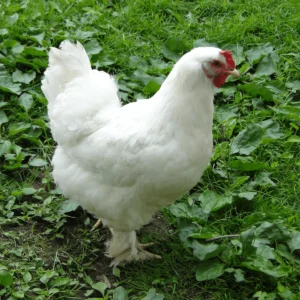
Exotic Chicken Breeds
Reviews
There are no reviews yet.