
Uncategorized
Turn your yard into profit: a practical beginner’s guide to backyard poultry
Jun
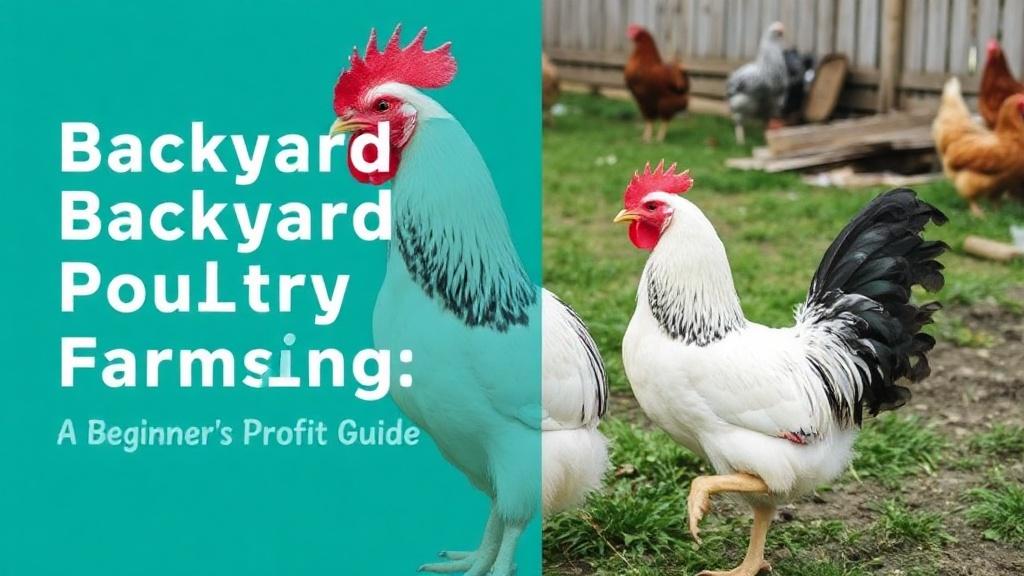
Backyard Poultry Farming: A Beginner’s Profit Guide is more than a how-to — it’s a roadmap for turning a few hens and a small patch of land into steady household food and extra income. This article walks you through practical choices, realistic costs, and marketing ideas so you keep birds healthy and profitable without overextending yourself. Expect clear examples, simple tables, and a step-by-step mindset tailored to first-time keepers who want poultry income that actually adds up.
Why people choose backyard poultry
Placing birds in your backyard answers several needs at once: fresh eggs, reliable meat, and natural fertilizer for the garden. Many starters are drawn to the idea of knowing exactly where their food comes from and the possibility of reducing grocery bills. Beyond that, birds can be low-maintenance compared with larger livestock, which makes poultry a practical choice for suburban and small-acreage homesteads.
There’s also a financial side. Properly managed, a small flock produces consistent revenue streams from eggs, chicks, or processed birds, and that poultry income can offset startup costs within a season or two. But profitability depends on choosing the right breed, controlling feed costs, and finding smart sales channels.
Finally, keeping chickens adds rhythm to daily life. The work is physical and satisfying — cleaning coops, collecting eggs, watching chicks grow — and it connects you to seasonal cycles. For many beginners, this combination of practical returns and simple pleasure is the decisive reason they start.
Deciding your goals: eggs, meat, or both?
Before you buy birds, clarify what you want. Egg layers deliver steady daily income and consistent household value. Meat birds grow quickly and provide bulk returns but require short-term intensive care and processing. Dual-purpose breeds offer flexibility but typically underperform specialized lines in either eggs or meat.
Choosing a goal shapes every decision that follows: housing size, feed type, breed choice, and marketing strategy. For example, a small urban setup optimized for eggs needs secure nesting boxes and frequent egg collection, while raising broilers demands thicker bedding and a plan for humane processing.
Most beginners find starting with a flock focused on eggs easier: slower growth allows you to learn disease prevention, coop maintenance, and record-keeping without a tight slaughter timeline. Once you’ve mastered daily care and sales, adding meat birds or breeding stock becomes a manageable next step.
Choosing the right breeds for profit and suitability
Breed selection matters. Some chickens are prolific layers but smaller, producing smaller eggs; others are robust dual-purpose birds that lay reasonably and provide decent carcass weight. For those pursuing poultry income, consistency and temperament are critical: calm birds are easier to handle and sell to neighbors and local buyers.
Below are common options that beginners find profitable and forgiving. Short notes explain the typical advantages so you can match breed to goal and climate.
- Rhode Island Red — Reliable layer, hardy in varied climates, good dual-purpose option.
- Leghorn — High egg production and economical feed conversion, but flighty temperament.
- Plymouth Rock — Good all-rounder, calm, and suitable for small farms and families.
- Orpington — Gentle, good broody tendencies, decent meat quality, slower to start laying.
- ISA Brown / Hy-Line Brown — Commercial hybrids with strong egg output, suitable for small commercial ventures.
Consider local availability. Specialty or heritage breeds can command higher prices from niche buyers, but widespread hybrids often give the best balance of feed efficiency and egg production. Match the breed to your sales outlet: farmers markets and farm-to-table buyers may pay a premium for heritage birds, while regular egg customers appreciate consistency and price.
How many birds should you start with?
Start small. Ten to twenty laying hens is a common and sensible range for beginners who want real income without overwhelming care. This number fits easily in many backyard coops, provides a steady egg supply, and reduces the shock of disease or predator losses. It also keeps feed costs manageable while you learn.
Scale decisions should consider family consumption and sales goals. A rule of thumb: one productive hen can lay about 4.5–5.5 eggs per week under good conditions. If your goal is to sell a dozen eggs per week, five to six hens may suffice after accounting for seasonal dips. Factor in reserve birds for molting, illness, or unexpected losses.
Starting with a mixed group — a core of reliable layers and one or two dual-purpose birds — reduces risk. You’ll also want a small contingency of chicks or pullets available, either hatched by you or by a trusted local supplier, so you can replace birds as productivity changes.
Startup costs: realistic estimates and breakeven timelines
Initial expenses include coop construction or purchase, feeders and waterers, bedding, birds, and the first several months of feed. Labor is usually family-provided at first, but it’s wise to value your time when calculating true profitability. Unexpected costs — veterinarian visits, predator repairs — are part of the first season.
The table below shows a simple startup scenario for a 20-hen flock, with conservative prices. Your local costs will vary, especially for land, labor, and permits, but this gives a practical baseline to work from.
| Item | Estimated cost (USD) | Notes |
|---|---|---|
| Coop (materials or small prebuilt) | $600 | DIY reduces cost; predator-proofing is essential |
| Feeders & waterers | $100 | Durable plastic or metal units |
| Bedding and initial supplies | $75 | Shavings, nest boxes, first-aid kit |
| 20 pullets (4–6 months) | $240 | $12 per bird on average |
| Miscellaneous (vaccination, tools) | $85 | Includes basic vaccines and treatments |
| Total initial cost | $1,100 |
Monthly running costs will be dominated by feed, roughly $8–$12 per bird per month for laying hens depending on feed prices and supplement strategy. If each hen produces five eggs weekly and you sell eggs at $4 per dozen, a 20-hen flock could produce about 400 eggs per month — grossing roughly $133. Subtract feed and other expenses to find net poultry income.
Breakeven timing varies widely. In the example above, if you net $60–$80 per month after expenses, expect to recoup initial investment within a year or two. Efficiency, higher egg pricing, value-added products (like flavored eggs or pre-packed cartons), and lower construction costs accelerate returns.
Housing essentials: design, space, and predator proofing
A healthy flock begins with a good coop. Key priorities are ventilation, dry bedding, nesting privacy, and secure fencing. Proper ventilation prevents respiratory problems; dry bedding reduces parasites and ammonia buildup; and secure fences stop predators like raccoons and foxes from turning your flock into prey.
Space matters. For standard laying hens, provide at least 3–4 square feet per bird inside the coop and 8–10 square feet in an attached run. Overcrowding leads to stress, feather pecking, and lower egg production. If you plan on mobile systems or rotational foraging, adjust these numbers accordingly to prevent overgrazing.
Predator-proofing is non-negotiable. Use hardware cloth instead of chicken wire, install latches that raccoons cannot manipulate, and bury fencing a foot into the ground to deter digging predators. Motion-sensor lights and automatic coop doors add convenience and an extra layer of protection for a modest cost.
Feeding strategies and cost control
Feed is your largest recurring cost, so optimizing feed strategy directly impacts poultry income. A complete layer feed is essential for laying hens; it contains balanced protein, calcium, and other nutrients for reliable egg output. For broilers, starter and grower feeds with higher protein ratios support rapid growth.
Supplement with kitchen scraps, garden greens, and foraged insects to lower feed bills and enrich egg quality, but do so carefully. Avoid salty or moldy kitchen waste, and ensure scraps do not displace balanced feed. Grit is necessary if birds free-range to aid digestion when eating whole grains or small stones.
Monitoring feed conversion is worth the effort. Track pounds of feed consumed per dozen eggs produced; many backyard flocks average roughly 3–4 pounds of feed per dozen eggs, but well-managed flocks, especially with foraging, can do better. Buying feed in bulk, storing it properly, and comparing local suppliers saves money over time.
Health, vaccination, and basic veterinary care
Preventive care is simpler and cheaper than treating outbreaks. Learn common signs of illness: reduced appetite, decreased egg production, pale combs, unusual droppings, and lethargy. Quarantine new birds for at least two weeks to avoid introducing disease to your established flock.
Vaccination depends on local disease pressure. Some regions recommend vaccines against Marek’s disease or coccidiosis, especially for chicks. Work with a local extension office or a poultry-savvy veterinarian to design a sensible vaccination plan that matches your risk level and budget.
Record treatments and outcomes. Keep a small notebook or spreadsheet tracking bird IDs, laying history, medications, and mortality. This data helps you spot trends early, identify underperforming stock, and make confident culling or breeding decisions to improve herd health and long-term poultry income.
Managing seasons: light, molting, and egg cycles
Egg production is seasonal. Most breeds will lay less in short, cold days and during molt. Artificial lighting extends laying seasons but increases electricity costs and requires careful timing to avoid stressing birds. Aim for a consistent 14–16 hours of light for peak laying during winter if you choose to supplement.
Understanding molt helps with planning. When birds molt, they shed and regrow feathers and usually stop laying. Molting can last several weeks; during this time, increase protein in feed to support feather regrowth if you want a faster recovery. Alternatively, accept the natural rest period and plan sales and income expectations around it.
Staggering ages in your flock smooths income. Instead of purchasing all pullets at once, bring in new layers periodically so some birds are always at peak production. This approach reduces large dips in egg supply and stabilizes poultry income across seasons.
Collecting, grading, and presenting eggs for sale
Clean, well-packaged eggs sell better. Collect eggs at least once daily, more often in hot weather to prevent spoilage and breakage. Avoid washing eggs unless necessary; if you wash them, dry and refrigerate promptly because washing removes the bloom that helps preserve freshness.
Grade eggs visually and by size. Many customers prefer large or extra-large eggs, so separate sizes into appropriately priced cartons. Use simple labeling that includes your farm name, packing date, and any certifications (organic or pasture-raised) to build trust and brand recognition.
Presentation matters. Clean cartons, clear pricing, and friendly signage at markets or roadside stands make a difference. Consider offering half-dozen options, mixed-egg packs, or subscription plans for regular customers to increase repeat sales and predictability of poultry income.
Marketing strategies that grow poultry income
Small producers succeed when they combine product quality with smart outreach. Farmers markets, local cafes, community-supported agriculture (CSA) boxes, and neighborhood delivery all work. Each channel has trade-offs: markets pay well but require time, while selling to local stores gives volume but often lower margins.
Build relationships. Chefs and small grocers value reliable supply and consistent quality more than the lowest price. Offer a trial batch, communicate clearly about availability, and deliver on time. Over months, those partnerships often become steady accounts that boost predictable poultry income.
Use social media and simple email lists to keep customers informed about egg availability, hatching updates, or seasonal specials. Authentic photos of birds and the care you take with them resonate with customers and justify premium pricing when warranted.
Value-added products and diversifying revenue
Beyond selling loose eggs, you can increase revenue by offering value-added items: baked goods made with your eggs, branded cartons, pre-sold egg subscriptions, or educational workshops. These products capture a higher price per unit than raw eggs alone. Evaluate which add-ons fit your time and skills before committing.
Consider seasonal opportunities. Holiday gift boxes, flavored or colored eggs for special events, and farm tours for children diversify income streams and attract new customers. Each of these efforts builds brand recognition and deepens local market penetration without a huge increase in overhead.
Farm-to-table collaborations are another avenue. Partner with local restaurants, bakeries, or bakers who highlight provenance. A chef’s endorsement can be powerful marketing and provide consistent orders that support modest scale-up without heavy advertising costs.
Record-keeping, pricing, and profitability analysis
Good bookkeeping is a competitive advantage. Track feed costs, veterinary expenses, utilities, and time invested alongside revenue for eggs, meat, and services. Simple spreadsheets reveal where margins are thin and where you can squeeze efficiency to increase poultry income.
Price with purpose. Consider variable pricing by channel, higher rates for premium products, and discounts for bulk buyers. Calculate break-even prices by dividing total costs by expected production and add a margin that values your labor and allows reinvestment.
Review numbers quarterly. Seasonal shifts, feed price fluctuations, and flock performance change profitability rapidly. Small adjustments — changing feed brand, improving coop insulation, or altering sale packaging — can shift your bottom line meaningfully if guided by tidy records.
Legal considerations: zoning, licensing, and food safety
Check local zoning laws and ordinances before committing to a flock. Many municipalities have restrictions on flock size, setbacks from property lines, and noise. Violating local rules can result in fines or forced removal, so do this homework early to avoid unpleasant surprises.
Food safety rules matter if you sell eggs or meat. Some states require a license or registration, and selling across state lines often complicates matters. Labeling requirements vary by jurisdiction; be sure your cartons include necessary information and that you follow basic sanitation standards to protect customers and your business.
Liability insurance is inexpensive and worth considering once you start selling at markets or inviting customers to your property. It reduces personal risk and signals professionalism to business partners like restaurants or retailers.
Scaling up: when and how to expand profitably
Scale only if demand and systems support it. Adding birds increases complexity: more feed, more waste to manage, and greater disease risk. Expand incrementally while maintaining quality and the trust of your buyers. A slow, methodical approach keeps operations manageable and profitable.
Invest in labor-saving equipment when justified. Automatic waterers, larger feed storage, and efficient waste-handling systems reduce day-to-day time burdens. These investments often pay for themselves by freeing hours for marketing or adding a few more dozen eggs to your weekly sales.
Outsource strategically. Contract processing for meat birds, partner with a local distributor for larger orders, or hire part-time help during peak seasons. Smart outsourcing lets you grow poultry income without stretching family labor to breaking point.
Common mistakes beginners make and how to avoid them
Overbuying birds is a frequent error. Enthusiasm often leads to purchasing too many chicks; high mortality or disease can turn that excitement into loss. Start with a manageable flock size and scale after mastering basics like feed, shelter, and health checks.
Underestimating predator pressure and coop security is another common issue. Many newcomers use chicken wire instead of hardware cloth or neglect to secure feed. These small oversights invite problems that are costly in both time and bird loss. Spend a little more on prevention up front.
Neglecting records and pricing leads to disguised losses. Without tracking costs and production, you may think your operation is profitable when expenses exceed income. Keep clear, weekly records — they’re the fastest route to making improvements that enhance poultry income.
Real-life example: my first year with twenty hens
I started with twenty pullets in a converted garden shed and high hopes. The first month was a learning curve: I adjusted ventilation, learned to manage broodiness, and figured out a collection schedule that fit my lifestyle. The birds were friendlier than I expected and a real draw for neighborhood kids.
By month four, egg production stabilized at about 80% of capacity, and I developed a small customer list among neighbors and a local market stall. Early mistakes — inadequate latches and poor record-keeping — cost a few birds and some eggs, but each problem taught a fix that improved efficiency. Within nine months, I was netting modest but steady poultry income and reinvesting profits into better feeders and a mobile coop.
That first-year experience taught me two things: incremental improvements compound, and buyers reward reliability. After the first year, I increased my flock by ten birds and introduced a small subscription plan that guaranteed a baseline of weekly income and allowed better planning for feed and labor.
Practical startup checklist
Use this checklist as a condensed roadmap for launch. Each item below represents a task you should complete before placing birds on your property. Completing it prevents common pitfalls and keeps early months focused on care rather than emergency fixes.
- Confirm local zoning and licensing requirements.
- Design or buy a predator-proof coop and run.
- Choose breeds aligned with your goals.
- Purchase feeders, waterers, bedding, and basic medications.
- Source chicks or pullets from reputable suppliers and plan quarantine.
- Set up simple records for expenses, production, and treatments.
- Identify sales outlets and begin basic marketing (social media, flyers).
Completing these steps will dramatically increase your chances of a steady start and smoother path to profit. Each check also makes your operation more credible when you approach buyers like restaurants or co-ops who value consistent documentation and hygiene.
Tools, gadgets, and inexpensive upgrades that pay off
Small improvements can yield outsized returns. A simple automatic coop door saves time and reduces the risk of late-night predator attacks. A countertop egg scale and labeled cartons create a professional look that supports premium pricing. Good lighting and insulation reduce seasonal dips in production without huge expenditures.
Solar-powered options help when electricity is costly or unreliable. Solar lights for runs, a timer for supplemental lighting, or a heated water system for extreme winters reduce stress on birds and keep production steadier. These investments repay over several seasons in saved losses and sustained poultry income.
Don’t ignore low-tech fixes. A well-placed tree for shade, raised garden beds integrated with composted bedding, and a secure, lockable feed storage bin protect feed from pests and the elements. These practical measures improve flock health and lower recurring costs.
Final steps to start this season
If you’re ready to begin, set a realistic timeline: coop built or bought, supplies in place, and birds ordered so pullets arrive just before they start laying. Align purchases with local weather and market timing; selling eggs often starts most profitably in spring and summer when production peaks and customers are looking for fresh sources.
Put aside a small contingency fund equal to 10–15% of your initial investment to cover unexpected vet visits or hardware repairs. That cushion prevents a minor setback from becoming a business-threatening problem and keeps your focus on steady improvements that increase poultry income over time.
Finally, treat the first year as a learning investment. Expect to tweak feeding strategies, coop design, and marketing. With patience, clear records, and steady attention to bird health, backyard poultry can shift from a hobby to a dependable source of income and nourishment for you and your community.
