
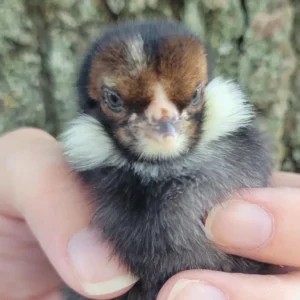
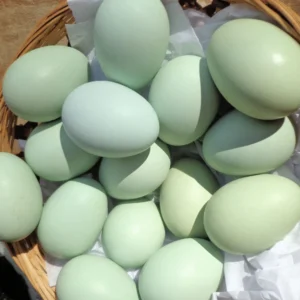
Araucana Chickens for Sale
Price range: $20.00 through $40.00
Araucana chickens are a distinctive and highly sought-after breed known for their beautiful blue eggs, rumpless appearance, and charming personality. Perfect for backyard flocks, specialty egg producers, and breeders, Araucanas add both visual appeal and premium egg value to any poultry operation.
Araucana Chickens For Sale: Blue Egg Layers & Rare Ornamental Poultry
Araucana chickens stand alone in the poultry world—the only breed that lays true blue eggs while sporting distinctive ear tufts and a rumpless appearance that turns heads at every exhibition. Native to South America and perfected by generations of dedicated breeders, these rare ornamental birds combine show-stopping aesthetics with reliable backyard performance. At OrderExoticPoultry.com, we connect discerning poultry enthusiasts with NPIP-certified, health-guaranteed araucana chickens for sale from America’s most respected breeding lines. Whether you’re seeking your first blue egg layer or expanding a heritage flock, our stock represents the gold standard in American araucana breeding.
What Are Araucana Chickens?
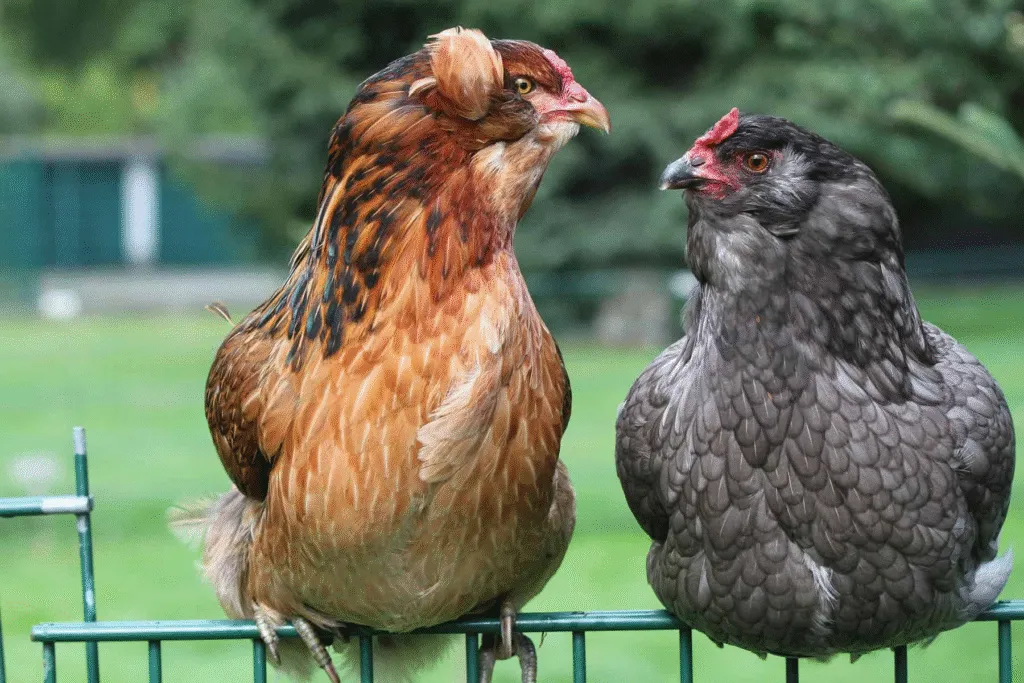
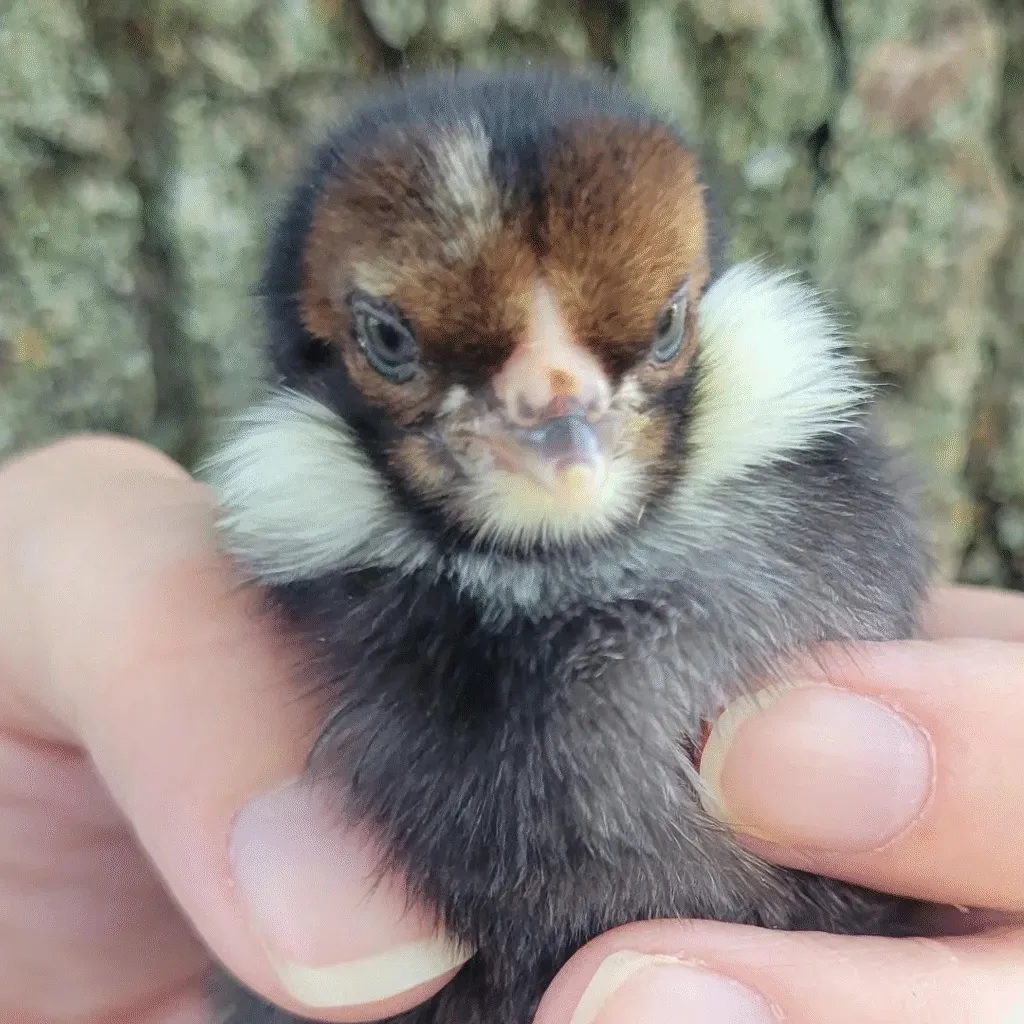
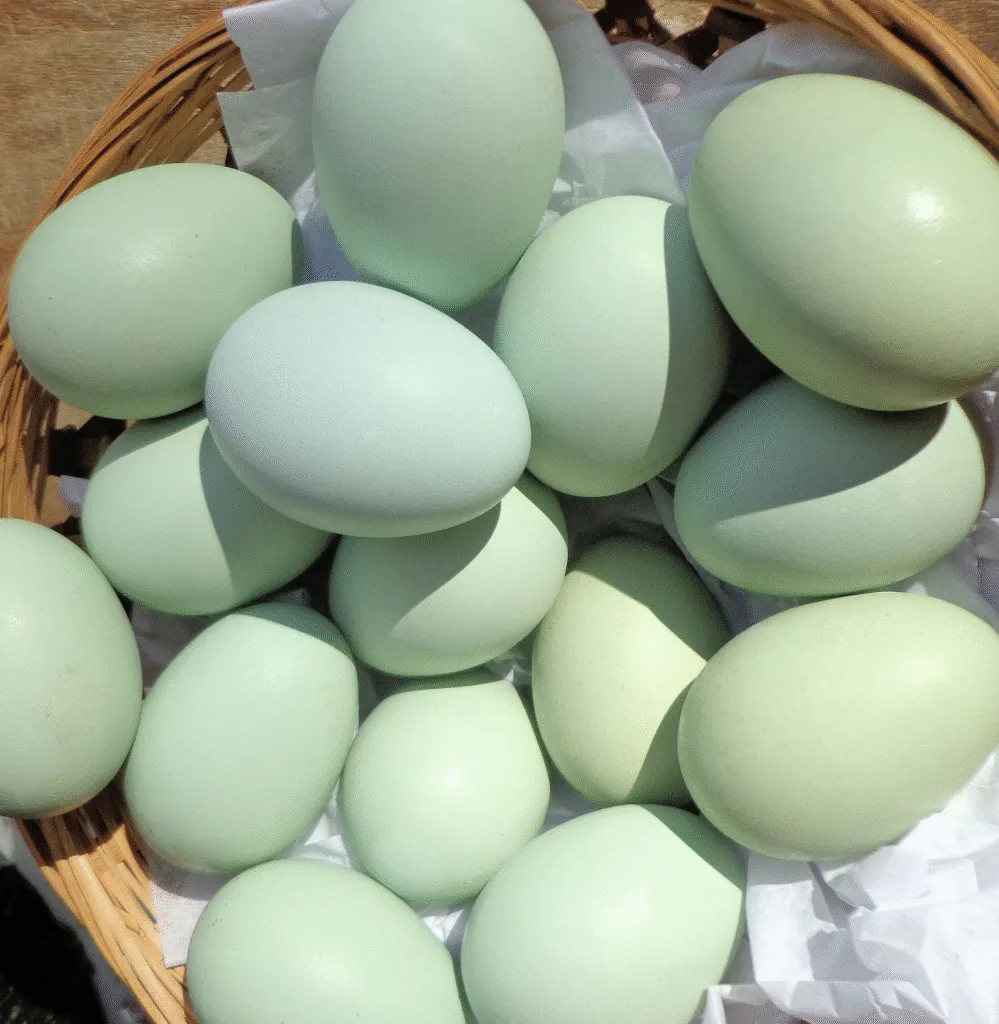
Araucana chickens are a distinct South American breed originating in Chile, known for laying eggs in shades of blue ranging from pale sky to deep robin’s egg. They feature three defining characteristics: ear tufts (feathers growing from cheek patches), rumplessness (no tail or tailbone), and pea combs. True araucanas carry no tail and should not be confused with Ameraucanas or Easter Eggers, which are separate breeds developed from araucana genetics.
Araucana Varieties We Offer
Blue Araucana Chickens
Description: Stunning slate-blue plumage that shimmers with a beetle-green sheen in sunlight. Blue araucanas carry the dilution gene that produces this coveted coloration while maintaining all breed-standard traits—tufts, rumplessness, and blue eggs.
Temperament: Calm, curious, and remarkably friendly. Blue araucanas rank among the most people-oriented of all rare breeds, making them ideal for families and small homesteads.
Purpose: Dual-purpose ornamental and egg production. Their show-stopping appearance wins at exhibitions while consistently producing 3–4 blue eggs weekly.
Care Requirements: Standard poultry care with attention to tuft maintenance—tufts should be kept clean and dry to prevent matting. Provide dust bathing areas.
Climate Adaptability: Exceptionally cold-hardy due to small pea comb; heat-tolerant with adequate shade and water. Thrives from Northern winters to Southern summers.
Buyer Suitability: Perfect for breeders, exhibition enthusiasts, and backyard keepers who want both beauty and production.
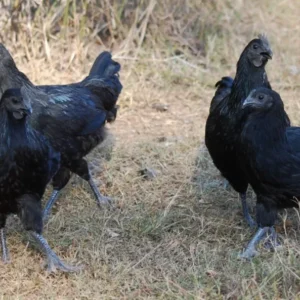
Black Araucana Chickens
Description: Jet-black plumage with iridescent green highlights covering the entire body. Black araucanas represent the original color variety and showcase the breed’s unique silhouette most dramatically against their dark feathers.
Temperament: Active foragers with independent streaks but readily tame with handling. Black araucanas integrate well into mixed flocks.
Purpose: Excellent foragers ideal for free-range operations; consistent blue egg production; striking exhibition birds.
Care Requirements: Standard feeding with supplemental protein during molt. Provide predator-safe free-range areas—they excel at foraging.
Climate Adaptability: Hardy across all U.S. climate zones. The black feathers absorb heat in winter while providing sun protection in summer.
Buyer Suitability: Ideal for free-range operations, breeders seeking robust genetics, and exhibitors wanting dramatic contrast birds.
Lavender Araucana Chickens
Description: The rarest and most sought-after color variety. Lavender araucanas display a soft, uniform silver-blue dilution that appears almost iridescent. This recessive color requires specific breeding pairs to produce.
Temperament: Exceptionally docile and handler-friendly. Lavender araucanas often become backyard favorites due to their gentle nature and stunning appearance.
Purpose: Premier exhibition birds; reliable egg producers; breeding stock for rare color genetics.
Care Requirements: Identical to other varieties but with greater genetic value—protect from predators and maintain detailed breeding records.
Climate Adaptability: Same hardiness as other araucanas; their light coloration reflects heat well in southern climates.
Buyer Suitability: Serious breeders, exhibition competitors, and collectors seeking the ultimate araucana variety.
Rumpless Araucana Chickens
Description: True breed-standard araucanas with absolutely no tail, no tailbone, and no uropygial gland. The back slopes gracefully to the ground, creating a distinctive streamlined appearance that sets them apart from all other breeds.
Temperament: Same friendly disposition as tufted varieties. Rumpless birds move differently but adapt completely to normal flock life.
Purpose: Exhibition quality essential for breed standard; excellent egg production; conversation-starting backyard birds.
Care Requirements: No special care needed beyond standard poultry husbandry. Without tail feathers, they require slightly different perching preferences—wider, flat perches are appreciated.
Climate Adaptability: Fully adaptable; the rumpless trait affects neither cold nor heat tolerance.
Buyer Suitability: Purists seeking true breed-standard birds, exhibitors, and collectors who appreciate rare genetic traits.
Tufted Araucana Chickens
Description: Birds displaying the breed’s signature ear tufts—feathers growing from small fleshy peduncles alongside the ears. Tufts can be small or large, symmetrical or asymmetrical, adding unique character to each bird.
Temperament: Personable and interactive; tufted araucanas often become the “face” of a flock due to their distinctive appearance drawing human attention.
Purpose: Ornamental excellence; reliable egg production; breeding programs focused on tuft expression.
Care Requirements: Tufts require occasional inspection for debris or parasites. Keep feeding areas clean to prevent tufts from collecting food particles.
Climate Adaptability: Identical to other varieties; tufts provide no climate advantage or disadvantage.
Buyer Suitability: Backyard enthusiasts wanting unique-looking birds, breeders working on tuft development, and families with children who love the “ear muff” appearance.
White Araucana Chickens
Description: Pure white plumage with clean, bright feathers covering the body. White araucanas show the breed’s conformation most clearly and provide stunning contrast to colored varieties.
Temperament: Active and alert but manageable; white araucanas bond well with handlers who spend regular time with them.
Purpose: Exhibition birds where color perfection matters; excellent egg production; breeding programs for color variation.
Care Requirements: Standard care with attention to keeping white feathers clean—provide dry, mud-free areas.
Climate Adaptability: White feathers reflect heat exceptionally well, making these birds particularly suited to southern states.
Buyer Suitability: Exhibitors, southern backyard keepers, and breeders maintaining color variety in their programs.
Araucana Ameraucana Comparison
Description: While often confused, araucana and ameraucana chickens are distinct breeds with separate standards. Araucanas are rumpless with tufts; Ameraucanas have tails, muffs, and beards. Both lay blue eggs, but true araucanas are significantly rarer.
Temperament: Both breeds share calm dispositions, though araucanas tend toward slightly more independence.
Purpose: Araucanas serve exhibition and ornamental purposes with their unique appearance; Ameraucanas offer similar egg color with more availability.
Care Requirements: Araucanas require tuft maintenance; Ameraucanas need beard and muff cleaning occasionally.
Climate Adaptability: Both breeds adapt similarly across U.S. climates.
Buyer Suitability: Collectors and purists prefer true araucanas; backyard keepers may find Ameraucanas more readily available, though our araucana stock offers the genuine article.
Why Choose OrderExoticPoultry.com
Health Guarantees
Every araucana chicken ships with our comprehensive 48-hour health guarantee. We personally inspect each bird before shipping and stand behind their condition upon arrival.
NPIP Compliance
Our breeding facilities maintain active National Poultry Improvement Plan certification, ensuring your birds come from pullorum-typhoid clean stock. We provide documentation with every shipment.
Ethical Breeding Standards
We limit breeding pairs to preserve genetic diversity and prevent overbreeding. Our araucanas receive spacious housing, natural lighting, and premium nutrition throughout their development.
Live Arrival Guarantee
We guarantee live delivery of all poultry shipments. In the unlikely event of transit issues, we offer immediate resolution—replacement or refund—with no hassle.
U.S. Shipping Expertise
With thousands of successful shipments across all 50 states, we understand the logistics of safe poultry transport. We coordinate with USPS, UPS, and specialized carriers to minimize transit time and maximize comfort.
Transparency & Trust Signals
-
Open farm visits by appointment
-
Verified customer reviews
-
Third-party health certifications
-
Detailed breeding records available
-
Membership in American Poultry Association
-
Active participation in rare breed conservation
6. Shipping & Delivery Across the U.S.
Safe Transport Methods
All araucana chickens ship in USDA-approved ventilated containers designed for live poultry transport. Chicks receive hydrated gel packs for moisture during transit; adult birds ship in divided compartments preventing injury.
What Customers Receive
-
Healthy, inspected araucana chickens matching your order
-
NPIP certification documentation
-
Feeding and care transition instructions
-
Breed information card
-
Contact information for post-arrival support
-
Discount code for future orders
Timeline Expectations
-
Chicks: Ship Monday–Wednesday via priority mail; arrive within 2–3 days
-
Pullets & adults: Scheduled shipments based on weather and destination; typically 1–3 day transit
-
Hatching eggs: Weekly shipments with tracking and insurance
Buyer Reassurance
We monitor weather conditions nationwide and delay shipments when temperatures threaten bird safety. Our shipping team contacts every buyer with tracking information and arrival preparation instructions.
7. Araucana Chicken Care Guide
Housing Requirements
Araucanas need standard coop space—4 square feet per bird inside, 10 square feet per bird in runs. Provide 8–12 inches of roosting bar per bird; rumpless varieties prefer wider, flat perches. Nest boxes: one per 4–5 hens, filled with clean bedding.
Feeding Protocol
-
Starter (0–8 weeks): 20–22% protein chick starter crumbles
-
Grower (8–20 weeks): 16–18% protein grower feed
-
Layer (20+ weeks): 16% protein layer feed with calcium supplementation
-
Supplemental: Oyster shell free-choice, fresh greens, black soldier fly larvae for protein
Predator Protection
Secure runs with ½-inch hardware cloth (not chicken wire). Bury fencing 12 inches deep with outward apron against digging predators. Automatic coop doors prevent night predation. Livestock guardian dogs or llamas provide additional protection for free-range operations.
Biosecurity Protocols
-
Quarantine new birds 30 days before introducing to existing flock
-
Dedicated footwear for coop areas
-
Regular health inspections for mites, lice, and respiratory symptoms
-
Clean waterers weekly with diluted bleach solution
-
Restrict visitor access to bird areas
Climate Management
-
Summer: Deep shade, frozen water treats, misters in extreme heat, ventilation at coop peak
-
Winter: Insulated but ventilated coops, heated waterers, deep litter method for warmth, petroleum jelly on combs in extreme cold
-
Transition seasons: Monitor for temperature swings; provide windbreaks
FAQ
Appearance & Identification
What do araucana chickens look like?
Araucana chickens are medium-sized birds with distinctive ear tufts, no tail (rumpless), and a pea comb. They come in multiple colors including blue, black, lavender, and white, and lay blue eggs. Their back slopes smoothly from shoulders to ground without tail feathers.
How can I tell the difference between ameraucana and araucana chickens?
Ameraucanas have tails, muffs, and beards; araucanas are rumpless (no tail) with ear tufts. Both lay blue eggs, but araucanas are rarer and display the tufted, tailless characteristics. Araucanas also lack the puffy cheek appearance of Ameraucanas.
What colors do araucana chickens come in?
Araucana chickens are recognized in black, blue, lavender, white, and splash varieties. Each color maintains the breed’s distinctive rumpless, tufted characteristics while displaying unique plumage coloration prized by breeders and exhibitors.
How do I identify a true araucana chicken?
True araucanas are rumpless (no tail feathers or tailbone), have ear tufts (not muffs), a pea comb, and lay blue eggs. If the bird has a tail or puffy cheek feathers, it’s not a true araucana but rather an Ameraucana or Easter Egger.
Egg Production
What color eggs do araucana chickens lay?
Araucana chickens lay eggs in shades of blue ranging from pale sky blue to deep robin’s egg blue. The blue color penetrates the entire shell, not just the surface. Each hen produces consistent shades throughout her laying lifetime.
How many eggs do araucana chickens lay per year?
Healthy araucana hens lay approximately 180–200 eggs annually, averaging 3–4 eggs weekly. Production varies by individual genetics, diet, and seasonal light exposure. They typically begin laying at 5–7 months of age.
When do araucana chickens start laying eggs?
Araucana pullets typically begin laying between 5–7 months of age, depending on season of hatch and nutrition. Spring-hatched chicks often start laying in late fall or early winter; fall-hatched birds may wait until the following spring.
Do araucana chickens lay eggs in winter?
Araucanas may slow or pause winter laying without supplemental lighting. With 14–16 hours of artificial light and consistent nutrition, many continue producing through cold months, though at reduced rates compared to spring and summer.
How long do araucana chickens lay eggs?
Araucana hens lay productively for 3–5 years, with peak production in years 1–2. Many continue laying sporadically for several additional years. Commercial layers are typically replaced at 2–3 years; backyard flocks enjoy longer productive lives.
Temperament & Behavior
Are araucana chickens friendly?
Yes, araucana chickens rank among the friendliest rare breeds. They’re curious, handleable, and often approach humans willingly. Regular interaction from chick stage produces exceptionally tame adults suitable for families with children.
Are araucana chickens good with children?
Araucanas’ calm temperament makes them excellent choices for children. Their manageable size, friendly disposition, and tolerance of gentle handling suit young poultry enthusiasts. Always supervise children with any poultry and teach proper handling techniques.
Do araucana chickens go broody?
Araucanas have moderate broodiness tendencies. Some lines retain strong maternal instincts and will set eggs reliably; others rarely go broody. If you want naturally hatched chicks, select from broody-proven breeding stock.
Can araucana chickens fly?
Araucanas are not strong fliers but can clear low fences (3–4 feet) if motivated. Their rumpless build slightly impairs flight compared to tailed breeds. Clip one wing if containment is critical, or provide 5–6 foot fencing.
Care & Management
How long do araucana chickens live?
With proper care, araucana chickens live 7–10 years on average. Exceptional individuals may reach 12+ years, though egg production declines after 3–5 years. Predator protection and quality nutrition maximize lifespan.
How to sex araucana chickens?
Sexing araucana chicks requires experience. By 8–12 weeks, males develop larger, redder combs and wattles, grow pointed hackle and saddle feathers, and begin crowing attempts. Females remain smaller with less comb development and rounded feathers.
What do araucana chickens eat?
Araucanas thrive on complete poultry feeds appropriate for their age: starter (0–8 weeks), grower (8–20 weeks), and layer (20+ weeks). Supplement with fresh greens, vegetables, and black soldier fly larvae. Always provide free-choice grit and oyster shell.
Are araucana chickens cold hardy?
Yes, araucanas are exceptionally cold hardy due to their small pea comb, which resists frostbite. Their rumpless build doesn’t affect cold tolerance. Provide draft-free but ventilated housing and unfrozen water for winter success.
What kind of coop do araucana chickens need?
Araucanas need standard coops with 4 square feet per bird inside, 10 square feet in runs. Provide roosting bars (wide, flat bars preferred for rumpless birds), nest boxes, and predator-proof construction with hardware cloth rather than chicken wire.
Purchasing & Breeding
Where can I buy true araucana chickens?
OrderExoticPoultry.com offers NPIP-certified true araucana chickens from select breeding lines. We ship nationwide with live arrival guarantees. Always verify sellers provide documentation of breed characteristics and health certifications.
How much do araucana chickens cost?
True araucana chickens command premium prices due to rarity. Day-old chicks: $15–30 each; started pullets: $40–75; breeding pairs: $150–300+ depending on quality, color, and lineage. Show-quality birds require significant investment.
Are araucana chickens rare?
Yes, true araucana chickens are genuinely rare, especially in rumpless, tufted form meeting breed standards. Many birds sold as “araucanas” are actually Ameraucanas or Easter Eggers. Verified breeders maintain small populations of authentic stock.
What is the difference between tufted and rumpless araucanas?
Tufted araucanas have feather tufts growing from cheek patches; rumpless araucanas lack tail feathers and tailbone. True araucanas should ideally possess both traits, though some birds may express one characteristic more strongly than the other.
Can I breed araucana chickens?
Yes, but breeding true araucanas requires understanding lethal gene factors. The tufted gene can cause chick mortality when both parents carry double copies. Responsible breeders pair tufted with non-tufted birds to maintain health while preserving traits.
History & Origins
Where do araucana chickens come from?
Araucana chickens originated in Chile, developed by the Mapuche people from local Collonca and Quetro breeds. They were first exported to the United States in the 1920s and standardized by the American Poultry Association in 1976.
Why do araucana chickens lay blue eggs?
The blue eggshell color comes from oocyanin, a bile pigment deposited throughout shell formation. This genetic trait originated in South American Mapuche chickens and is dominant—crossing araucanas with brown egg layers produces offspring laying green or olive eggs.
Are araucana chickens a heritage breed?
Yes, araucanas qualify as a heritage breed, meeting American Poultry Association standards with natural mating capability, long productive lifespan, and slow growth rate. They’re included in conservation programs maintaining genetic diversity.
9. Strong Conversion CTA
Ready to Add Rare Araucana Beauty to Your Flock?
Limited Availability: Our breeding stock produces limited numbers of true araucana chicks each season. Current inventory sells quickly to discerning breeders and collectors nationwide.
Secure Your Birds Today:
-
Browse available araucana varieties
-
Select your preferred color and age
-
Complete your secure online order
-
Receive confirmation and shipping schedule
Bulk Breeder Inquiries: Developing a breeding program? Contact us for wholesale pricing on breeding pairs, trios, and flocks. We support serious breeders with genetic guidance and ongoing consultation.
Early Reservations: Want specific colors or future availability? Reserve your place in our hatching schedule. Priority given to early depositors.
ORDER ARAUCANA CHICKENS NOW – NPIP Certified • Live Arrival Guaranteed • Nationwide Shipping
Questions? Call, email, or chat with our poultry specialists for personalized recommendations.
| Araucana Aults | Single Adult Araucana Hen, Single Adult Araucana Rooster, Pair of adults(Hen + Rooster) |
|---|
Be the first to review “Araucana Chickens for Sale”
Related products
Exotic Chicken Breeds
Exotic Chicken Breeds
Exotic Chicken Breeds
Exotic Chicken Breeds
Exotic Chicken Breeds
Exotic Chicken Breeds
Exotic Chicken Breeds
Exotic Chicken Breeds
Reviews
There are no reviews yet.