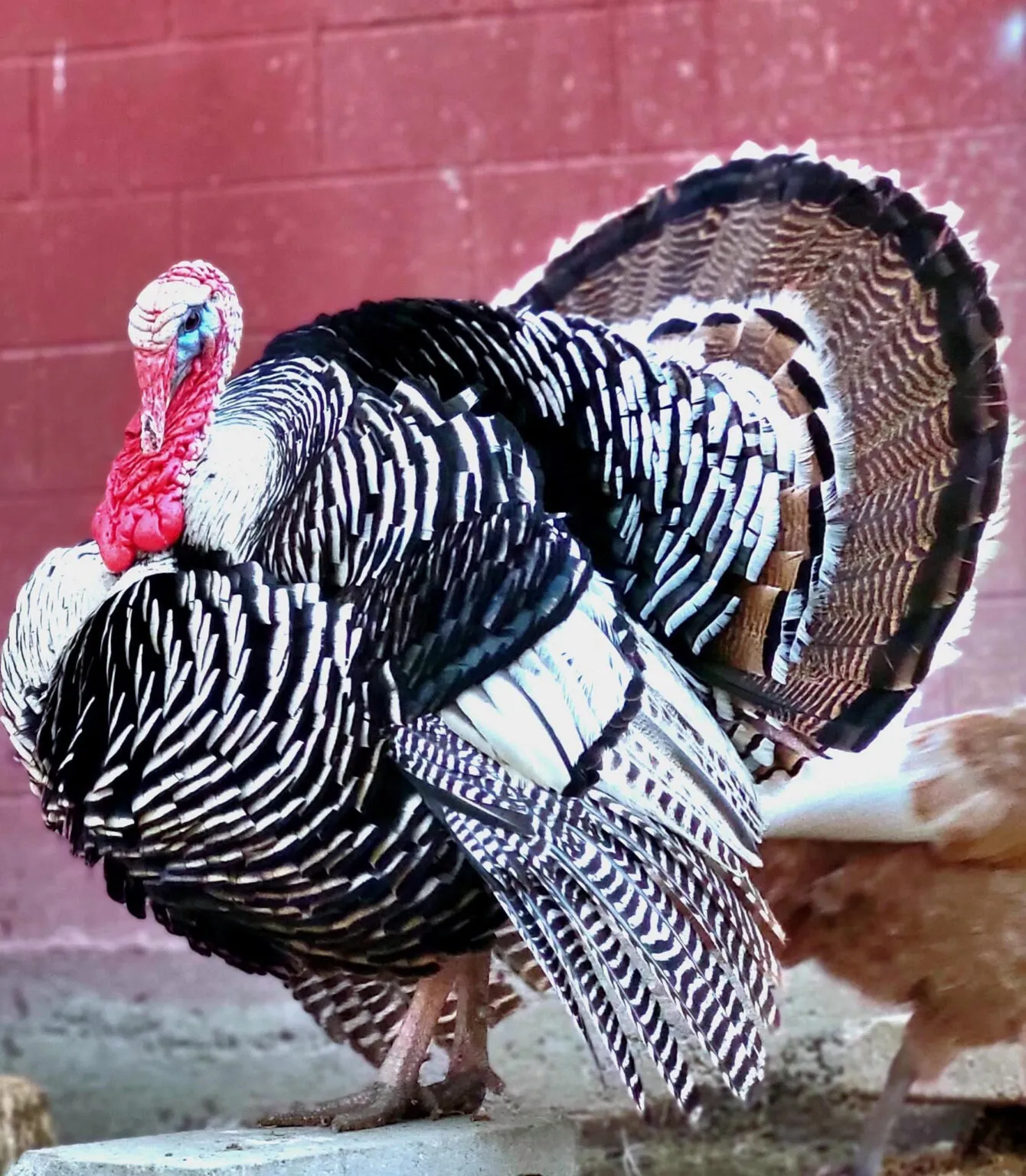
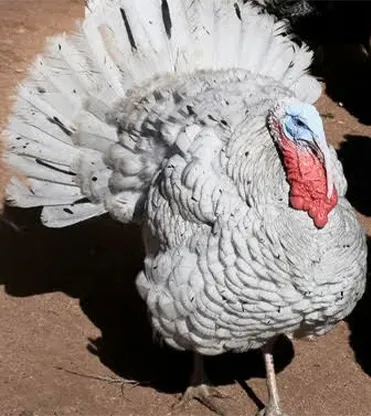
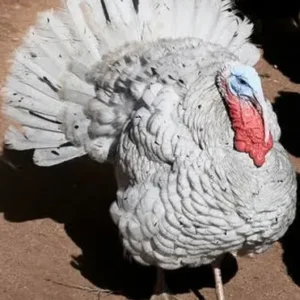
Turkeys for sale
Price range: $60.00 through $170.00
Our turkeys are pasture-raised, free-range, and fed a natural diet for unbeatable flavor. Perfect centerpiece for your holiday dinner! Raised with care from day-old poults, moved daily to fresh grass, and processed on-farm for true “farm to fork” quality
Turkeys for Sale: Acquiring Heritage & Domestic Turkeys for Your Farm or Homestead
Turkeys for sale represent a rewarding opportunity to add these magnificent, historic birds to your farm, homestead, or backyard. Whether you’re seeking heritage breeds for conservation and breeding, broad-breasted turkeys for meat production, or simply a flock of these charismatic birds as living lawn ornaments, choosing the right turkeys requires understanding the significant differences between varieties. At OrderExoticPoultry.com, we offer NPIP-certified, health-guaranteed turkeys in a wide range of breeds and ages—from day-old poults to started birds and breeding pairs. Read on to discover everything you need to know before purchasing turkeys, from breed selection to care requirements and pricing.
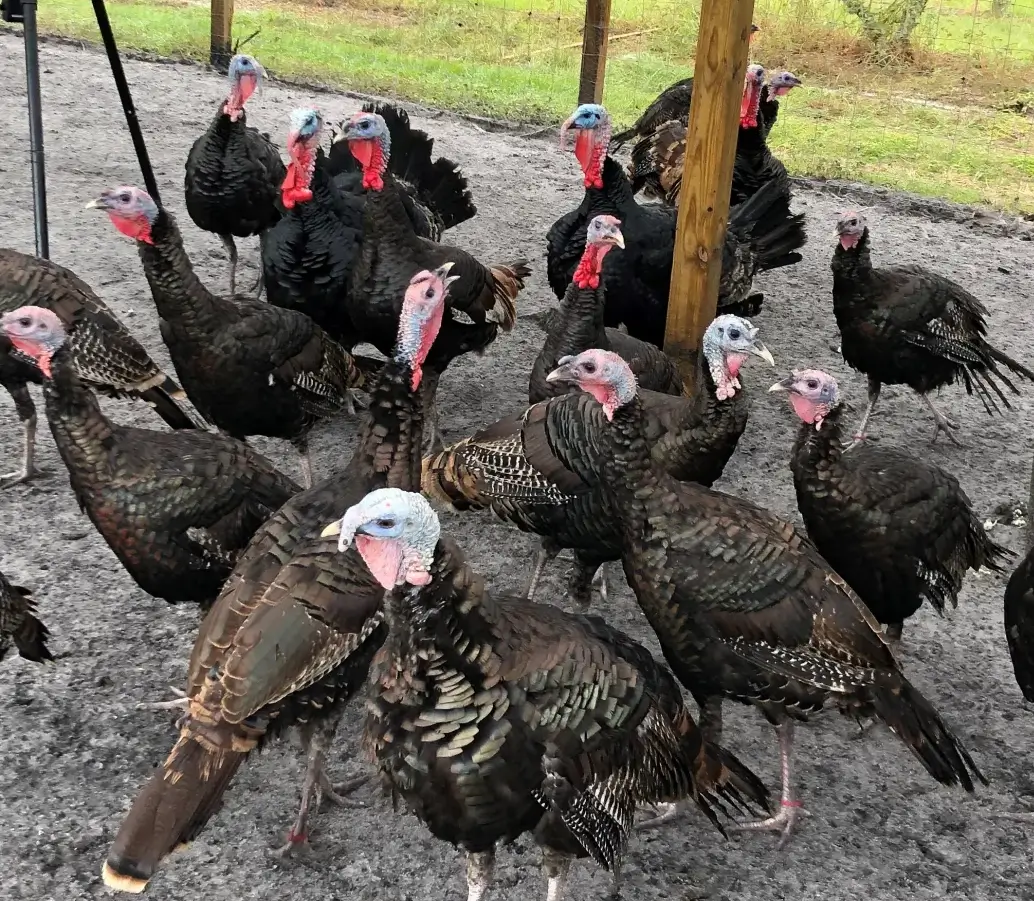
Important Note: Turkey vs. Turkey
Before we dive in, a critical distinction: The keyword “turkeys for sale” generates massive search volume—but much of it is for real estate in the country of Turkey and processed turkey meat. This guide focuses exclusively on LIVE TURKEYS—the birds—for farming, breeding, and homesteading. If you’re looking for homes in Istanbul or frozen turkey breasts, we can’t help with that. For live poultry, you’re in the right place!
What Are Turkeys?
Turkeys are large game birds native to North America, domesticated for thousands of years for their meat and eggs. Two species exist: the wild turkey (Meleagris gallopavo), ancestor of all domestic turkeys, and the ocellated turkey (Meleagris ocellata) of Central America. Domestic turkeys come in two main types: heritage breeds (which retain natural mating ability and slower growth) and broad-breasted (commercial) turkeys (bred for maximum meat production, which cannot mate naturally). Turkeys weigh 15–40+ pounds depending on breed, live 5–10 years, and are intelligent, social, and surprisingly vocal birds.
Turkey Breeds We Offer
Domesticated Turkeys vs. Heritage Turkeys: Key Differences
| Feature | Heritage Turkeys | Broad-Breasted (Commercial) Turkeys |
|---|---|---|
| Growth Rate | Slow (5–7 months to market) | Fast (4–5 months to market) |
| Mating | Natural mating | Artificial insemination required |
| Lifespan | 8–10 years | 2–5 years (if kept past market age) |
| Weight | 15–25 lbs (toms) | 30–40+ lbs (toms) |
| Foraging | Excellent foragers | Poor foragers |
| Conservation | Critical to preserve | Commercial only |
| Best For | Breeding, conservation, homesteads | Meat production only |
Bourbon Red Turkey
One of the most popular heritage breeds, Bourbon Red turkeys are named for their rich, reddish-chestnut plumage with white wing and tail feathers. They were developed in Kentucky in the late 19th century and are prized for their excellent flavor and foraging ability.
Size:
-
Toms (males): 23–26 pounds
-
Hens (females): 14–16 pounds
-
Poults: 2 ounces at hatch
Temperament: Active, curious, and good foragers. Bourbon Reds are known for their friendly disposition when handled regularly.
Purpose: Heritage meat production; breeding; conservation; exhibition.
Egg Production: 40–60 eggs per year (spring). Hens are good mothers and will set eggs.
Care Requirements: Need space to forage, predator-proof housing, and game bird feed. They are excellent free-rangers.
Climate Adaptability: Hardy in most climates with proper shelter.
Buyer Suitability: Homesteaders, heritage breed enthusiasts, conservation breeders.
Royal Palm Turkey
The Royal Palm turkey is a striking ornamental breed with white plumage and bold black bands on the feathers. They were developed for exhibition rather than meat production and are one of the most beautiful turkey breeds.
Size:
-
Toms: 16–22 pounds
-
Hens: 10–12 pounds
Temperament: Calm, friendly, and excellent foragers. Royal Palms are popular as pets and for exhibition.
Purpose: ornamental, exhibition, conservation, and light meat production.
Egg Production: 40–60 eggs per year. Hens are good mothers.
Care Requirements: Standard turkey care; they thrive on free range.
Climate Adaptability: Hardy with proper shelter.
Buyer Suitability: Exhibition breeders, ornamental collectors, and families wanting beautiful birds.
Narragansett Turkey
The Narragansett turkey is an American heritage breed developed in Rhode Island, characterized by its metallic black feathers with white tips, giving a “grizzled” appearance. They are excellent foragers and have a calm disposition.
Size:
-
Toms: 20–25 pounds
-
Hens: 12–15 pounds
Temperament: Docile, calm, and good with humans. Narragansetts are known for their friendly nature.
Purpose: Heritage meat production; breeding; conservation.
Egg Production: 40–60 eggs per year.
Care Requirements: Standard turkey care; excellent foragers.
Climate Adaptability: Hardy, originally from New England.
Buyer Suitability: Heritage breeders, homesteaders, conservationists.
Bronze Turkey
The Bronze turkey is one of the oldest American heritage breeds, named for its iridescent bronze sheen. Standard Bronze turkeys are the original type; Broad-Breasted Bronze turkeys were developed for commercial production but are now rare.
Size:
-
Toms: 25–30 pounds
-
Hens: 14–18 pounds
Temperament: active, curious, and good foragers.
Purpose: Heritage meat production; breeding; conservation.
Egg Production: 40–60 eggs per year.
Care Requirements: Standard turkey care.
Climate Adaptability: Hardy.
Buyer Suitability: Heritage enthusiasts, homesteaders.
Broad-Breasted White Turkey
The Broad-Breasted White turkey is the modern commercial turkey, developed for maximum meat production. They have white feathers (which don’t show pin feathers as much) and an extremely broad breast. These turkeys CANNOT mate naturally and require artificial insemination for breeding.
Size:
-
Toms: 35–40+ pounds
-
Hens: 20–25 pounds
Temperament: Calm but less active than heritage breeds; they are bred for meat, not foraging.
Purpose: Commercial meat production only.
Egg Production: 40–60 eggs per year, but eggs are not typically fertile without AI.
Care Requirements: Need high-protein feed, less space than heritage breeds (they don’t forage well), and special breeding management if breeding.
Climate Adaptability: Hardy but needs protection from extreme conditions.
Buyer Suitability: Those focused solely on meat production and commercial operations.
Broad-Breasted Bronze Turkey
Description: Similar to Broad-Breasted Whites but with bronze plumage. These are the commercial version of the heritage bronze, also requiring artificial insemination.
Size: Similar to Broad-Breasted Whites.
Temperament: Calm, meat-focused.
Purpose: Commercial meat production.
Care Requirements: Same as Broad-Breasted Whites.
Buyer Suitability: Commercial meat producers wanting bronze color.
White Holland Turkey
The White Holland turkey is an ancient white-feathered heritage breed, developed in Europe from Mexican turkeys brought by early explorers. They are smaller than modern commercial whites and excellent foragers.
Size:
-
Toms: 20–25 pounds
-
Hens: 12–15 pounds
Temperament: Active, friendly, and good foragers.
Purpose: Heritage conservation; meat production; exhibition.
Egg Production: 40–60 eggs per year.
Care Requirements: Standard turkey care.
Climate Adaptability: Hardy.
Buyer Suitability: Heritage enthusiasts, those wanting white birds that can breed naturally.
Beltsville Small White Turkey
The Beltsville Small White turkey was developed by the USDA in the 1930s–40s as a smaller, meaty bird for family meals. They are a heritage breed now critically rare, known for their excellent flavor and manageable size.
Size:
-
Toms: 15–20 pounds
-
Hens: 8–12 pounds
Temperament: Docile, friendly.
Purpose: Heritage conservation; small-scale meat production.
Egg Production: 40–60 eggs per year.
Care Requirements: Standard turkey care.
Climate Adaptability: Hardy.
Buyer Suitability: Conservation breeders, homesteaders wanting smaller turkeys.
Black Spanish Turkey
The Black Spanish turkey (also called the Black or Norfolk Black) is one of the oldest turkey breeds, developed in Europe from early Mexican imports. They have solid black plumage with a greenish sheen.
Size:
-
Toms: 20–25 pounds
-
Hens: 12–15 pounds
Temperament: Active and good foragers.
Purpose: Heritage conservation; meat production.
Egg Production: 40–60 eggs per year.
Care Requirements: Standard turkey care.
Climate Adaptability: Hardy.
Buyer Suitability: Heritage enthusiasts.
Midget White Turkey
The Midget White turkey was developed as a smaller alternative to the Broad-Breasted White but never gained commercial popularity. They are now a rare heritage breed, perfect for small homesteads.
Size:
-
Toms: 13–18 pounds
-
Hens: 8–12 pounds
Temperament: friendly, active, and good foragers.
Purpose: Small-scale meat production; conservation; pets.
Egg Production: 40–60 eggs per year.
Care Requirements: Standard turkey care; their smaller size makes them easier to manage.
Climate Adaptability: Hardy.
Buyer Suitability: Homesteaders with limited space; families.
Ocellated Turkey
The ocellated turkey is a separate species native to the Yucatan Peninsula in Mexico. They are smaller than domestic turkeys and spectacularly beautiful, with iridescent bronze-green plumage and eye-like spots (ocelli) on their tail feathers. They are not domesticated and require specialized care.
Size:
-
Toms: 8–10 pounds
-
Hens: 5–7 pounds
Temperament: Wary, less domesticated; needs experienced keepers.
Purpose: Conservation; advanced collectors; zoological institutions.
Egg Production: 30–40 eggs per year.
Care Requirements: Need warm, humid environments (tropical origin); specialized diets; and experienced handlers.
Climate Adaptability: Not cold-hardy; needs heated shelter in most of the US.
Buyer Suitability: Advanced aviculturists only.
Turkey Poults (Day-Old to Started)
Turkey poults are baby turkeys, available as day-old chicks or started birds (2–8 weeks old). Poults are more delicate than chicks and require careful brooding.
Advantages of Poults: Lower cost; bond with keeper; raise them your way.
Disadvantages: Higher mortality risk, need brooder care, and sex unknown at hatch.
Started Poults (6–8 weeks): Past the fragile stage; easier for beginners; sex often determinable.
Turkey Hatching Eggs
Description: Fertile turkey eggs for incubation. Allow you to hatch your own turkeys without shipping live birds.
Considerations: Need incubator and brooder; 28-day incubation period; hatch rate varies.
Buyer Suitability: Experienced incubator users.
Turkey Pricing Guide (2026)
| Breed | Poults (day-old) | Started (6–8 weeks) | Adults (pair) | Hatching Eggs (dozen) |
|---|---|---|---|---|
| Bourbon Red | $8–15 | $25–40 | $150–300 | $40–80 |
| Royal Palm | $10–18 | $30–50 | $180–350 | $50–90 |
| Narragansett | $8–15 | $25–40 | $150–300 | $40–80 |
| Bronze (Heritage) | $8–15 | $25–40 | $150–300 | $40–80 |
| Broad-Breasted White | $5–10 | $15–30 | $100–200 (non-breeding) | $30–60 |
| Broad-Breasted Bronze | $5–10 | $15–30 | $100–200 (non-breeding) | $30–60 |
| White Holland | $10–18 | $30–50 | $180–350 | $50–90 |
| Beltsville Small White | $15–25 | $40–70 | $250–500 | $60–120 |
| Black Spanish | $10–18 | $30–50 | $180–350 | $50–90 |
| Midget White | $12–20 | $35–60 | $200–400 | $50–100 |
| Ocellated Turkey | Contact | Contact | Contact | Contact |
Factors Affecting Price:
-
Breed: Rare heritage breeds cost more
-
Age: Adults cost more than poults
-
Sex: Females often cost more for breeding
-
Breeding potential: Proven breeders cost more
-
NPIP certification: Included in price
Turkey vs. Turkey Poults vs. Turkey Eggs: What to Buy
| Option | Pros | Cons | Best For |
|---|---|---|---|
| Hatching Eggs | Lowest cost; shipping easiest; hatching experience | Need incubator; hatch rate variable; poults need a brooder. | Experienced hatchers |
| Day-old Poults | Bond with keeper; lower cost; learn behavior | Need brooder care; sex unknown; higher mortality | Those with brooding experience |
| Started Poults (6–8 weeks) | Past fragile stage, sex often determinable, easier care | Higher cost; less bonding | Beginners |
| Adults | Immediate breeding; known sex; established | Highest cost; may need acclimation | Breeders: immediate results |
| Breeding Pairs | Immediate breeding; proven compatibility | Highest cost | Serious breeders |
Turkey Care Guide
Housing Requirements
Space Needs:
-
Heritage breeds: 10–15 square feet per bird inside, 50–100 square feet per bird in runs. They need space to forage.
-
Broad-breasted breeds: 5–10 square feet per bird inside; they are less active.
-
For a pair of heritage turkeys: Minimum 10×10 ft coop, large fenced run.
Coop Specifications:
-
Roosting bars: Sturdy 2×4 inch boards, 2–3 feet high. Turkeys prefer to roost high.
-
Nest boxes: 18×18×18 inches for hens; one per 4–5 hens.
-
Ventilation: Critical—turkeys generate significant moisture and ammonia.
-
Bedding: Pine shavings, straw, or hemp. Clean regularly.
Run Requirements:
-
Fencing: 5–6 foot minimum; turkeys can fly (heritage breeds especially). Consider covered runs or clipped wings.
-
Predator protection: Hardware cloth (not chicken wire), buried apron, secure latches. Turkeys are vulnerable to predators.
-
Shade: Essential in summer.
-
Foraging area: Heritage breeds thrive with space to roam.
Feeding
Age-Appropriate Nutrition:
| Age | Feed Type | Protein % | Notes |
|---|---|---|---|
| 0–8 weeks | Turkey starter | 28–30% | Medicated optional |
| 8–20 weeks | Turkey grower | 24–26% | For growing birds |
| 20+ weeks | Turkey maintenance | 16–18% | For adult non-layers |
| Breeding season | Turkey breeder | 20–22% | For laying hens |
| All ages | Grit | Free-choice | For digestion |
| Layers only | Oyster shell | Free-choice | For strong shells |
Important: Turkeys need higher protein than chickens, especially as poults.
Supplemental Foods:
-
Greens: Chopped lettuce, kale, spinach, forage
-
Vegetables: Pumpkin, squash, carrots
-
Fruit: Limited amounts
-
Grains: Scratch grains in moderation
Water:
-
Fresh, clean water daily
-
Heated waterers in freezing weather
-
Large, sturdy containers (turkeys can tip small ones)
-
Poults need shallow waterers to prevent drowning
Health Management
Common Issues:
-
Blackhead disease: A serious parasitic disease transmitted by chickens. Never raise turkeys with chickens if possible. If co-mingling, strict biosecurity is essential.
-
Coccidiosis: Common in poults—use medicated starter or clean conditions.
-
Respiratory infections: Ensure good ventilation.
-
External parasites: Mites, lice—provide dust baths with diatomaceous earth.
-
Internal parasites: Worms—regular deworming program.
-
Leg problems: In fast-growing broad-breasted breeds—monitor weight and provide soft bedding.
-
Crop issues: Ensure grit is available.
Preventive Care:
-
Clean housing regularly
-
Fresh water daily
-
Quarantine new birds 30 days
-
Fecal exams annually
-
NPIP certification ensures pullorum-typhoid clean stock
Signs of Healthy Turkeys:
-
Bright, alert eyes
-
Clean, glossy feathers
-
Active foraging (heritage breeds)
-
Good appetite
-
Clear nostrils
-
Strong legs and feet
Breeding Management
Breeding Season: Spring through early summer.
Pairing:
-
Heritage breeds: 1 tom per 8–10 hens (naturally).
-
Broad-Breasted: Require artificial insemination; we sell these as market birds only, not for breeding.
Nesting:
-
Provide secluded nesting areas with clean bedding.
-
Hens lay 8–14 eggs per clutch, then may go broody.
Incubation:
-
Period: 28 days
-
Temperature: 99.5°F (forced air)
-
Humidity: 45–55% days 1–25, 65–70% days 26–28
-
Turn eggs: 3–5 times daily
-
Lockdown: Last 3 days, increase humidity, stop turning
Brooding Poults:
-
Temperature: 95°F first week, decrease 5°F weekly
-
Heat source: Heat lamp or brooder plate
-
Bedding: Paper towels first week, then pine shavings
-
Feed: Turkey starter (28–30% protein)
-
Water: Shallow waterers with marbles to prevent drowning
-
Space: Increase as they grow
-
Light: 24 hours light first week, then reduce
Seasonal Management
Spring:
-
Breeding season begins
-
Increase protein
-
Prepare for poults
-
Deep clean coops
Summer:
-
Provide shade and ventilation
-
Frozen treats, multiple water stations
-
Watch for heat stress (panting, wings spread)
-
Heritage breeds need shade while foraging
Fall:
-
Annual molt (feather loss and regrowth)
-
Increase protein during molt
-
Prepare coops for winter
-
Process market birds
Winter:
-
Heated waterers essential
-
Deep litter method for warmth
-
Ensure good ventilation (moisture is enemy)
-
Protect from drafts but provide airflow
-
Heritage breeds tolerate cold well with shelter
Turkey vs. Chickens: Key Differences
| Aspect | Turkeys | Chickens |
|---|---|---|
| Space Needs | Much more space | Less space |
| Feed | Higher protein (28% starter) | Lower protein (20% starter) |
| Lifespan | 8–10 years | 5–8 years |
| Noise | Very vocal gobble. | Cluck, crow |
| Foraging | Excellent (heritage) | Good |
| Predator Risk | Higher (larger, visible) | Moderate |
| Disease Risk | Blackhead (from chickens) | Various |
| Mating | Natural or AI | Natural |
| Egg Production | Seasonal (40–60/year) | Year-round (200+/year) |
Why Choose OrderExoticPoultry.com
Health Guarantees
Every turkey ships with our comprehensive 48-hour health guarantee. We personally inspect each bird before shipping and stand behind their condition upon arrival.
NPIP Compliance
Our breeding facilities maintain active National Poultry Improvement Plan certification (NPIP #XX-XXXX), ensuring your birds come from pullorum-typhoid-clean stock. We provide official documentation with every shipment—essential for interstate transport.
Heritage & Broad-Breasted Options
We offer both heritage breeds (for conservation and breeding) and broad-breasted turkeys (for meat production). We’re clear about which is which—no confusion.
Ethical Breeding Standards
We maintain separate breeding programs for each heritage breed, preserving genetic diversity and preventing inbreeding. Our broad-breasted stock comes from reputable commercial lines.
Live Arrival Guarantee
We guarantee live delivery of all poultry shipments to all 50 states. We use specialized packaging and priority/express services for all turkey shipments.
U.S. Shipping Expertise
With thousands of successful shipments across all climates, we understand the logistics of safe turkey transport. We monitor weather patterns nationwide and delay shipments when conditions threaten bird safety.
Transparency & Trust Signals
-
Open farm visits by appointment
-
Verified customer reviews from Turkish buyers
-
Third-party health certifications available
-
Detailed breeding records and lineage documentation
-
Member of the Society for the Preservation of Poultry Antiquities (SPPA)
-
Active participant in heritage breed conservation
Shipping & Delivery Across the U.S.
Safe Transport Methods for Turkeys
All turkey shipments receive species-appropriate handling:
-
Hatching eggs: Cushioned packaging, temperature-controlled, tracking
-
Day-old poults: Specialized ventilated containers with hydrated gel packs; heat packs in cold weather
-
Started birds (6–8 weeks): Individual compartments preventing injury; temperature-controlled packaging
-
Adults: Custom shipping arrangements with express delivery
What Customers Receive
-
Healthy, inspected turkeys matching your exact order
-
NPIP certification documentation with flock ID
-
Detailed lineage documentation where available
-
Species-specific care guide
-
Contact information for post-arrival support
-
Discount code for future orders
-
Access to private turkey-keeping community
Timeline Expectations
-
Hatching eggs: Weekly shipments with tracking
-
Day-old poults: Ship Monday–Wednesday via priority express; arrive within 1–2 days
-
Started birds: Scheduled shipments based on weather; 1–2 day express transit
-
Adults and breeding pairs: Custom shipping; 1-day express delivery with arrival coordination
Buyer Reassurance
We maintain species-specific temperature guidelines and delay shipments when conditions threaten safety. Our shipping team contacts every buyer with tracking and detailed arrival instructions.
FAQ Section: Turkeys for Sale
General Questions
Q: How much do turkeys cost?
A: Turkey prices vary by breed and age. Heritage poults: $8–25 each. Broad-breasted poults: $5–10 each. Started birds: $15–70. Adults: $100–500+ per pair. See pricing guide above.
Q: How long do turkeys live?
A: Heritage turkeys live 8–10 years with proper care. Broad-breasted turkeys (if kept past market age) may only live 2–5 years due to health issues from rapid growth.
Q: What do turkeys eat?
A: Feed turkey-specific feed: starter (0–8 weeks, 28–30% protein), grower (8–20 weeks, 24–26%), and maintenance (20+ weeks, 16–18%). Supplement with greens, vegetables, and grit. They forage well on pasture.
Q: How much space do turkeys need?
A: Heritage turkeys need 10–15 sq ft inside and room to roam outside (50–100 sq ft per bird minimum). Broad-breasted turkeys need less space (5–10 sq ft inside) but still benefit from outdoor access.
Q: Do turkeys need a coop?
A: Yes, turkeys need secure night shelter to protect from predators. Provide sturdy roosts, clean bedding, and predator-proof construction.
Q: Are turkeys easy to raise?
A: Turkeys are more challenging than chickens. Poults are delicate, requiring careful brooding. Adults need more space and specific care. Heritage breeds are hardier than broad-breasted.
Q: Can turkeys live with chickens?
A: Not recommended. Turkeys are susceptible to blackhead disease, which chickens can carry without symptoms. If you must co-mingle, practice strict biosecurity and monitor closely.
Q: What is the difference between heritage and broad-breasted turkeys?
A: Heritage turkeys grow slowly, mate naturally, live longer, and are excellent foragers. Broad-breasted turkeys grow very fast (for meat), cannot mate naturally (require AI), and are bred solely for meat production.
Q: How many eggs do turkeys lay?
A: Turkey hens lay 40–60 eggs per year, typically in spring. They are seasonal layers, not year-round like chickens.
Q: How long do turkey eggs take to hatch?
A: Turkey eggs incubate for 28 days. Incubate at 99.5°F with proper humidity control.
Q: Are turkeys noisy?
A: Yes, turkeys are very vocal. Toms gobble loudly, especially during breeding season. Hens make various calls. They are not quiet birds.
Q: Do turkeys need a rooster to lay eggs?
A: No, hens lay eggs without a tom. A tom is only needed for fertilized eggs.
Q: What is NPIP certification?
A: NPIP (National Poultry Improvement Plan) certification ensures birds are tested for pullorum-typhoid and come from clean stock. Essential for interstate transport and reputable breeding.
Q: Where can I buy live turkeys?
A: OrderExoticPoultry.com offers NPIP-certified turkeys in heritage and broad-breasted varieties. We ship nationwide with live arrival guarantees.
Q: Do you ship turkeys?
A: Yes, we ship turkey poults and hatching eggs nationwide. Adult birds may require custom arrangements.
Add Majestic Turkeys to Your Farm or Homestead
Wide Breed Selection: We offer the most comprehensive selection of turkey breeds—from heritage favorites to commercial broad-breasted ones.
Current Availability:
| Breed | Poults | Started | Adults | Hatching Eggs | Notes |
|---|---|---|---|---|---|
| Bourbon Red | ✓ Available | Limited | Contact | ✓ Available | Popular heritage breed |
| Royal Palm | Limited | Contact | Contact | ✓ Available | Stunning ornamental |
| Narragansett | ✓ Available | Limited | Contact | ✓ Available | Calm heritage breed |
| Bronze (Heritage) | ✓ Available | Limited | Contact | ✓ Available | Classic bronze |
| Broad-Breasted White | ✓ Available | ✓ Available | Limited | Contact | Commercial meat bird |
| Broad-Breasted Bronze | ✓ Available | ✓ Available | Limited | Contact | Commercial meat bird |
| White Holland | Limited | Contact | Contact | Limited | Rare heritage |
| Beltsville Small White | Rare | Contact | Contact | Rare | Critically rare |
| Black Spanish | Limited | Contact | Contact | Limited | Ancient breed |
| Midget White | Limited | Contact | Contact | Limited | Small homestead breed |
| Ocellated Turkey | Contact | Contact | Contact | Contact | Advanced only |
Secure Your Turkeys Today:
-
Browse available breeds and select your birds
-
Choose age/type (poulets, started, adults, eggs)
-
Place your deposit to secure your place in our hatching/shipping schedule
-
Receive confirmation and estimated shipment date
-
Prepare your setup for your new turkeys
Breeder Programs:
Developing a turkey breeding program? We offer:
-
Wholesale pricing on breeding pairs and trios
-
Heritage breed conservation guidance
-
Lineage documentation and breeding records
-
Ongoing breeder support
Early Reservations Recommended
Heritage breeds and rare varieties are produced in limited numbers each season. Contact us to reserve your birds today.
ORDER TURKEYS FOR SALE NOW
NPIP Certified • Live Arrival Guarantee • Heritage & Broad-Breasted • Nationwide Shipping
Why Choose Us for Your Turkeys?
-
All major breeds—heritage and commercial
-
Clear distinction between heritage and broad-breasted
-
Poults, started birds, adults, and hatching eggs available
-
Health-guaranteed, NPIP-certified birds
-
Expert shipping with live arrival guarantee
-
Ongoing support from turkey specialists
Questions? Our turkey specialists are standing by to help you select the perfect birds for your homestead, farm, or conservation program. Call, email, or chat for personalized recommendations.
| Quantity | Male, Female, Pair (Male/female), Trio(Two female/One Male) |
|---|---|
| Color | Black, White |
Be the first to review “Turkeys for sale”
Related products
Exotic Chicken Breeds
Exotic Chicken Breeds
Exotic Chicken Breeds
Exotic Chicken Breeds
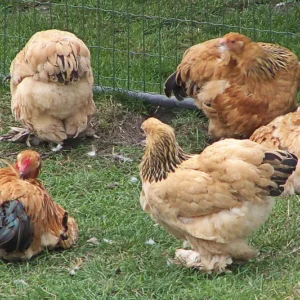
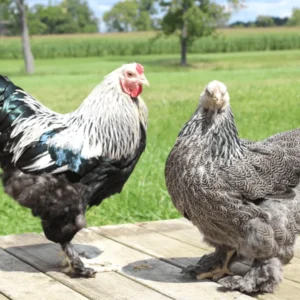
Exotic Chicken Breeds
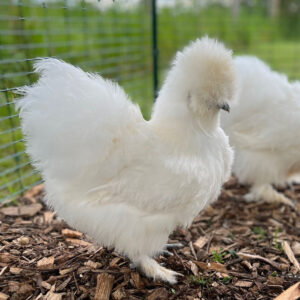
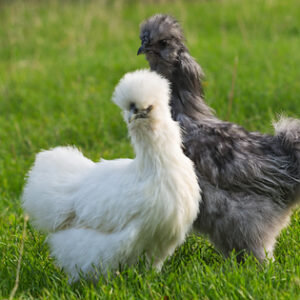
Exotic Chicken Breeds
Exotic Chicken Breeds
Exotic Chicken Breeds
Reviews
There are no reviews yet.